

Gardeners who love deep red blooms and a strong, classic fragrance often choose Mr. Lincoln roses as a signature plant in their landscape. Known for their tall stems, velvety petals, and exceptional scent, these hybrid tea roses perform beautifully in Eastern North Carolina—especially when planted correctly and cared for throughout our long growing season.
This guide explains how to plant, prune, water, fertilize, and maintain Mr. Lincoln roses so they thrive in our heat, humidity, and clay-influenced soils.
What makes Mr. Lincoln roses special?
Mr. Lincoln is one of the most iconic hybrid tea roses ever developed. It is recognized for its rich crimson blooms that can reach five inches across, its tall, upright habit, and its intensely fragrant aroma.
Key characteristics
- Mature height: 4–6 feet
- Growth habit: Upright, single-stemmed hybrid tea
- Bloom type: Large, high-centered crimson flowers
- Bloom frequency: Repeat bloomer
- Fragrance: Strong, classic rose scent
- Sun needs: Full sun for at least six hours
- USDA zone range: 5–9 (ideal for Eastern NC)
Because of its deep color and strong structure, it makes an excellent focal point near walkways, porches, garden beds, or cut-flower gardens.
Best planting locations for Mr. Lincoln roses
Roses love warm soil, good airflow, and bright sun. Choosing the right place ensures healthier foliage and better bloom production.
Ideal placement
- A location with six to eight hours of direct sun
- Well-draining soil that stays evenly moist
- Spaces with light airflow to reduce fungal pressure
- Beds amended with compost or organic matter
Avoid low spots where water collects or areas pressed tightly against a house wall, where heat can intensify and stress the plant.
How to plant Mr. Lincoln roses
Proper planting is the foundation for long-term success.
Step 1: Prepare the soil
Dig a hole twice as wide as the root ball and enrich the native soil with compost. Roses thrive in soil that drains well but holds enough moisture to support steady growth.
Step 2: Set the rose at the correct depth
Place the plant so the graft union (the swollen bump on the stem) sits about one inch above soil level in warmer climates like ours. This prevents rot and improves airflow.
Step 3: Backfill gently
Use native soil to backfill the hole and lightly firm it around the roots to remove air pockets.
Step 4: Water deeply
Give the plant a slow, thorough soak to settle the soil and hydrate the root system.
Step 5: Mulch to retain moisture
Apply two to three inches of mulch, keeping it pulled back several inches from the base of the stem.
Watering requirements for Mr. Lincoln roses
Roses prefer deep, consistent watering rather than frequent light sprinkles.
General watering guidance
- Water deeply one to two times per week during normal weather
- Increase watering during heatwaves or extended dry periods
- Water at the base of the plant, not overhead, to reduce fungal spread
In Eastern NC’s humid climate, overhead watering can quickly lead to issues like black spot or powdery mildew.
Fertilizing Mr. Lincoln roses
Hybrid tea roses are heavy feeders and thrive when nutrients are replenished through the growing season.
Feeding schedule
- Apply a balanced rose fertilizer in early spring when new growth appears
- Feed again every four to six weeks through mid-summer
- Stop fertilizing after mid-August to prevent tender growth before winter
Organic options such as compost, alfalfa meal, or fish emulsion also help enrich the soil and support steady bloom production.
Pruning Mr. Lincoln roses
Pruning improves airflow, encourages upright growth, and stimulates repeated blooming.
How to prune successfully
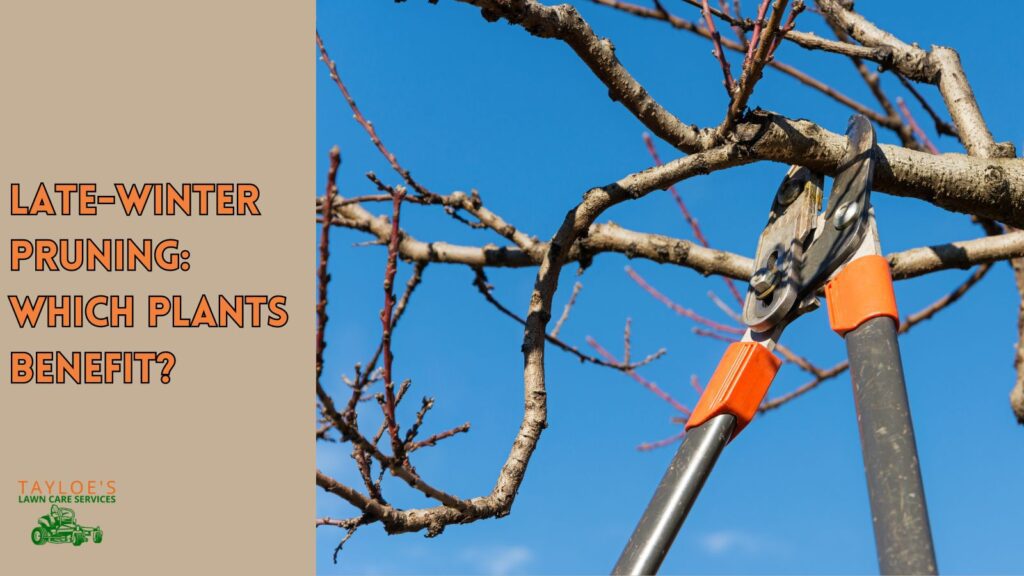
- Prune in late winter or early spring before new buds break
- Remove dead, diseased, or crossing canes
- Open the center of the plant for better airflow
- Cut remaining canes back to one-third of their height
- Make clean cuts at a 45-degree angle above outward-facing buds
During the growing season, deadhead spent blooms to encourage continual flowering.
Common problems and how to prevent them
Like all hybrid tea roses, Mr. Lincoln roses benefit from proactive care.
Black spot
Common in humid climates. Improve airflow, remove affected leaves, and apply preventive fungicides if needed.
Powdery mildew
Occurs during warm days and cool nights. Water at soil level and avoid wetting foliage.
Japanese beetles
Handpick beetles early in the morning or use traps placed far from the rose bed.
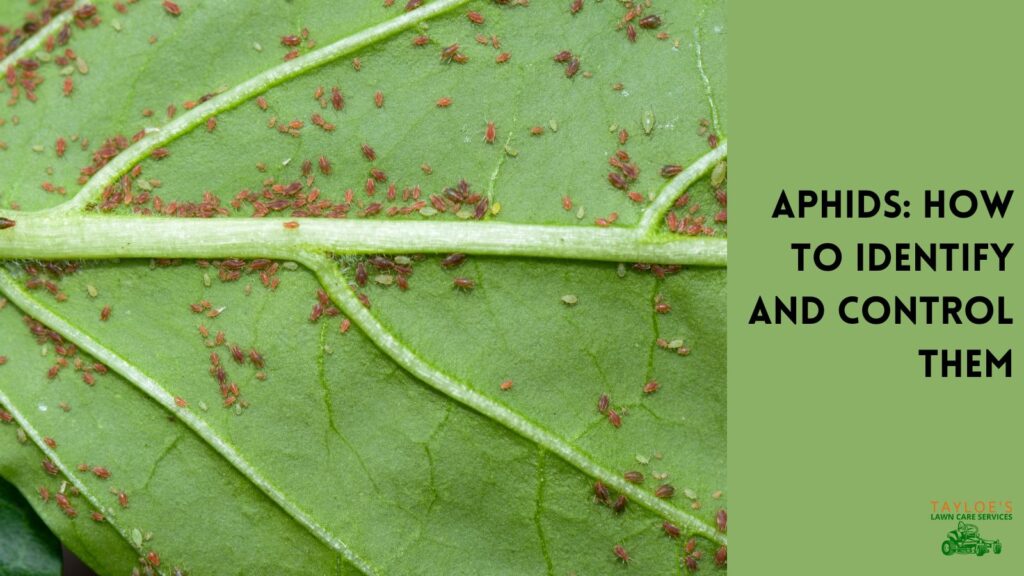
Aphids
A quick blast of water or insecticidal soap usually resolves the issue.
Healthy roses experience fewer pests, so consistent feeding, watering, and pruning go a long way toward prevention.
How to encourage more blooms
To maximize bloom production:
- Deadhead flowers as soon as they fade
- Keep plants evenly watered
- Ensure they receive the full amount of sunlight
- Feed consistently through summer
- Maintain good air circulation
Mr. Lincoln roses reward attentive care with strong, repeated flowering throughout the season.
Overwintering Mr. Lincoln roses in Eastern NC
Our mild winters make rose care simple. A light layer of mulch is usually enough to protect the roots. In unusually cold snaps, adding extra mulch or covering the base temporarily may help prevent damage.

The Takeaway: Mr. Lincoln roses thrive with the right planting and care
Mr. Lincoln roses offer breathtaking color, strong fragrance, and elegant form when planted in the right location and maintained with consistent watering, feeding, and pruning. With proper care, homeowners in Eastern North Carolina can enjoy months of rich crimson blooms and a garden focal point that never goes out of style.
Related Reading:
Author Profile

- Deborah Tayloe is the CEO and co-founder of Tayloe's Lawn Care Services, LLC. She has a B.S.Ed and holds certificates in soil and water management and herbology from accredited programs.
Latest entries
 Herb GardenSeptember 1, 2026What fall vegetables should you grow in NE NC?
- GardeningAugust 25, 2026Best low-maintenance landscaping ideas for NC
- FaunaAugust 4, 2026Should you scoop dog poop before the lawn care technician arrives?
- Trees and ShrubsJuly 28, 2026Fast growing privacy plants that thrive in NC humidity