Lawn damage can come from some places most people never consider.
Homeowners often look for pests or disease when they notice thinning turf, bare spots, or yellowing patches, but lawn damage is more commonly caused by simple, avoidable mistakes. In Eastern North Carolina—where long summers, humidity, and quick-growing warm-season grasses create unique challenges—everyday habits can unintentionally weaken your lawn without you realizing it.
Below are 10 lesser-known causes of lawn damage, why they matter, and how you can prevent them.
1. Cutting grass too short (“scalping”)
Scalping is one of the fastest ways to damage a lawn. When grass is cut below its recommended height, it loses its ability to produce energy and becomes vulnerable to heat, drought, and weeds.
Recommended mowing heights
- Bermuda: 1–2 inches
- Zoysia: 1.5–2.5 inches
- Centipede: 1.5–2 inches
- Tall fescue: 3–3.5 inches
A good rule: Never remove more than one-third of the blade at a time.
2. Dull mower blades
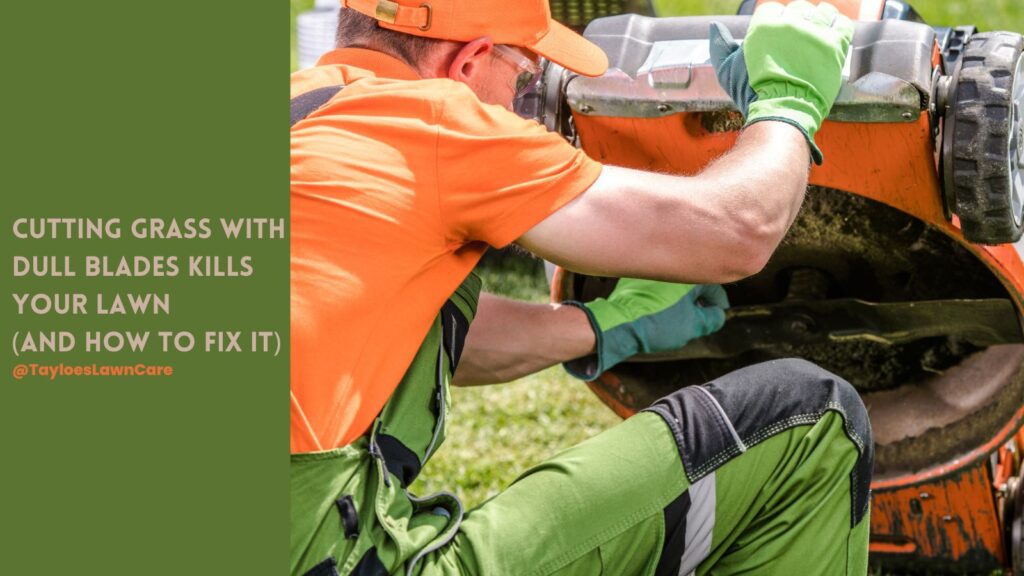
Dull blades tear grass instead of cutting it cleanly. This creates frayed brown tips, makes lawns more susceptible to fungus, and increases overall stress.
Homeowners should sharpen mower blades at least once or twice per season, depending on use.
3. Overwatering or underwatering
Improper watering is one of the top causes of lawn decline.
Signs of overwatering
- Mushy soil
- Yellowing turf
- Increased fungus
Signs of underwatering
- Wilting
- Footprints that remain visible
- Slow recovery after mowing
Most lawns need about 1 inch of water per week, ideally measured using a tuna can or rain gauge.
4. Using too much fertilizer
More fertilizer does not mean more growth. Over-fertilizing—especially nitrogen-heavy products—can burn grass, stimulate fungus, and weaken the root system.
Centipede grass is particularly sensitive and should only receive small amounts of nitrogen.
5. Applying the wrong product for your turf type
Using treatments not labeled for your grass species can cause thinning or death of entire sections.
Examples include:
- Using high-nitrogen fertilizers on centipede
- Applying weed & feed to dormant warm-season grasses
- Treating fescue during high heat
Always check whether a product is safe for your specific turf.
6. Improper weed control timing
Even the right product will fail—or cause damage—if applied at the wrong time.
Common timing mistakes
- Applying pre-emergent after soil is too warm
- Treating weeds during drought or extreme heat
- Spraying herbicides on newly seeded areas
Timing matters more than the type of product used.
7. Excess traffic on wet grass
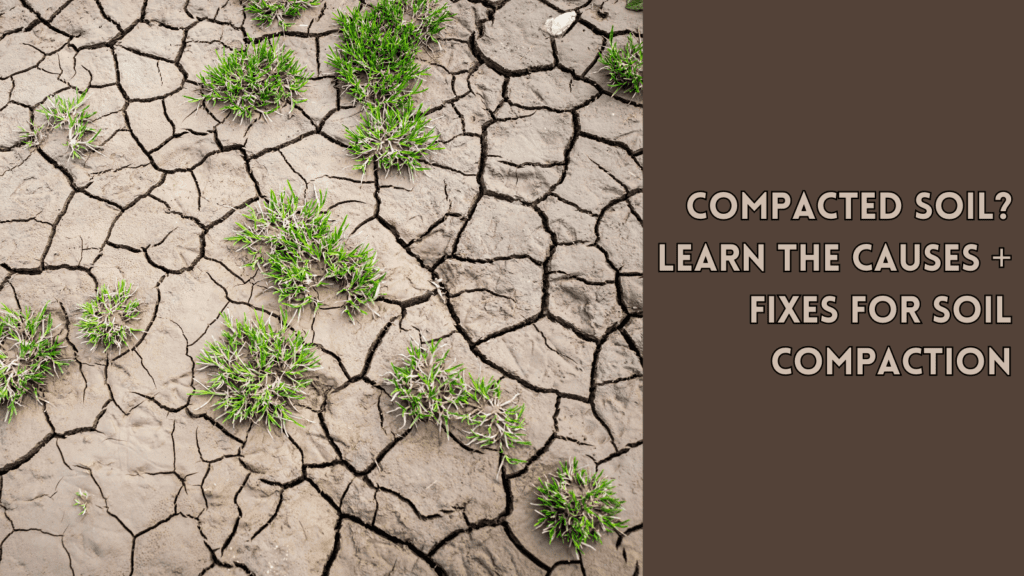
Walking or driving on wet turf compresses soil, breaks roots, and creates worn-down trails. In Eastern NC’s clay-influenced soils, compaction quickly leads to thinning areas that struggle to repair themselves.
Give lawns time to dry before heavy use or mowing.
8. Pet urine spots
Dog urine contains salts and nitrogen that can burn grass, creating brown, dead patches. These spots often appear year-round and worsen during hot months.
Watering the area immediately after pets go outside helps dilute the nitrogen and prevent damage.
9. Shade stress
Many warm-season grasses need full sun to thrive. In shaded conditions, they thin out, yellow, or stop spreading.
Shade tolerance (general)
- Bermuda: Poor
- Centipede: Fair
- Zoysia: Good
- Tall fescue: Best
If shade continues to increase due to tree growth, consider switching to a more tolerant grass or adding mulch beds.
10. Insect and fungus issues left untreated
Pests and fungus can cause major lawn damage, but they typically become severe only after stress from one of the earlier issues. Problems like grubs, armyworms, brown patch, and dollar spot spread faster in weakened turf.
Early detection and proper treatment help prevent long-term damage.
Bonus: Hidden causes many homeowners overlook
Several subtle issues also contribute to lawn decline:
- Mowing at inconsistent intervals
- Leaving heavy objects on grass
- Excessive thatch buildup
- Soil pH imbalance
- Poor drainage or compacted ground
Often, correcting one or two of these issues dramatically improves lawn health.

The Takeaway: Preventing lawn damage is easier when you know what causes it
Preventing lawn damage starts with understanding the small, everyday habits that weaken turf. When you mow at the correct height, water properly, use the right products, and recognize early signs of stress, your lawn stays greener, thicker, and healthier throughout Eastern North Carolina’s long growing season. Small adjustments go a long way toward protecting your yard from avoidable damage.
If you need help with a lawn damage issue, just snap a photo and text it to us at 252.287.3376. We’re glad to look at it and help you with the repair.
Author Profile

- Randy Tayloe is the COO of Tayloe's Lawn Care Service, LLC. He is a certified custom applicator, recognized by the North Carolina Department of Agriculture Pesticide Division. A native of Bertie County, NC, and graduate of Bertie High School, he wants to beautify his home county - one yard at a time.
Latest entries
 Lawn CareOctober 5, 2026Signs of lawn disease in NC
- Lawn CareSeptember 29, 2026Lawn care disasters to avoid (especially in our climate)
- Pest ControlSeptember 22, 2026How long do mosquitoes stay active in NC?
- Pest ControlSeptember 16, 2026Getting rid of armyworms