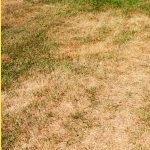
Reduce diseased, weak plants and grass by avoiding these common lawn watering mistakes.
It’s common for homeowners to search for lawn watering mistakes when they notice thin patches, unexpected weeds, brown areas, or shallow roots. In Eastern North Carolina, watering incorrectly is often the biggest factor behind crabgrass outbreaks, fungal disease, and weak turf. The good news is that most watering mistakes are easy to fix once you understand how warm-season and cool-season grasses respond to heat and moisture.
This guide breaks down the most common watering errors and shows you how to improve your lawn’s health with better timing, depth, and frequency.
Mistake #1 — Watering Shallowly Every Day
Daily light watering only wets the top half-inch of soil.
This encourages turf roots to stay near the surface, where heat dries them out quickly.
Better approach
- Water deeply once or twice a week
- Aim to moisten soil 6–8 inches deep
- Use a rain gauge or tuna can to measure 1 inch of water (but we won’t mention tuna 😉)
Deep watering builds stronger roots that withstand heat and drought.
Mistake #2 — Watering in the Late Afternoon or Evening
Watering after 5 pm leaves moisture sitting on blades overnight.
This is a perfect environment for fungal growth, especially in humid Carolina summers.
Better approach
- Water between 5 am and 10 am
- Morning watering dries blades quickly
- Disease pressure drops dramatically
The goal is: water the soil, not soak the grass blades.
Mistake #3 — Watering Too Frequently
Overwatering is just as harmful as underwatering.
Excess moisture suffocates roots and leads to disease.
Signs of overwatering:
- Mushrooms in the yard
- A “spongy” feel when you walk
- Frequent disease outbreaks
Better approach
- Irrigate less often, but more deeply
- Allow the top 2 inches of soil to dry between waterings
Mistake #4 — Watering at the Wrong Time of Year
In our region, warm-season grasses (Bermuda, Zoysia, St. Augustine, Centipede) simply do not need much water during spring and fall. Most homeowners water too early or too late.
Guidelines
- Water plants and grass the most from June to August
- Minimal watering April–May and September–October
- Winter watering is rarely needed
Watering during cool months stresses turf and encourages fungus.
Mistake #5 — Not Adjusting Watering for Soil Type
Different soil types absorb and hold water differently.
In clay soils (common in Eastern NC)
- Water more slowly so moisture penetrates
- Avoid short bursts — runoff wastes water
In sandy soils
- Water more frequently, but still deeply
Adjusting for soil type prevents waste and improves turf resilience.
Mistake #6 — Watering Sloped or Low Areas Incorrectly
Water runs downhill quickly on slopes and pools in low areas.
This frequently causes uneven growth.
Fixes
- On slopes: water slowly or use cycle-soak method
- In low areas: shorten watering duration and improve drainage
Cycle-soak = shorter watering sessions repeated after 20–30 minutes of soaking time.
Mistake #7 — Ignoring Weather Patterns
A surprising number of homeowners water during rainy weeks (or immediately after storms), which leads to fungal problems.
Better approach
- Skip watering for several days after rain
- Only water when rainfall totals drop below 1 inch per week
Your lawn doesn’t benefit from extra water — it suffers.
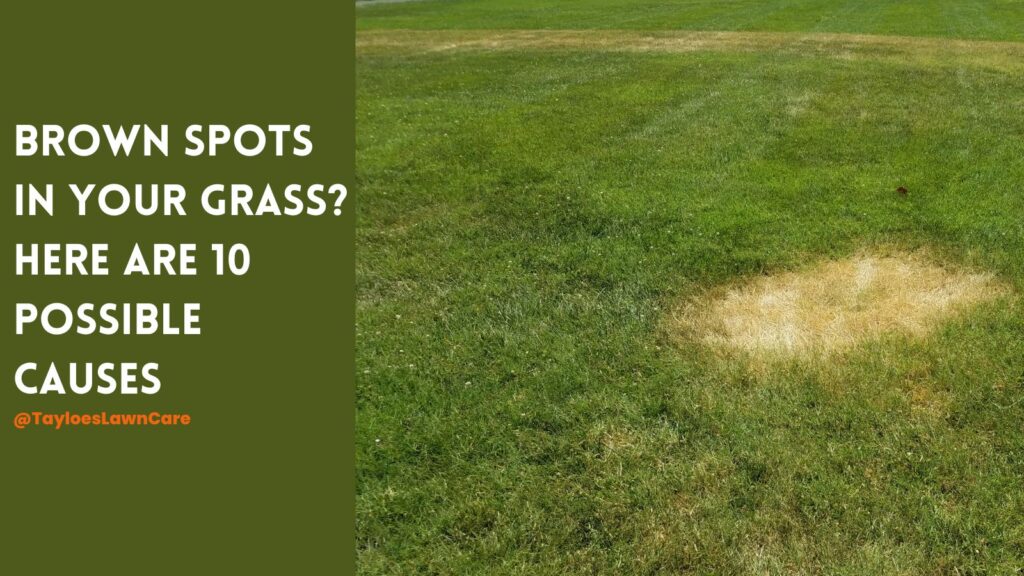
Mistake #8 — Watering Only Bare or Brown Spots
Brown or thin patches might be due to:
- Disease
- Grubs
- Compaction
- Shade issues
Water won’t fix:
- Compacted soil
- Shade-driven thinning
- Dead roots
Correct problem first, then water appropriately.
Mistake #9 — Forgetting About Water Distribution
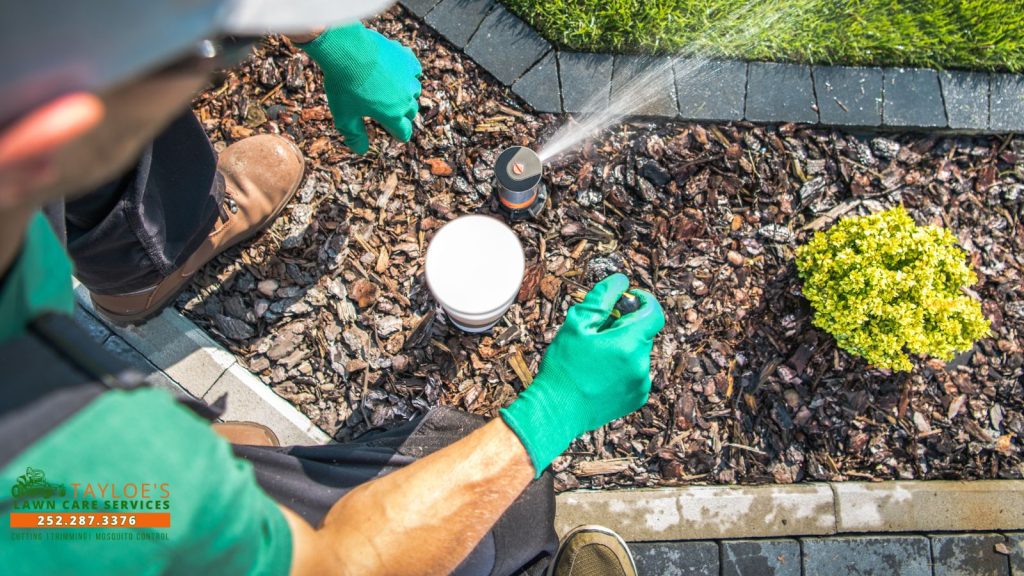
Sprinkler coverage should be uniform. Most lawns are watered unevenly without homeowners realizing it.
Symptoms of uneven watering
- Green streaks where sprinklers overlap
- Brown patches in missed zones
Fixes
- Check sprinkler arcs and alignment
- Run a test cycle and mark dry spots
- Overlap sprinkler paths correctly
Mistake #10 — Watering to “Green Up” Dormant Grass
Warm-season grasses naturally slow or go dormant in cooler months. Watering doesn’t make them green faster — it only encourages fungus.
Better approach
- Only water intensively during peak growth (June–August)
- Focus on deep soaking instead of color change
Your lawn color follows the season, not the faucet.
Seasonal watering strategy for Eastern NC lawns
Here’s a simplified overview based on research and local soil response:
Spring (April–May)
- Water lightly or not at all
- Turf is actively rooting — let it strengthen
Summer (June–August)
- Water 1–2 deep sessions weekly
- Ensure soil gets 1 inch/week
Early Fall (September–October)
- Reduce watering
- Allow turf to harden off for cooler temps
Winter (November–March)
- Only water if an extended drought occurs

Avoiding lawn watering mistakes strengthens lawns, prevents weeds, and protects turf during heat
To avoid common lawn watering mistakes in Eastern North Carolina, homeowners must water deeply rather than frequently, use early morning watering, adjust for soil type, and align watering with growth season. Smart watering reduces disease, supports deeper roots, and creates greener, stronger turf that holds up through heat and stress.
Ready to leave your lawn care to our professional team? Call or text 252.287.3376 right now.
Author Profile

- Randy Tayloe is the COO of Tayloe's Lawn Care Service, LLC. He is a certified custom applicator, recognized by the North Carolina Department of Agriculture Pesticide Division. A native of Bertie County, NC, and graduate of Bertie High School, he wants to beautify his home county - one yard at a time.
Latest entries
 Lawn CareOctober 5, 2026Signs of lawn disease in NC
- Lawn CareSeptember 29, 2026Lawn care disasters to avoid (especially in our climate)
- Pest ControlSeptember 22, 2026How long do mosquitoes stay active in NC?
- Pest ControlSeptember 16, 2026Getting rid of armyworms