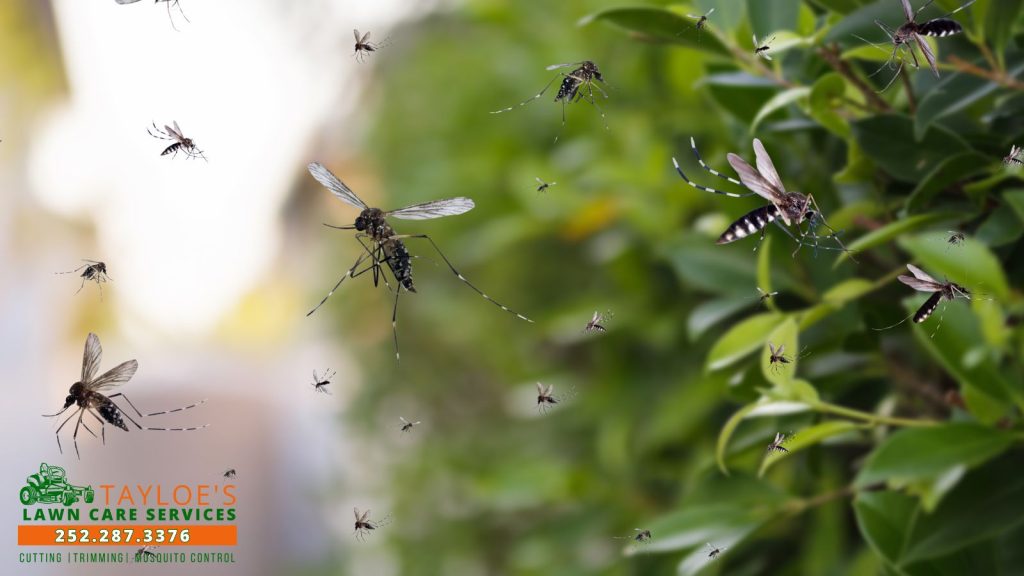
Here’s how long you can expect mosquito activity in NE NC.
If you’re asking how long mosquitoes stay active in Northeastern NC, the short answer is far longer than most homeowners expect. Unlike northern states that see a sharp drop-off in mosquito activity in early fall, our warm and humid climate supports breeding and biting well into late October — sometimes even November when overnight temperatures stay above 50°F.
Understanding the mosquito season helps homeowners manage outdoor spaces more comfortably while reducing the risk of bites, lawn stress from overspraying, and unnecessary chemical exposure.
Mosquito activity depends on temperature — not the calendar
Mosquitoes don’t follow a monthly schedule. Their development, hatching, and feeding depend on soil and air temperatures, moisture levels, and breeding habitat availability.
Mosquitoes remain active when:
- Daytime temperatures are above 60°F
- Night temperatures are above 50°F
- Standing water provides breeding sites
All three conditions are very common across Northeastern NC well into the fall.
When mosquito activity begins in our region
Many homeowners assume mosquitoes begin in late spring. In reality:
- The season starts in April
- Peak populations develop in May through June
- Summer storms support continuous breeding in July and August
Because temperatures warm early here, eggs laid in late spring hatch quickly, and the overlapping generations keep populations high.
How long mosquitoes stay active in Northeastern NC
Here’s what homeowners need to know:
In most years, mosquitoes are active from April through late October.
But weather variations play a role.
Typical season based on climate:
- April: Season begins
- May–September: Peak activity
- October: Still active (especially early and mid-October)
- November: Activity stops once night temps dip consistently below 50°F
In warm fall years, biting continues into early November.
Why mosquitoes last longer here than many U.S regions
Several local conditions extend our mosquito season:
1) Warm nighttime temperatures
Mosquitoes become sluggish below 50°F, but they don’t die — they simply feed less aggressively. In our mild fall nights, they remain active well past the dates people expect.
2) High humidity and rainfall
Even short rain showers create breeding spots. Summer thunderstorms and early fall moisture provide ideal egg-laying conditions.
3) Clay-influenced soil that holds water
Clay compacts and holds shallow water, which supports larval development. Even a half-inch puddle can produce hundreds of larvae.
4) Dense vegetation near homes
Mosquitoes use shaded areas to rest. Foundation plantings, mulched beds, tall ornamental grasses, and overgrown shrubs provide perfect shelter.
Our landscaping climate benefits turf — but also benefits mosquitoes.
When mosquito bites typically slow down
Biting intensity declines once:
- Daytime temperatures fall consistently below 60°F
- Night temperatures fall consistently below 50°F
- Dry conditions reduce breeding sites
- Autumn fronts clear humidity briefly
For most homeowners, noticeable relief comes in:
- Late October
- Early November
But warm snaps can reactivate suppressed populations.
How mosquitoes overwinter in Northeastern NC
Many people believe mosquitoes die in the first frost. They don’t.
Different species overwinter in different life stages:
- Some overwinter as eggs in moist soil
- Some overwinter as adult females in debris and leaf litter
- Some overwinter as larvae in shallow mud-bottom pools
This means that early spring populations often appear suddenly — not because fresh breeding occurred, but because overwintered insects reactivated.
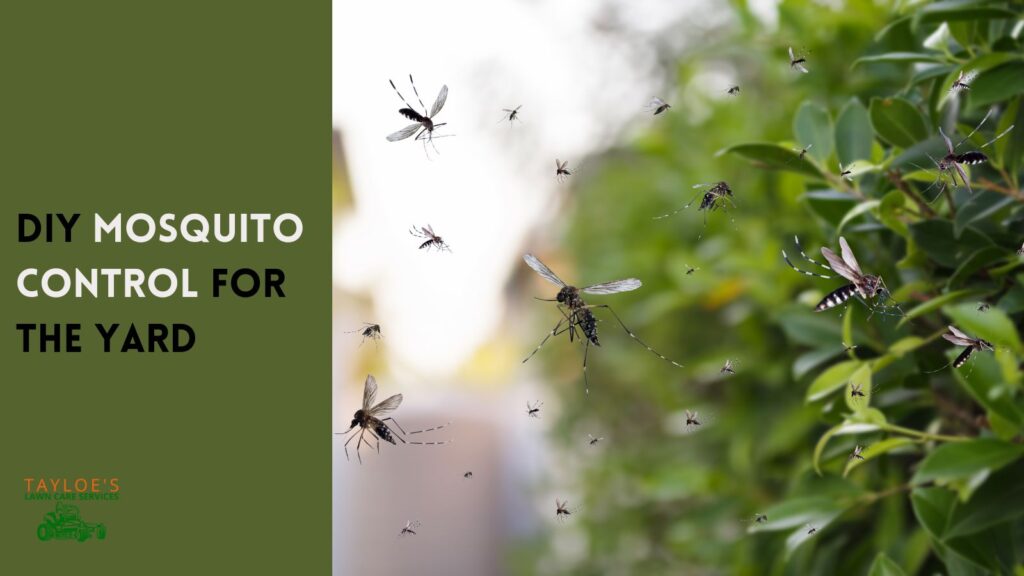
Why late summer and early fall control is still necessary
Homeowners often stop treatments too early.
But August–October is when many species produce their largest reproductive cycles.
Stopping treatment early allows:
- Fall egg dumps that overwinter
- Stronger spring populations the following year
Reduction efforts made in September and October pay dividends the following spring.
Practical mosquito reduction strategies that actually work here
The best approach isn’t spraying constantly — it’s breaking the breeding cycle.
1) Eliminate standing water
Common overlooked sources:
- Potted plant saucers
- Clogged gutters
- Bird baths (change water every 2–3 days)
- Decorative pots
- Low spots in lawns
2) Keep vegetation trimmed and thinned
Mosquitoes rest on shaded surfaces during the day. Opening airflow makes the space less attractive.
3) Use sand or soil to fill micro-puddles
Tiny puddles produce thousands of larvae.
4) Use targeted, not blanket, treatments
Over-applying treatments stresses lawns and kills beneficial insects.
Late afternoon sprays are ineffective because:
- Mosquitoes are most active in the dusk
- Sprays often evaporate before mosquitoes are active
Correct timing = better results, less product.
How lawns affect mosquito populations
Lawns themselves don’t create mosquitoes — water + shade do.
But lawn care choices influence their presence:
- Low mowing creates mud areas where puddles collect
- Poor drainage increases mosquito habitat
- Overwatering also contributes
Good lawn health indirectly reduces mosquito population.
What homeowners misunderstand about the first frost
A frost slows activity — it does not end activity.
After one frost:
- Many adult females survive in shrubs
- Larvae remain dormant in shallow water
- New adults hatch during warm-up periods
Reliable mosquito end-of-season conditions require sustained cooling, not a single cold snap.
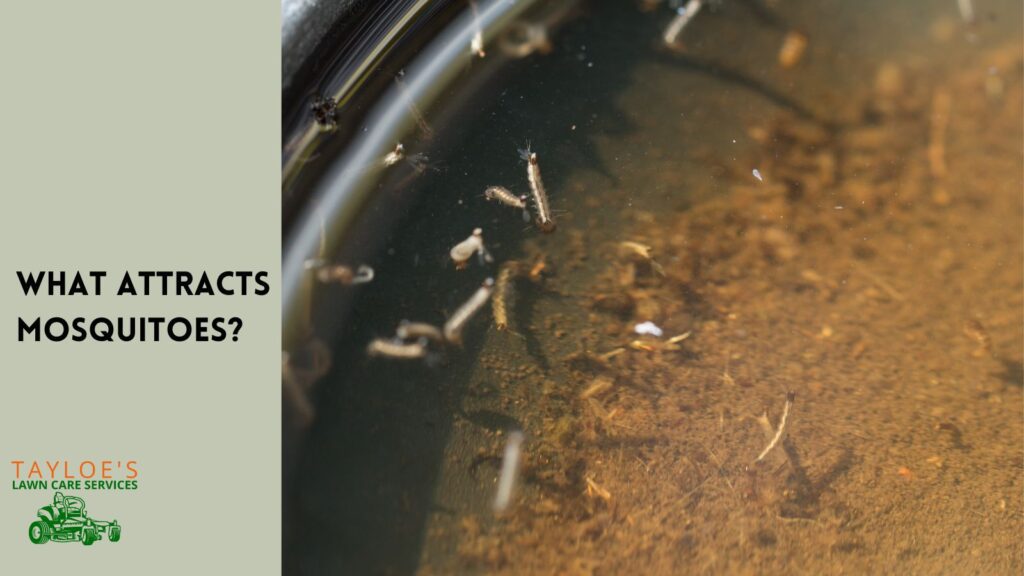
When mosquito season truly ends in Northeastern NC
Mosquito season ends when:
- Night temps remain below 50°F for 14 consecutive days
- Soil temperature cools sufficiently to slow egg survival
- Day temps struggle to reach 60°F
Historically, this aligns with:
- Late October in cooler years
- Early November in warmer years
Most years in Northeastern NC sit somewhere between those two ranges.

Mosquitoes remain active much longer in Northeastern NC than most people think
Mosquitoes in Northeastern NC stay active from April through late October, and sometimes into early November, because of warm nights, high humidity, and soil conditions that allow eggs and larvae to survive. The real key to managing mosquitoes isn’t assuming they disappear early — it’s addressing breeding sites, reducing shade moisture, and using targeted treatments that interrupt the life cycle before overwintering can occur.
Tayloe’s Lawn Care offers certified mosquito control services, and we spray until it’s time to stop each season. Call or text 252.287.3376 to be added to our route.
Author Profile

- Randy Tayloe is the COO of Tayloe's Lawn Care Service, LLC. He is a certified custom applicator, recognized by the North Carolina Department of Agriculture Pesticide Division. A native of Bertie County, NC, and graduate of Bertie High School, he wants to beautify his home county - one yard at a time.
Latest entries
 Pest ControlSeptember 22, 2026How long do mosquitoes stay active in NC?
- Pest ControlSeptember 16, 2026Getting rid of armyworms
- Pest ControlSeptember 8, 2026Grub & beetle control in NC (what works vs. what doesn’t
- Lawn CareAugust 18, 2026Fall lawn prep starts in August in NC