Watch for these key signs of lawn disease.
If you’re searching for signs of lawn disease in NC, you’re likely noticing patches, discoloration, thinning turf, or unusual textures that don’t improve with watering. In North Carolina’s warm, humid climate, lawn disease is one of the most common — and most misunderstood — causes of turf decline. Many homeowners mistake disease for drought stress, nutrient deficiency, or insect damage, which delays proper treatment and allows the problem to spread.
This guide explains the most common visual signs of lawn disease in NC, why they occur here so frequently, and what to do next when symptoms appear.
Why lawn disease is so common in North Carolina
North Carolina lawns face a perfect storm for fungal disease:
- High humidity for extended periods
- Warm nights that keep grass wet longer
- Heavy dew formation
- Frequent summer rainstorms
- Clay-influenced soils that hold moisture
- Dense turf growth during peak season
Fungal organisms thrive when moisture sits on grass blades overnight and soil stays warm. Even well-maintained lawns can develop disease if conditions are right.
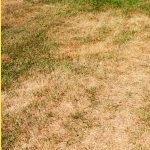
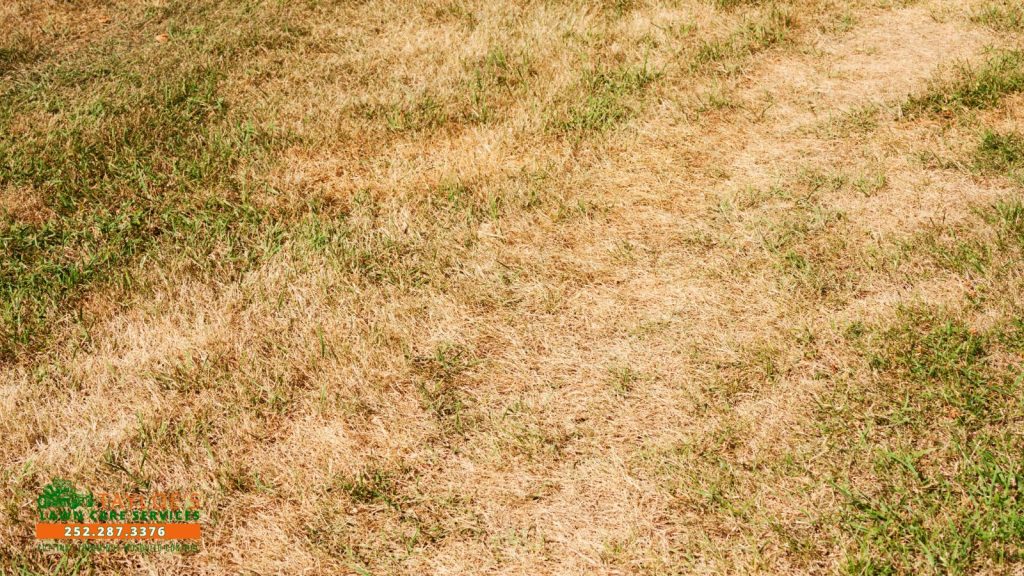
Yellow or brown patches that don’t respond to watering
One of the earliest signs of lawn disease is discoloration that looks like drought stress — but doesn’t improve after irrigation.
Disease-related patches often:
- Appear suddenly
- Spread outward over days
- Have irregular or circular edges
- Remain yellow or brown even after rain
Unlike dry turf, diseased grass does not rebound overnight. The color change is caused by damaged leaf tissue, not lack of water.
Circular or ring-shaped patterns in the lawn
Many fungal diseases form distinct shapes as they spread through turf.
You may notice:
- Circles or arcs of yellowing grass
- Rings with greener grass inside
- Brown centers surrounded by yellow halos
These patterns are especially common in summer when soil temperatures remain high overnight. The circular spread happens because fungi grow outward from a central infection point.
Slimy or greasy-looking grass in the morning
If your lawn looks greasy, slick, or matted early in the day — especially after humid nights — this can indicate active fungal growth.
This symptom is often accompanied by:
- A musty odor
- Grass blades sticking together
- Discoloration developing later in the day
This appearance is most noticeable before the sun dries the lawn and is a strong warning sign that disease pressure is high.
Thinning turf with visible soil underneath
Disease weakens grass at the crown and root level. As infected blades die back, the turf canopy opens, exposing soil beneath.
When this happens:
- Weeds move in quickly
- Bare patches expand
- Turf loses density and resilience
This thinning is not caused by mowing or foot traffic alone. If thinning spreads despite normal care, disease is often involved.
Grass that pulls up easily from the soil
Healthy turf is anchored by strong roots. Diseased turf often loses its root system.
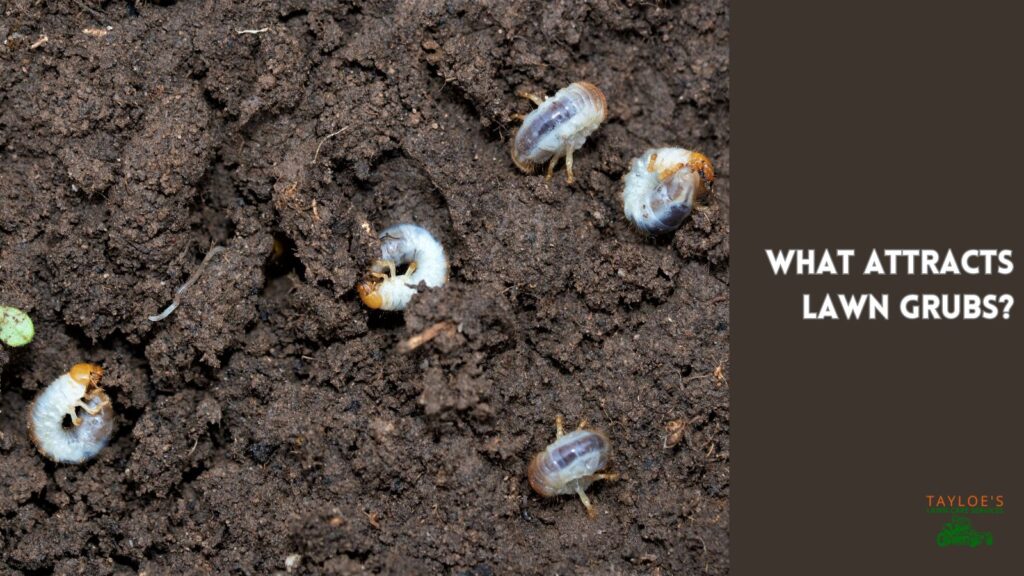
If you can gently tug on affected areas and the grass lifts easily — sometimes like carpet — the lawn is under serious stress. While grubs can cause similar symptoms, disease-related root decline usually comes with discoloration and patching rather than clean root severing.
Leaf spotting, lesions, or darkened tips
Some lawn diseases create visible marks on individual blades.
Look closely for:
- Small brown or black spots
- Tan centers with dark borders
- Yellowing starting at blade tips
- Irregular streaks along leaves
These signs often appear before widespread patching and are easiest to spot when mowing height is correct and blades are not overly shredded.
Patches that worsen after fertilizing
Fertilizer can unintentionally fuel disease in warm, humid weather.
If turf:
- Turns yellow or brown shortly after fertilization
- Develops streaks following fertilizer spreader paths
- Declines during high heat despite feeding
This often indicates disease pressure rather than nutrient deficiency. Excess nitrogen during warm, wet conditions feeds fungal growth faster than grass growth.
Disease symptoms that follow watering patterns
Disease often mirrors irrigation habits.
Warning signs include:
- Damage appearing where sprinklers overlap
- Worse symptoms in shaded or low-lying areas
- Problems developing after evening watering
Lawns watered late in the day stay wet overnight — exactly what fungi need to spread.
Common lawn diseases seen in NC (by symptom, not chemistry)
Rather than naming diseases homeowners rarely recognize, it’s more helpful to understand symptom groups:
- Patch diseases: Circular yellow or brown areas that expand
- Leaf diseases: Spots, streaks, and blade discoloration
- Root diseases: Thinning turf that lifts easily
- Humidity-driven diseases: Slimy morning grass and rapid spread
Accurate identification matters because treatments differ — and some issues resolve simply by changing watering or mowing practices.
What NOT to do when you see disease symptoms
Many well-intentioned responses make disease worse.
Avoid:
- Fertilizing stressed turf
- Watering more frequently
- Watering in the evening
- Mowing too low
- Applying random fungicides without diagnosis
These actions often accelerate fungal activity instead of stopping it.
What to do immediately if you suspect lawn disease
The first steps should focus on reducing stress and moisture:
- Water only in the early morning
- Reduce watering frequency
- Raise mowing height slightly
- Improve airflow by trimming surrounding plants
- Avoid nitrogen applications
Often, these steps slow disease progression within a week.
When professional treatment is needed
Professional intervention may be necessary when:
- Disease spreads rapidly
- Large areas are affected
- Turf fails to recover after moisture adjustments
- Multiple stressors are present
Proper diagnosis ensures the right treatment at the right time — not unnecessary chemical applications.
Why prevention matters more than treatment in NC lawns
Because our climate favors disease, prevention is far more effective than reacting after damage occurs.
Healthy lawns resist disease through:
- Deep, infrequent watering
- Correct mowing height
- Balanced fertilization timing
- Aerated, oxygen-rich soil
- Strong root systems
Disease usually attacks turf that is already stressed.

Early recognition of lawn disease saves turf, time, and money
The signs of lawn disease in NC include persistent yellow or brown patches, circular patterns, slimy morning grass, thinning turf, and blade spotting that does not respond to watering. Because our humid climate encourages fungal growth, recognizing symptoms early and adjusting care practices quickly can prevent widespread damage.
When in doubt, reducing moisture stress and seeking proper diagnosis protects your lawn far better than guessing with treatments. Call Tayloe’s Lawn Care Services, serving Ahoskie, Aulander, and Murfreesboro, NC, for a professional evaluation of your lawn’s health.
Author Profile

- Randy Tayloe is the COO of Tayloe's Lawn Care Service, LLC. He is a certified custom applicator, recognized by the North Carolina Department of Agriculture Pesticide Division. A native of Bertie County, NC, and graduate of Bertie High School, he wants to beautify his home county - one yard at a time.
Latest entries
 Lawn CareOctober 5, 2026Signs of lawn disease in NC
- Lawn CareSeptember 29, 2026Lawn care disasters to avoid (especially in our climate)
- Pest ControlSeptember 22, 2026How long do mosquitoes stay active in NC?
- Pest ControlSeptember 16, 2026Getting rid of armyworms