Read about planting and caring for the striking Forever Goldy arborvitae.
If you want a low-maintenance evergreen that delivers year-round color, the Forever Goldy Arborvitae (Latin: Thuja plicata ‘4EVER’) is one of the most dependable choices for homeowners in Northeastern North Carolina. This golden conifer handles our long, hot summers and mild winters with ease, provided it is planted and watered correctly from day one. Because it stays narrow, upright, and brightly colored in every season, it gives homeowners an easy way to add structure, privacy, and curb appeal without overwhelming a small yard.
The guide below explains exactly how to plant, care for, and maintain the Forever Goldy Arborvitae—step by step—so it thrives in our regional soil and climate.
What makes the Forever Goldy Arborvitae unique?
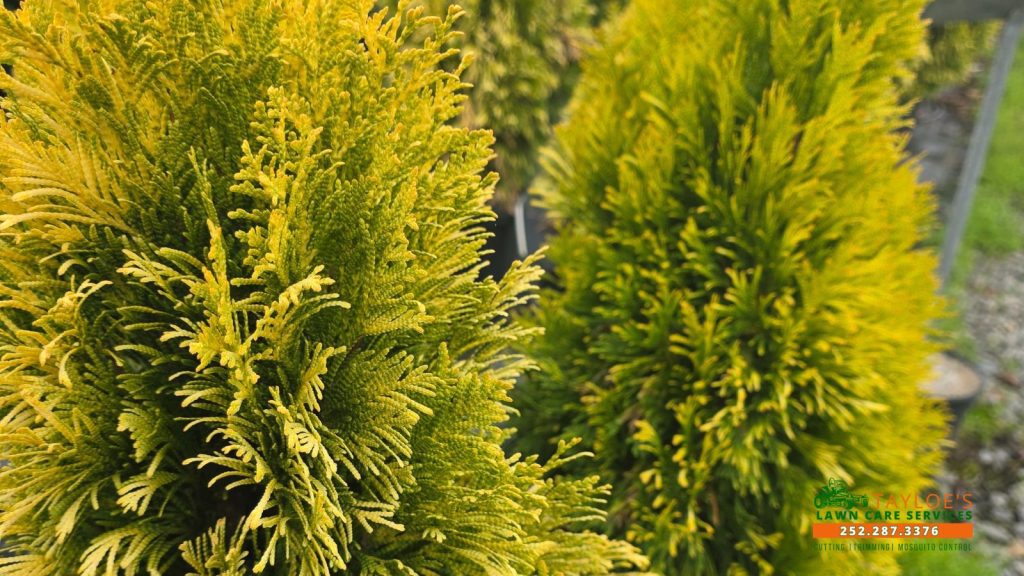
The Forever Goldy Arborvitae is a compact evergreen known for its golden foliage that remains bright year-round. Unlike traditional green arborvitae varieties, this cultivar maintains its color even during winter, which helps landscapes avoid the dull, washed-out look that often happens when other evergreens fade.
Key characteristics of the golden evergreen shrub include:
- Mature height of 10–12 feet
- Mature width of 3–4 feet
- Narrow, columnar growth habit
- Full sun preference for best color
- USDA Zone 5–9 hardiness (excellent for NC)
- Soft, feathery evergreen texture
Because of its tidy vertical shape, the plant works beautifully in both suburban and rural yards across Bertie and Hertford counties. It fits easily along property lines, near driveways, by porches, or anywhere a homeowner wants height without sacrificing space.
Best landscape uses for Forever Goldy Arborvitae
The Forever Goldy’s size and structure make it extremely versatile. Homeowners can use it for privacy, accents, or even container gardening.
Privacy screens for small yards
Its narrow footprint makes it ideal for property lines, pool areas, and tight side yards.
Accent plants near entrances
The golden color contrasts beautifully with brick homes, ranch homes, and vinyl siding—common styles in our region.
Mixed evergreen borders
Pair it with hollies, junipers, loropetalum, or green arborvitae for layered color and texture.
Container growing
Forever Goldy performs well in large pots, making it a great option for porches or patios.
How to plant a Forever Goldy Arborvitae
Correct installation is the most important factor in long-term success. Arborvitae suffer quickly if planted too deeply, watered incorrectly, or set in compacted soil.
Choose the right location
Place the arborvitae where it will receive at least six hours of direct sun. More sunlight produces richer golden foliage. Avoid setting it in deep shade or under large oaks, where color will fade and growth will slow.
Space plants correctly
If installing multiple plants:
- Space 3 feet apart for a dense privacy wall
- Space 4 feet apart for ornamental groupings
Proper spacing improves airflow and reduces future leaning.
Dig the planting hole
A well-prepared hole prevents root stress.
- Dig the hole twice as wide as the nursery pot
- Keep the hole no deeper than the root ball
- Allow the top of the root ball to rest 1–2 inches above ground level
Planting too deeply is one of the leading causes of arborvitae decline in Eastern NC’s clay-influenced soils.
Backfill with native soil
Use the same soil you removed from the hole.
- Break up compacted clods
- Lightly tamp as you backfill to eliminate air pockets
- Shape a shallow saucer at the base to help water soak in
Avoid filling the hole with 100% bagged soil; the plant will settle and suffocate.
Water thoroughly
Give the arborvitae a deep, slow soak after planting. A hose set to a gentle trickle for 10–15 minutes ensures the root ball absorbs moisture evenly.
Watering requirements for Forever Goldy Arborvitae
Watering determines whether this evergreen thrives or fails. Arborvitae have shallow roots that need consistent moisture during the first several months.
Weeks 1–4
Water daily unless rainfall is significant.
Months 2–3
Water two to three times weekly to help roots spread.
After establishment
Water during:
- Heat waves
- Drought
- Extended windy periods
- Winter dry spells
Once established, Forever Goldy Arborvitae becomes surprisingly drought-tolerant.
Mulching tips for healthy growth
Mulch helps stabilize moisture and reduce competition from weeds.
Use materials such as:
- Pine straw
- Hardwood mulch
- Shredded bark
Apply a two- to three-inch layer, but keep mulch pulled back three to four inches from the trunk to prevent rot and insect issues.
Fertilizing the Forever Goldy Arborvitae
Arborvitae do not require heavy feeding. A slow-release evergreen fertilizer applied once in early spring is usually enough.
Suitable blends include:
- 12-6-6
- 10-8-6
- Any balanced evergreen formula
Avoid fertilizing in late summer or fall. New late-season growth is more vulnerable to winter damage.
Pruning and shaping tips
Forever Goldy naturally maintains a narrow, uniform silhouette, so pruning should be minimal.
- Remove dead interior twigs anytime
- Trim light flyaway tips in late spring
- Avoid cutting into bare wood that cannot regrow
- For hedging, perform only light shearing and never remove more than 20% at once
Proper pruning helps the plant maintain density and color without stress.
Common Forever Goldy arborvitae issues and how to avoid them
Here are a few things to know before deciding on the Forever Goldy:
Browning or yellowing
Usually caused by deep planting, over-watering, dog urine, or winter burn.
Leaning or tilting
Occurs when the soil is soft or the roots have not anchored. Staking may be necessary for the first few months.
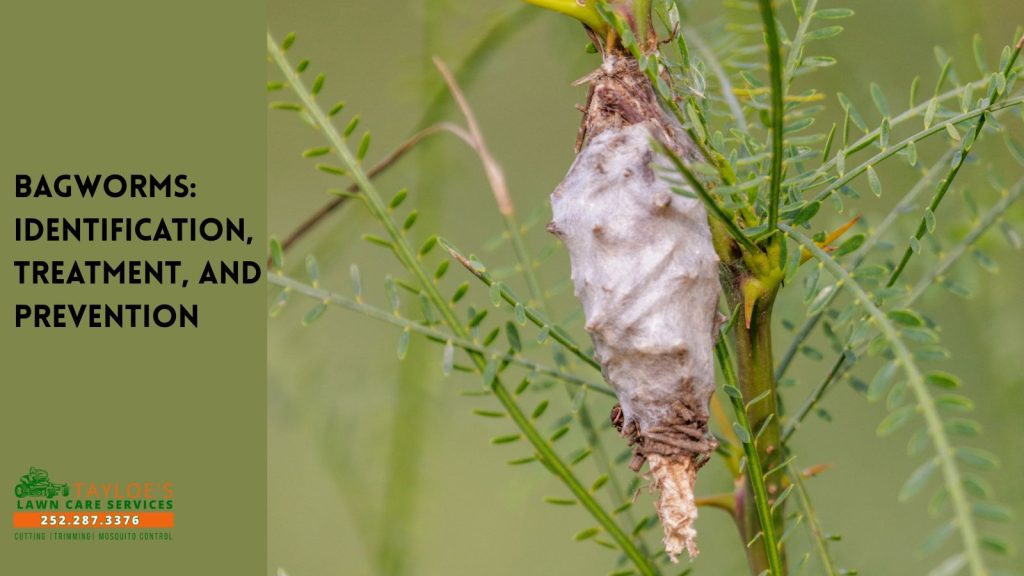
Bagworms
Inspect from June through August. Remove bags by hand or treat with Bacillus thuringiensis (Bt).
Spider mites
These thrive in dry heat. Rinse foliage weekly with a strong stream of water to prevent infestations.
Growth rate and maturity timeline
Forever Goldy Arborvitae grows approximately 6–12 inches per year. Most plants reach full height within eight to ten years while maintaining their narrow, columnar shape. This makes them an excellent long-term choice for structured borders or decorative beds.
Deer resistance
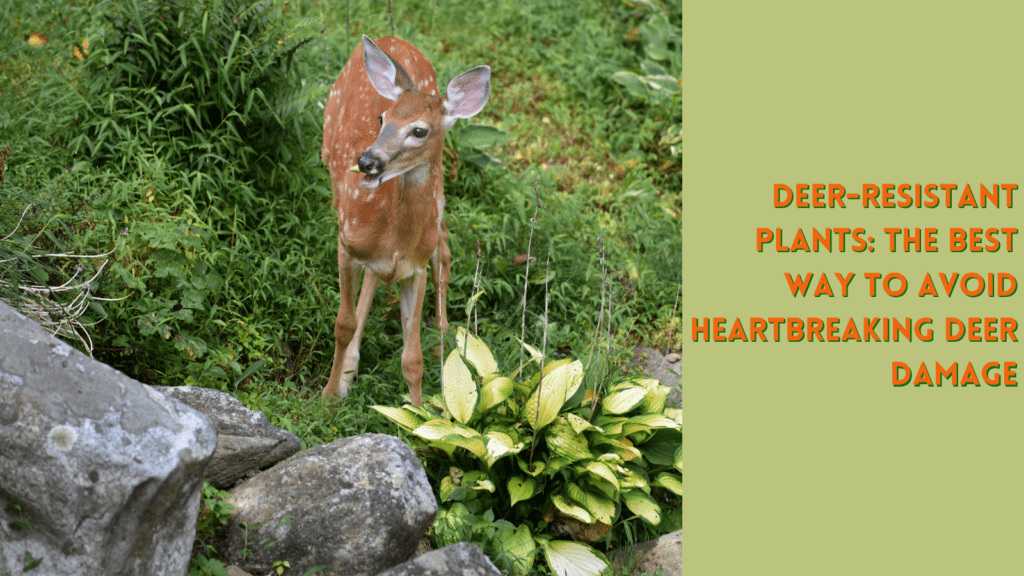
No arborvitae is completely deer-proof, but Forever Goldy is less appealing to deer than greener varieties. In areas with heavy browsing, temporary fencing or repellents may still be helpful.
Best planting seasons for arborvitae in Eastern NC
Ideal planting times include:
- Fall (best for root development)
- Early to late spring (before heat arrives)
Avoid planting during late-summer heat, immediately before a freeze, or during watering restrictions.

The Takeaway: The Forever Goldy Arborvitae offers year-round color with minimum effort
The Forever Goldy Arborvitae gives homeowners a bright, dependable, low-maintenance evergreen that thrives in Eastern North Carolina’s climate. When you choose a sunny location, plant it at the proper depth, water consistently in the early months, and provide light seasonal care, you’ll enjoy a vivid golden focal point that enhances your landscape for years to come.
If you are interested in installing this golden evergreen, call or text Tayloe’s Lawn Care Services, LLC at 252.287.3376. We have a source for local, ENC-grown arborvitae and can supply and install it for you.
Related Reading:
Author Profile

- Deborah Tayloe is the CEO and co-founder of Tayloe's Lawn Care Services, LLC. She has a B.S.Ed and holds certificates in soil and water management and herbology from accredited programs.
Latest entries
 Trees and ShrubsOctober 19, 2026Soft Touch Holly: A compact evergreen for seasonless greenery
- GardeningOctober 12, 2026When can I plant knockout roses in eastern North Carolina?
- Herb GardenSeptember 1, 2026What fall vegetables should you grow in NE NC?
- GardeningAugust 25, 2026Best low-maintenance landscaping ideas for NC