Here’s why we often suggest soft touch holly to our landscaping clients.
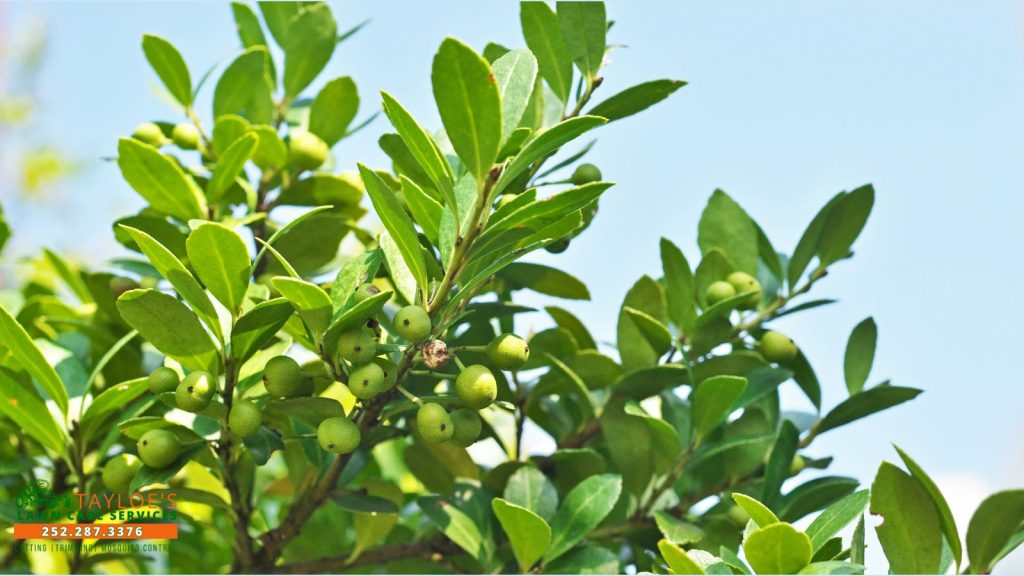
Soft Touch Holly (Latin: Ilex crenata) is one of the most reliable compact evergreens for homeowners who want tidy, low-maintenance landscaping. If you’ve been searching for a shrub that stays naturally rounded, tolerates humidity, and adds year-round structure without aggressive pruning, Soft Touch Holly is an excellent fit. Because our region has warm summers and clay-influenced soils, choosing a shrub that handles moisture fluctuation is essential — and Soft Touch Holly does that beautifully when planted correctly.
This guide explains how to install, care for, and maintain Ilex crenata so it thrives in your Eastern North Carolina landscape.
What makes Soft Touch Holly unique?
Instead of the sharp spines associated with traditional holly varieties, Soft Touch has flattened, soft-textured foliage. It retains a lush green color year-round, making it perfect for foundation plantings and accent beds.
Its natural traits include:
- Mature height: 2–3 feet
- Mature width: 2–3 feet
- Shape: Rounded, compact form
- Growth habit: Slow to moderate
- Foliage: Glossy, deep green
- Sun needs: Full sun to partial shade
- USDA zones: 5–9 (perfect for Eastern NC)
Soft Touch Holly maintains its neat appearance without constant trimming — especially helpful for homeowners who want plantings that look intentional without weekly work.
Best places to use Soft Touch Holly in your landscape
One of its biggest strengths is its versatility. You’ll see Ilex crenata in both formal and informal settings because its shape stays naturally attractive.
Excellent uses include:
- Foundation plantings
- Around porch steps and walkways
- Along patios or garden edges
- As a border plant in front beds
- In symmetrical groupings near entryways
It also works beautifully in combination with larger shrubs, perennials, and seasonal flowers because the evergreen foliage provides structure all year.
How to plant Soft Touch Holly for best results
Correct planting sets the tone for long-term success. You only need to do it once — so doing it right matters.
Step 1: Choose the right location
Select a spot with full sun or partial shade. Full shade limits color and density. Avoid low areas where water pools.
Step 2: Prepare the planting hole
Dig a hole twice as wide as the root ball and no deeper than it sits in the container. The top of the root ball should remain slightly above the soil line (about 1 inch higher). This prevents moisture from settling around the crown.
Step 3: Backfill with native soil
Avoid using pure bagged soil. It can cause settling and drainage issues. Break up clumps and lightly tamp soil to remove air pockets.
Step 4: Water thoroughly
After planting, water slowly so moisture penetrates deep into the root zone. Continue careful watering during the establishment period to avoid transplant stress.
Spacing guidelines for Soft Touch Holly
Spacing determines performance long-term. Crowding creates moisture issues; too much distance prevents the shrubs from forming a unified visual line.
Recommended spacing:
- For borders: 3 feet center-to-center
- For mass beds: 3–4 feet, depending on growth goals
If spacing is tighter, plan for occasional pruning to maintain airflow.
Watering Soft Touch Holly
Watering is simple — but consistency during early months pays off.
Establishment period
- First 4 weeks: water deeply every 2–3 days unless it rains
- Months 2–3: water weekly
After establishment
Ilex crenata tolerates moderate drought but benefits from:
- Weekly watering during heat waves
- Occasional deep soakings during extended dry periods
Avoid daily sprinkling. Deep, infrequent watering encourages strong root systems.
Soil requirements for long-term health
Soft Touch Holly prefers:
- Well-drained soil
- Slightly acidic pH
- Lightly amended clay (not soggy clay)
Improving clay soil with compost or pine fines helps with drainage and nutrient availability.
Never plant in areas where water regularly stands after rain.
Fertilizing Soft Touch Holly
Soft Touch Holly is not a heavy feeder, which is a bonus for maintenance.
Ideal fertilizer plan:
- Apply a slow-release fertilizer in early spring
- Choose a balanced evergreen formula
- Avoid fertilizing late summer or fall
Organic-based amendments like compost also support steady health.
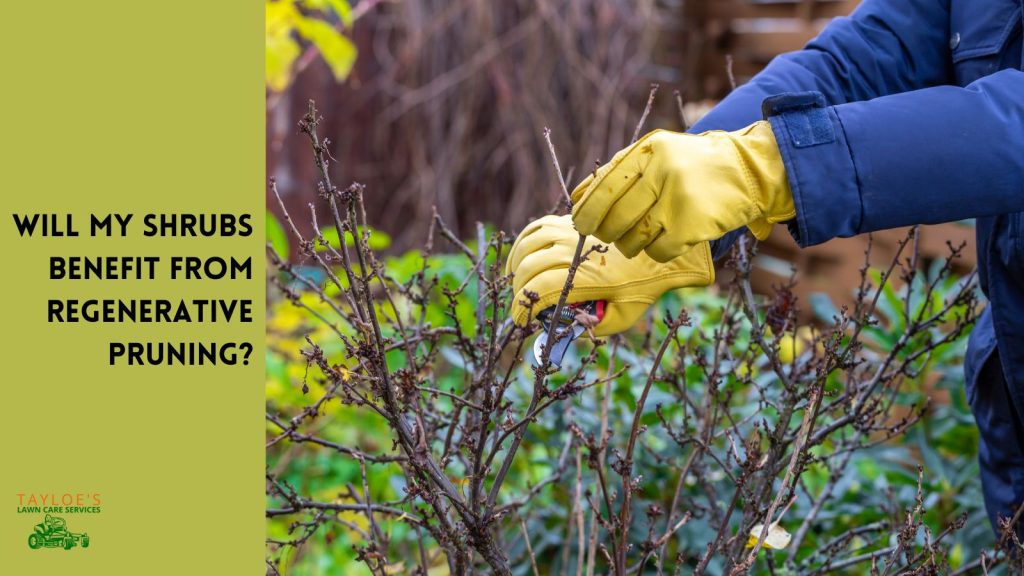
Pruning and shaping
Soft Touch Holly naturally forms a rounded shape and rarely needs pruning. When shaping is desired, it should be minimal.
Best practices:
- Light touch-up pruning in late spring
- Remove small flyaways, not deep cuts
- Never shear aggressively like boxwood
Because it maintains shape so well, homeowners often find they trim far less than expected.
Common issues and how to prevent them
Soft Touch Holly is generally trouble-free but benefits from reasonable cultural care.
Yellowing or thinning foliage may occur due to:
- Prolonged soggy soil
- Deep planting
- Poor airflow
The fix:
- Improve drainage
- Avoid crowding
- Maintain mulch at 2–3 inches, but keep mulch pulled back from the trunk
Holly are more resilient than many compact evergreens, but they still appreciate thoughtful placement.
When to plant Soft Touch Holly in NC
Ideal planting windows:
- Fall (best) — cooler soil encourages strong root growth
- Early spring — easy establishment before heat arrives
Planting during midsummer is possible but requires close watering attention until roots settle.
Soft Touch Holly combinations that elevate curb appeal
To create layered, visually appealing beds, Ilex crenata pairs beautifully with:
- Loropetalum
- Crape Myrtle
- Knock Out Roses
- Abelia
- Forever Goldy Arborvitae
- Encore Azaleas (in filtered sun)
The deep green foliage provides balance against larger or flowering shrubs.

Soft Touch Holly gives structure, beauty, and reliability with minimal effort
Ilex crenata is a compact, humidity-tolerant evergreen ideal for foundation plantings, borders, and entryway groupings in Eastern NC landscapes. With proper spacing, careful watering during establishment, and thoughtful placement, it keeps its shape, color, and health year-round with minimal maintenance.
For homeowners seeking dependable curb appeal without constant trimming, Soft Touch Holly is one of the best choices available. Need a hand with finding the healthiest Ilex crenata and installing it? Call or text Tayloe’s Lawn Care Services for Ahoskie, Aulander, and Murfreesboro, NC homeowners.
Author Profile

- Deborah Tayloe is the CEO and co-founder of Tayloe's Lawn Care Services, LLC. She has a B.S.Ed and holds certificates in soil and water management and herbology from accredited programs.
Latest entries
 Trees and ShrubsOctober 19, 2026Soft Touch Holly: A compact evergreen for seasonless greenery
- GardeningOctober 12, 2026When can I plant knockout roses in eastern North Carolina?
- Herb GardenSeptember 1, 2026What fall vegetables should you grow in NE NC?
- GardeningAugust 25, 2026Best low-maintenance landscaping ideas for NC