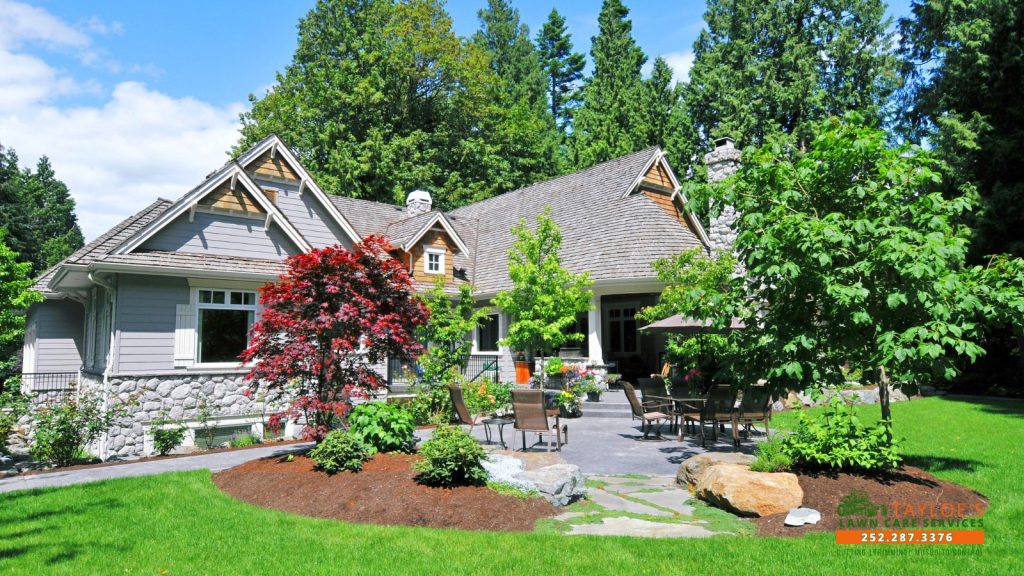
Consider these low-maintenance landscaping tips to dress up your yard.
When homeowners search for the best low-maintenance NC landscaping ideas, they usually want a yard that looks great year-round without constant watering, trimming, pest management, or fertilizer applications. The goal isn’t “no-maintenance” — because such a thing doesn’t exist — but smart landscaping choices that work with our humid climate, clay-influenced soil, and long summers. In Eastern North Carolina, certain plants and layouts thrive with minimal effort, while others demand time and money just to stay alive.
Below, you’ll find realistic, sustainable landscape ideas perfect for our region — the kind we install for clients who want beauty without weekly yard work.
Why low-maintenance landscaping works so well in North Carolina
Our region has:
- Long, humid summers
- Mild winters
- High rainfall that arrives unpredictably
- Clay-dominant soils that hold moisture
- Intense sun exposure in summer months
These conditions reward plants that:
- Tolerate heat and humidity
- Are drought-tolerant once established
- Do not require constant trimming
- Can handle soil moisture swings
- Resist fungal pressure and pests
A successful low-maintenance landscape isn’t one that needs nothing — it’s one that thrives with minimal inputs beyond establishment.
Idea #1 — Use evergreen “bones” for structure, and fill only where needed
Evergreens are the foundation of any low-maintenance landscape because they:
- Stay green through winter
- Require limited trimming
- Anchor the appearance of your home
Best choices for Northeastern NC:
- Soft Touch Holly: Compact, naturally rounded, minimal trimming
- Green Giant Arborvitae: Tall privacy plant, low maintenance once established
- Forever Goldy Arborvitae: Narrow footprint, bold color, minimal pruning
- Wax Myrtle: Tolerant of wet and dry conditions
- Oakland Holly: Structured, upright shape, drought-tolerant
When planted in balanced groupings, evergreens cut landscape work by 60–70%, because you’re not fighting seasonal die-off or reshaping messy growth.
Idea #2 — Swap high-maintenance shrubs for reliable, heat-tolerant ones
Skip shrubs that demand constant shaping, disease prevention, or deadheading.
Great shrub alternatives include:
- Loropetalum: Rich purple foliage, fast growing, responds to light shaping
- Abelia: Blooms through heat, virtually no disease problems
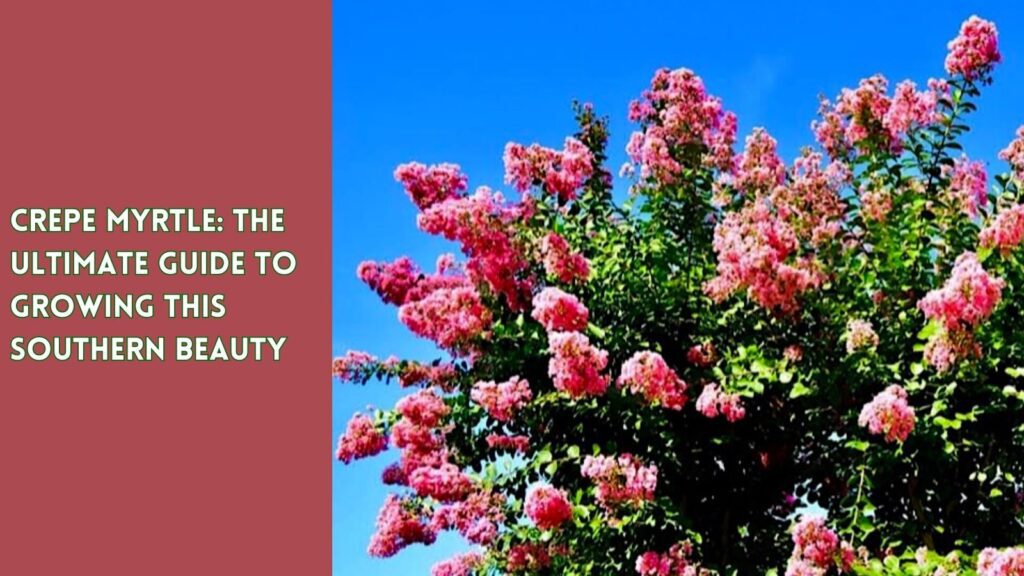
- Crape Myrtle (mid-sized varieties): Structure + color with minimal work
- Nandina (dwarf cultivars): Evergreen color with fall and winter interest
These shrubs look good without weekly attention, and they handle both drought and humidity well.
Idea #3 — Use foundation beds that are wide, not shallow
A shallow 2-foot-deep planting bed traps plants in cramped, sun-baked soil.
A wider bed (4–6 feet deep) allows:
- Better airflow
- Room for mulch
- Improved irrigation penetration
- Plant spacing that prevents disease
Wider bed = less work, not more.
This also improves curb appeal by giving the landscape balance instead of a “stuck to the house” look.
Idea #4 — Mulch correctly to reduce weeding and watering
Mulch is one of the highest ROI steps in low-maintenance landscaping.
Benefits:
- Reduces weeds by blocking sun exposure
- Retains moisture to reduce watering
- Moderates soil temperature
- Protects roots from heat
- Prevents soil compaction
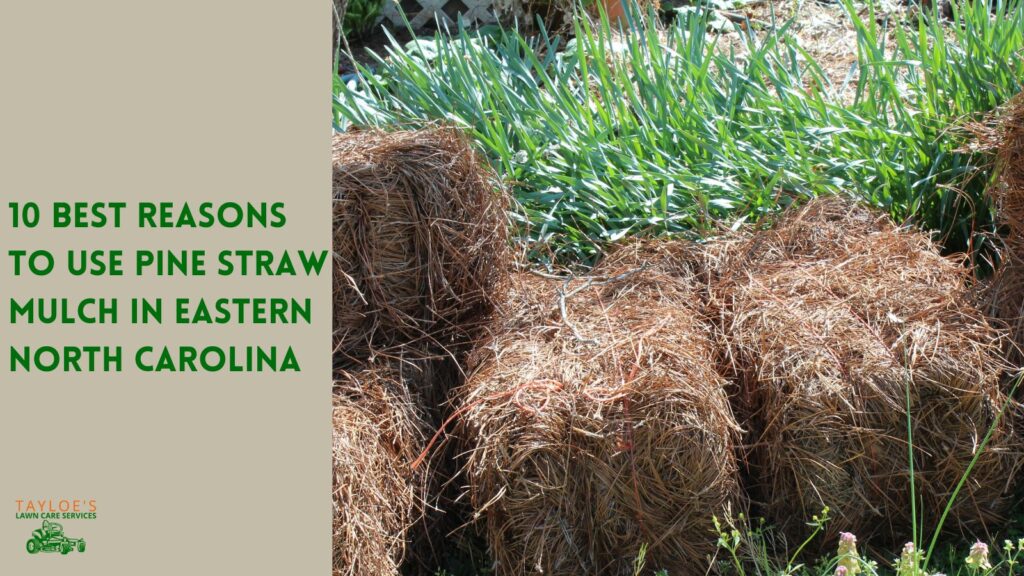
Use 2–3 inches of mulch (not 5–6 inches).
Keep mulch several inches away from shrub trunks.
Pine straw and shredded hardwood mulch are the best for our region.
Idea #5 — Choose drought-tolerant groundcovers instead of bare soil
Bare soil invites weeds.
Groundcovers that work exceptionally well include:
- Liriope: Handles everything — heat, drought, clay
- Ajuga: Fills gaps, minimal trimming
- Creeping Jenny (moist sites): Perfect for part shade
These groundcovers reduce maintenance because they shade soil and prevent weed germination.
Idea #6 — Put flower color where you enjoy it most, not everywhere
A common homeowner mistake is scattering flowers across beds, then struggling to water, weed, and fertilize all of them.
Low-maintenance strategy:
- Concentrate flowers near entryways, patios, walkways
- Use structural shrubs everywhere else
- Keep annuals in defined clusters
You get the same (or even more) color with far less work.
Great low-maintenance flowers for NC:
- Lantana
- Coreopsis
- Gaillardia
- Perennial salvia
Annuals can be added for accents, but they shouldn’t dominate the landscape.
Idea #7 — Make plant choices that like our soil
Clay soils frustrate homeowners, but certain plants love clay or tolerate it with minimal amendment.
Examples:
- Loropetalum
- Soft Touch Holly
- Wax Myrtle
- Abelia
- Crape Myrtle
Choosing clay-tolerant shrubs eliminates constant soil amendment work.
Idea #8 — Install privacy the smart way with narrow evergreens
Many privacy screens are high-maintenance because they’re planted too close and require frequent shaping.
The low-maintenance option:
- Green Giant Arborvitae spaced correctly
- Forever Goldy for narrow gaps
- Wax Myrtle for natural-looking borders
Spacing prevents disease and reduces pruning.
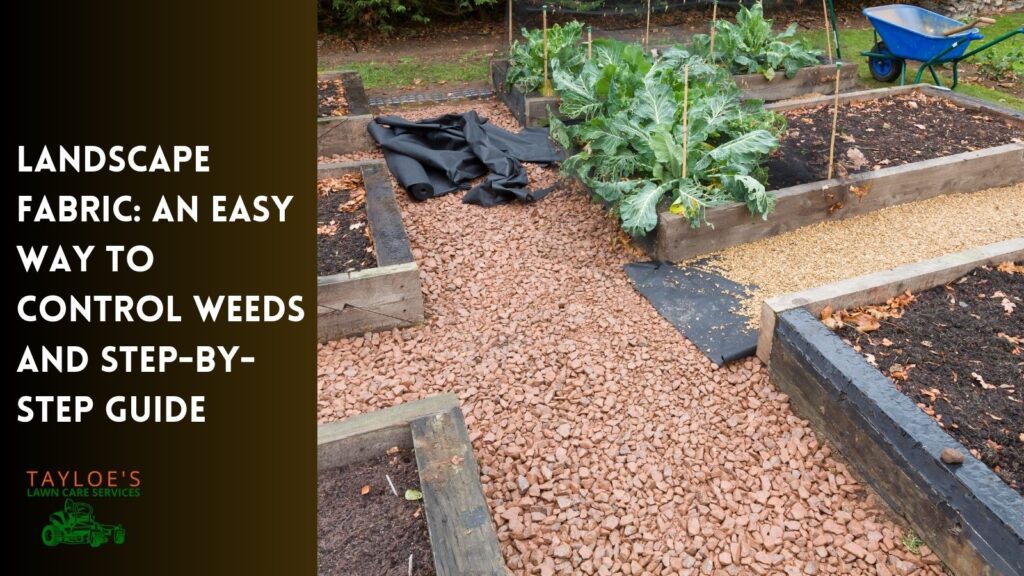
Idea #9 — Use raised beds for vegetables, not scattered plantings
Scattered vegetables = constant weeding.
A raised bed offers:
- Better drainage
- Easier soil conditioning
- Cleaner edges
- Far less weeding
Fall vegetables (especially in NE NC) thrive with less work than summer gardens.
Idea #10 — Let mulch overtake edging battles
Plastic edging and rock edging look good at installation but require frequent cleaning, weeding, and realignment.
Mulch edging with soft curves:
- Requires less trimming
- Looks natural
- Heals visually as plants establish
It is cleaner and far lower maintenance.
Idea #11 — Water deeply, not frequently
The best low-maintenance landscapes use deep, infrequent watering.
Why it matters:
- Deep watering builds deep roots
- Deep roots reduce heat stress
- Less watering means less fungal disease
Shallow daily watering is the enemy of low-maintenance yards.

Choose low-maintenance landscaping ideas, and your yard practically cares for itself
The best low-maintenance NC landscaping ideas come from matching plant choices and layouts to our climate — evergreen structure, clay-tolerant shrubs, smart bed width, concentrated floral accents, healthy mulch, and deep watering. When you pick plants that thrive naturally, you spend less time trimming, weeding, and watering — and more time enjoying a landscape that looks effortless year-round.
Author Profile

- Deborah Tayloe is the CEO and co-founder of Tayloe's Lawn Care Services, LLC. She has a B.S.Ed and holds certificates in soil and water management and herbology from accredited programs.
Latest entries
 Herb GardenSeptember 1, 2026What fall vegetables should you grow in NE NC?
- GardeningAugust 25, 2026Best low-maintenance landscaping ideas for NC
- FaunaAugust 4, 2026Should you scoop dog poop before the lawn care technician arrives?
- Trees and ShrubsJuly 28, 2026Fast growing privacy plants that thrive in NC humidity