Try these fast-growing privacy plants for a natural barrier.
If you’re looking for fast-growing privacy plants that thrive in NC humidity, the good news is there are several reliable shrubs and trees that handle our long summers, afternoon thunderstorms, and clay-based soils extremely well. Whether you have neighbors close by, a pool to screen, or a backyard where you want a sense of seclusion, the keys to success are choosing humidity-tolerant species and planting them with the right spacing and soil preparation.
This guide walks you through the best fast-growing privacy plants for Eastern North Carolina, what makes each one successful, and how to install them in a way that delivers dense coverage without long-term maintenance headaches.
What to look for in a reliable privacy plant
Not every fast grower is a good choice. In our climate, privacy plants need to meet specific criteria:
- They must tolerate humidity and frequent summer rainfall
- They should resist fungal pressure
- They must handle clay or clay-amended soils
- They should grow upright and dense
- They should withstand heatwaves without dropping leaves
When a plant checks all of those boxes, it provides long-lasting privacy without ongoing struggles.
Leyland Cypress — Best for Tall, Dense Screens
Leylands are one of the fastest-growing privacy plants in our region. They’re soft-textured evergreens that can reach 40–60 feet tall over time, though most homeowners maintain them around 20–30 feet.
Why they work so well here
Leylands thrive in humid conditions and handle heavy rainfall better than most conifers. They develop dense foliage that forms a reliable barrier against neighbors, roadways, and wind.
Where to use them
- Long property lines
- Large yards
- Areas needing tall coverage
Important tip
Space them generously — 10 to 12 feet apart — to allow airflow and prevent crowding later.
Green Giant Arborvitae — Excellent Height Without Overwhelming Width
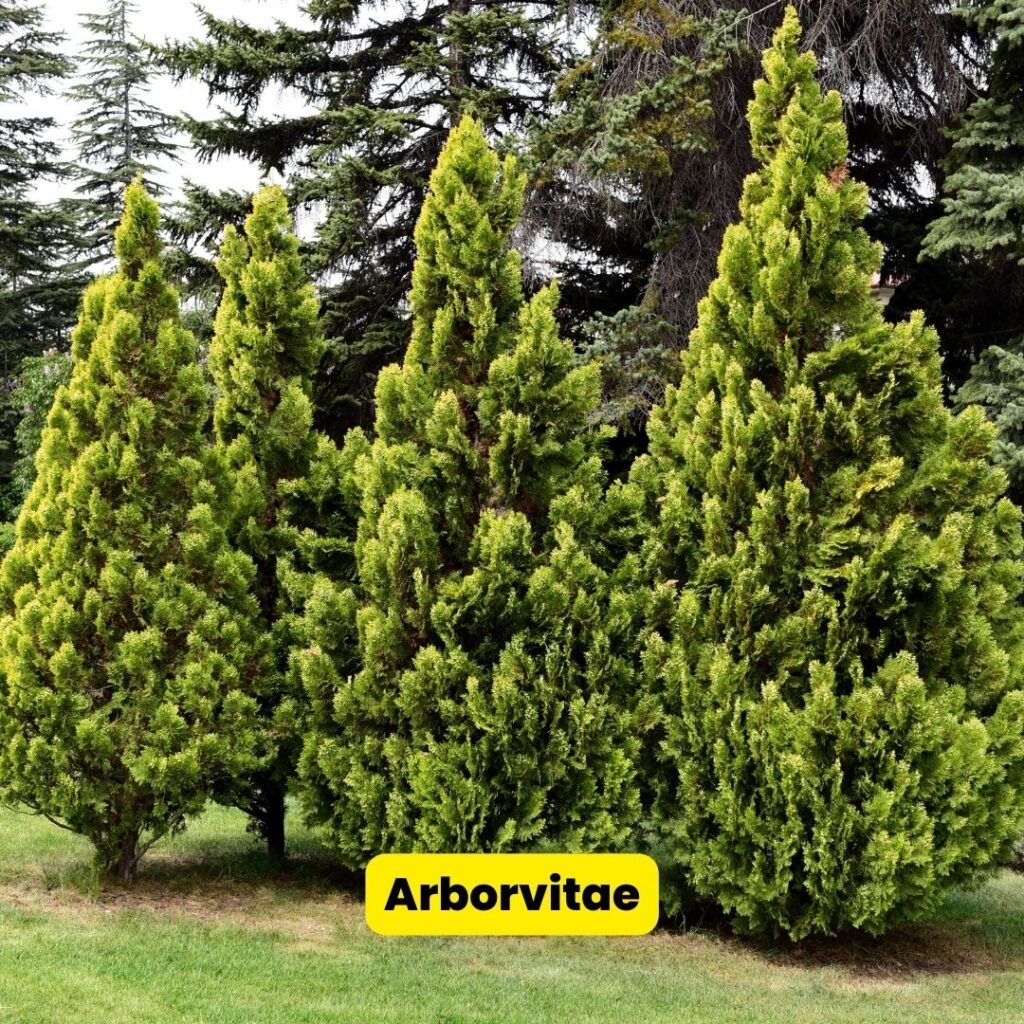
Green Giant Arborvitae offers the tall coverage Leylands give, but with a softer, uniform form. They grow fast (3–5 feet per year as juveniles) and stay naturally narrow, making them great for privacy in more confined spaces.
Why they love NC humidity
Green Giants resist fungal disease and stay deep green even during the hottest weeks of July and August.
Ideal placements
- Along fences
- Between houses
- Screening pools or patios
They’re a great fit when you want privacy that doesn’t consume the entire yard.
Forever Goldy Arborvitae — Privacy Plus Color
While many privacy plants are deep green, Forever Goldy offers a golden color that stays vibrant year-round. Homeowners looking to soften long privacy lines appreciate the visual lift it provides.
Why it thrives here
It handles humidity and clay soils very well when planted correctly, and its narrow footprint makes it a good fit where space is tight.
Best uses
- Against neutral-colored homes
- As privacy for small backyards
- Next to outdoor living spaces
When you want privacy with personality, Forever Goldy is an exceptional choice.
Crape Myrtle — Privacy with Summer Color
Most homeowners think of crape myrtles as flowering trees, not privacy plants. But mid- to tall-sized varieties (15–25 feet) work very well along property lines where visual obstruction is desired.
Why these fast growing privacy plants thrive in humidity
They bloom during peak humidity when many other trees look tired. Their multiple trunks and dense summer foliage create a sense of privacy that feels natural and attractive.
Best placements
- Along fences
- Bordering patios
- Creating “soft” privacy zones
For homeowners who want privacy without a wall of evergreen foliage year-round, crepe myrtles provide beauty and function.
Wax Myrtle — Outstanding for Coastal & Humid Conditions
Wax Myrtle is one of the toughest privacy plants available, especially in humid soils. It has a fast growth rate and forms dense greenery that responds well to trimming if you want a hedge effect.
Why it excels in Eastern NC
Wax Myrtle thrives in:
- Wet soils
- Humid conditions
- High heat
- Poor or compacted ground
It’s a favorite for lake and pond edges as well as general property screening.
Hollies (Nellie Stevens & Oakland) — Structured Privacy With Low Maintenance
Hollies are slower-growing than Leylands, but once established they become dense, disease-resistant, and extremely humidity tolerant.
Why they succeed here
Hollies don’t yellow, wilt, or lose coverage during humidity spikes. Their branching habit stays compact, which makes them great for smaller yards or formal screening.
Where they shine
- Near patios or porches
- Against brick homes
- As corner anchors
Nellie Stevens Holly in particular builds height steadily, and Oakland Holly offers a refined pyramidal shape.
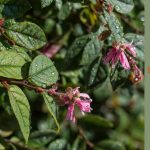
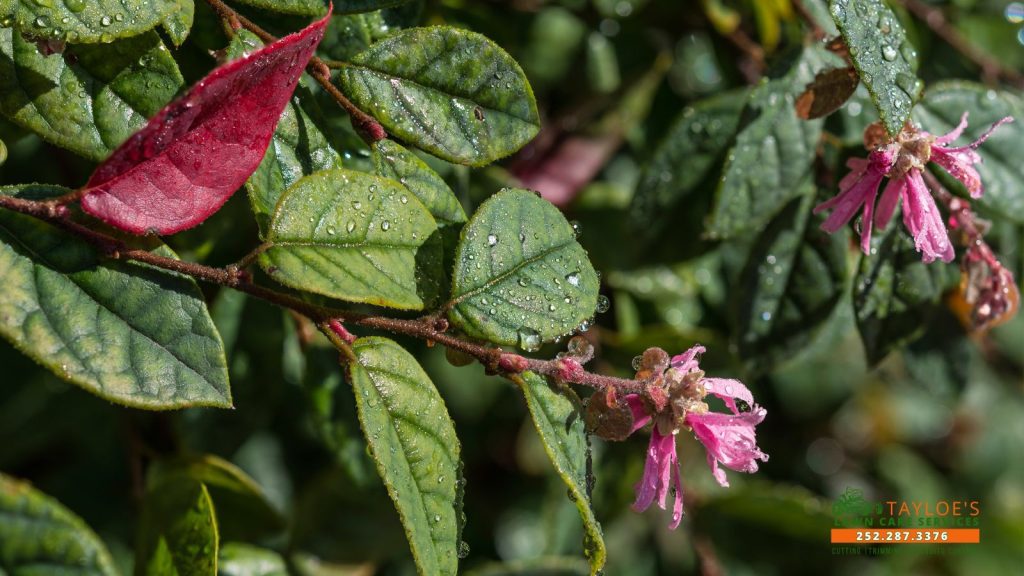
Loropetalum — Fast-Growing Colorful Privacy in Small to Medium Spaces
Loropetalum is a surprising but excellent privacy plant when taller cultivars are chosen. Deep burgundy foliage provides rich contrast that complements green lawns beautifully.
Why it loves humidity
Born to handle heat, Loropetalum maintains foliage quality even on 95-degree days.
Best applications
- Separating outdoor sitting areas
- Making a privacy border at 6–10 feet tall
- Softening the look of fencing
This is one of the most attractive privacy shrubs for homeowners who love ornamental landscaping.
Designing your privacy row for long-term success
To keep privacy plants successful through Eastern NC humidity, installation matters as much as plant selection.
The key principles
- Plant where roots receive drainage, not standing water
- Don’t crowd plants — airflow matters
- Water deeply for the first 4–6 weeks
- Mulch to stabilize soil moisture
Humidity doesn’t harm these plants — lack of airflow and improper watering do.
When to plant privacy plants in NC
Most homeowners think spring is the only planting time, but our climate allows flexibility. The best planting windows are:
- Fall (best) — mild soil encourages rooting
- Early spring (very good)
- Early summer (acceptable if watered properly)
Avoid late-summer planting when the heat is brutal and rainfall is inconsistent.

Choose humidity-tolerant fast growing privacy plants built for NC’s climate
Fast-growing privacy plants that thrive in NC humidity are the key to long-lasting screening without constant replacements. Leyland Cypress, Green Giant Arborvitae, Forever Goldy, Wax Myrtle, hollies, crepe myrtles, and loropetalum all succeed when planted with proper spacing, deep watering during establishment, and natural airflow. With the right species and setup, you’ll gain seclusion, comfort, and beauty — and the results only get better with time.
Author Profile

- Deborah Tayloe is the CEO and co-founder of Tayloe's Lawn Care Services, LLC. She has a B.S.Ed and holds certificates in soil and water management and herbology from accredited programs.
Latest entries
 Herb GardenSeptember 1, 2026What fall vegetables should you grow in NE NC?
- GardeningAugust 25, 2026Best low-maintenance landscaping ideas for NC
- FaunaAugust 4, 2026Should you scoop dog poop before the lawn care technician arrives?
- Trees and ShrubsJuly 28, 2026Fast growing privacy plants that thrive in NC humidity