Timing is everything in breaking the grub & beetle life cycle.
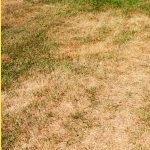
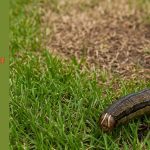
If you’re searching for grub and beetle control in NC, you’re most likely dealing with thinning turf, yellow patches, spongy soil, or increased bird and mole activity. These symptoms often appear in Eastern North Carolina lawns during summer and early fall, and homeowners are left wondering what’s causing the damage and how to stop it. The issue is rarely the beetles alone — it’s the grub stage beneath the surface chewing on the roots of your grass. Controlling grubs at the right stage, and in the right season, is the key to preventing serious lawn decline.
This guide explains what works here in our climate, how to identify grub damage, and which products and strategies truly make a difference.
Understanding the grub–beetle cycle
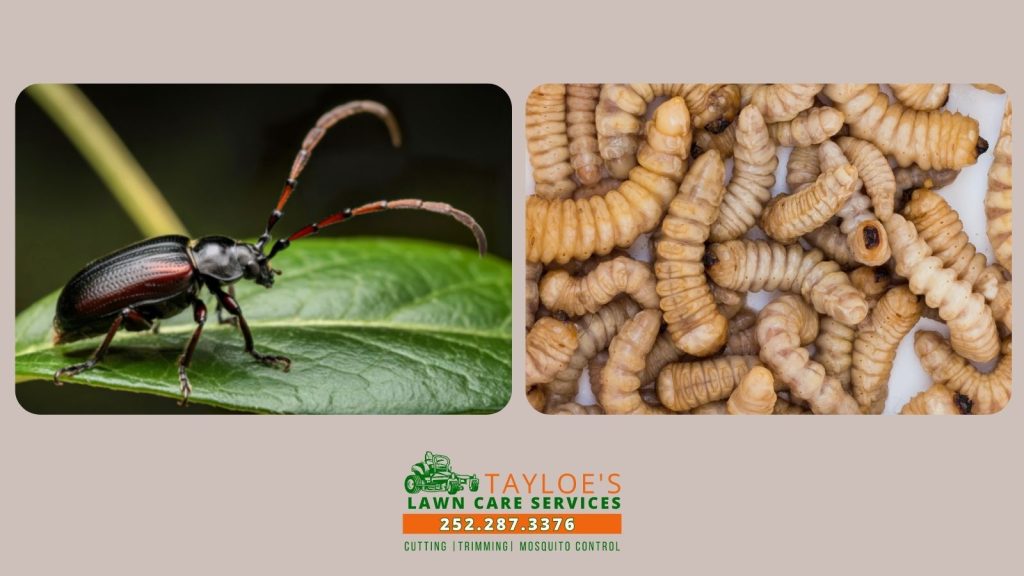
The most important part of grub control is understanding timing. Grubs are the larval stage of beetles. The beetles fly above ground, lay eggs, and those eggs become grubs that feed on turf roots.
The cycle works like this:
- Beetles emerge in late spring through mid-summer
- Beetles lay eggs in turf
- Eggs hatch into grubs in late summer
- Grubs feed heavily on grass roots from late summer through fall
- Grubs overwinter in soil and emerge as beetles the next summer
The key takeaway:
You don’t fight beetles to save turf — you fight grubs before they get large.
Why NC lawns are especially vulnerable
Our warm soil makes grub survival easier, especially in:
- Lawns with good irrigation
- Clay-influenced soils
- Beds near trees and shrubs
- Properties with Bermuda or Zoysia
Turf weakened by heat stress or shallow roots becomes even more vulnerable. That means grub management isn’t just elimination — it’s turf health, timing, and prevention.
How to recognize grub damage
Grub damage often gets mistaken for drought or fungus. But grubs have their own distinctive signs.
What homeowners typically notice:
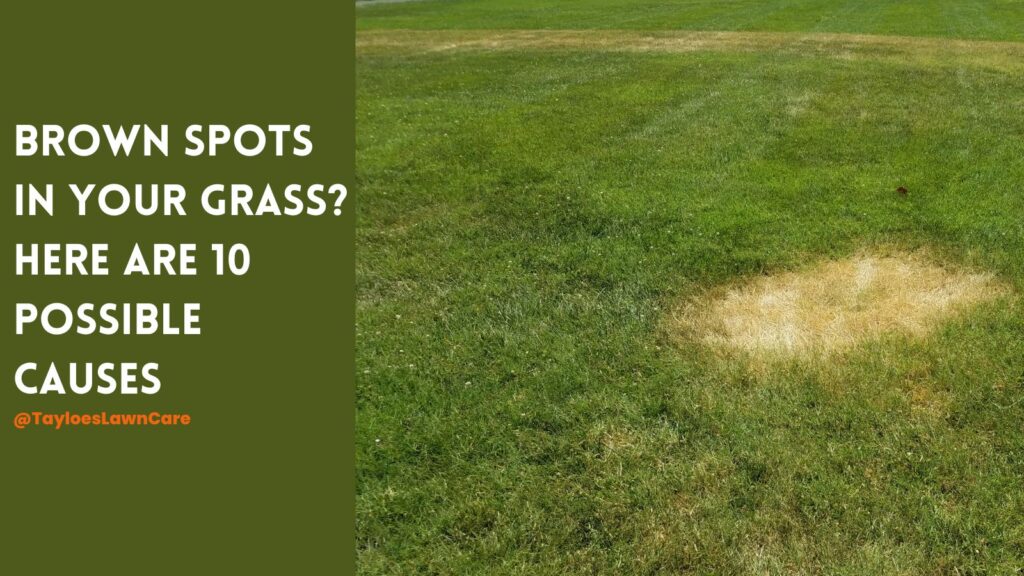
- Yellowing turf that does not respond to watering
- Turf that feels spongy underfoot
- Sections of lawn that lift like carpet
- Birds pecking frequently in the same area
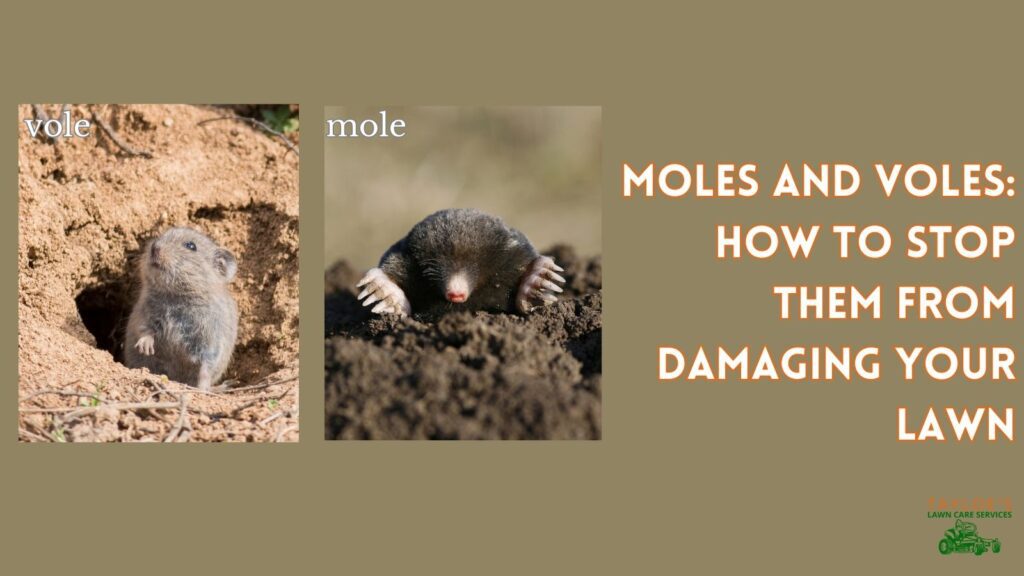
- Moles or voles tunneling
The “carpet test” is the most telling:
If you can lift the turf and see brown roots (or no roots at all), grub activity is likely.
When to treat grubs in NC — timing matters more than product
The biggest grub control mistake NC homeowners make is treating at the wrong time.
Prevention window (best timing)
- June through mid-July
- During the beetle egg-laying period
- Before grubs hatch
Preventive products work by stopping grubs before they become damaging root-eaters.
Curative window (last resort)
- Late August through October
- When grubs are large and actively feeding
Curative treatments work, but require precision and often follow-up care.
What actually works in NC — product categories that get results
Two broad categories exist:
1) Preventive treatments (best approach)
Best applied in June–July.
These products target eggs and newly-hatched grubs before damage begins. They’re highly effective when timed properly.
Common active ingredients:
- Imidacloprid
- Chlorantraniliprole (one of the safest and most effective)
When used correctly, preventive treatments can stop grubs before they ever feed.
2) Curative treatments (when you must fight damage)
Used late-summer into fall.
These target actively feeding grubs but require careful application and watering-in.
Curative ingredients include:
- Carbaryl
- Trichlorfon
These are stronger chemical options and should not be over-applied.
Why treating beetles alone doesn’t work
Beetle sprays only kill the adult stage — not the root-damaging stage.
Many homeowners are sprayed incorrectly when they see Japanese beetles flying, assuming the flying insects are the true threat.
Truth: Grubs do 99% of the lawn damage.
Beetles are only visible because they fly.
Grubs are hidden but far more destructive.
Spraying beetles without grub treatment is like treating smoke instead of the fire.
Japanese beetles vs lawn health — what matters
Japanese beetles are the most common beetle in our region. They skeletonize ornamental plants, roses, and fruit trees, but their larvae are what destroy lawns.
Important distinction:
- Adult beetles eat leaves — a cosmetic issue
- Grubs eat roots — a lawn health issue
Beetles become visible in June, but the problem to attack is grubs in the soil starting late summer.
Step-by-step grub & beetle control strategy that works here
Here is the simplest and most effective approach:
Step 1 — Preventive treatment (June–July)
Apply a product with imidacloprid or chlorantraniliprole.
Water it in so it works through the soil.
Step 2 — Monitor turf health through late July & August
Watch for:
- Spongy feel
- Yellowing patches
- Birds pecking
Step 3 — Apply curative treatment only if symptoms appear
Use curative chemistry early, not late
Follow label instructions carefully.
Step 4 — Deep watering helps turf recover
Strong roots support turf even when some root feeding has occurred.
Soil health matters — grubs attack weak roots first
Healthy turf tolerates modest grub feeding without collapse.
Weak turf collapses quickly even with minor grub presence.
To improve resilience in Eastern NC:
- Deep, infrequent watering
- Proper mowing heights
- Aeration to relieve compaction
- Correct seasonal fertilization
Grub control is not just pest control — it’s turf empowerment.
Why DIY internet grub solutions fail here
Common myths that don’t work in NC:
- Dawn dish soap drenches
- Garlic solutions
- Pouring beer into tunnels
- Vague “organic grub repellent” products
These may work in loamy northern soils at isolated moments.
They do not work in North Carolina clay, and do not break egg or early larval cycles.
Homeowners lose entire sections of turf trying these ideas.
When the goal is prevention, timing and proven chemistry matter more than gimmicks.
Safety considerations
When used at label rates:
- Preventive grub treatments are safe for pets after drying
- Curative treatments require more caution but are manageable
- Watering-in improves effectiveness and safety
Children and pets should stay off treated areas until they dry.
When professional help is necessary
Call in help when:
- Damage affects large areas
- Turf can be lifted like carpet
- You’re unsure what chemical classification to use
- The lawn has multiple stressors simultaneously (heat + compaction + grubs)
A professional can determine whether to use preventive, curative, or recovery treatments.
Related Reading:

Grub & beetle control in NC succeeds when timing, product choice, and lawn health work together
Effective grub and beetle control in NC isn’t about chasing beetles — it’s about preventing grubs before they eat turf roots. When treatments are applied during the correct window, watered in properly, and supported with strong turf health practices, you can avoid widespread lawn decline, yellowing, and spongy soil. The key is timing first, chemistry second, and turf strength third — and when those elements align, your lawn can handle beetle season with confidence.
If beetle control is a concern, leave it to our NC Department of Agriculture-certified professionals. Book our services by calling 252.287.3376.
Author Profile

- Randy Tayloe is the COO of Tayloe's Lawn Care Service, LLC. He is a certified custom applicator, recognized by the North Carolina Department of Agriculture Pesticide Division. A native of Bertie County, NC, and graduate of Bertie High School, he wants to beautify his home county - one yard at a time.
Latest entries
 Lawn CareOctober 5, 2026Signs of lawn disease in NC
- Lawn CareSeptember 29, 2026Lawn care disasters to avoid (especially in our climate)
- Pest ControlSeptember 22, 2026How long do mosquitoes stay active in NC?
- Pest ControlSeptember 16, 2026Getting rid of armyworms