
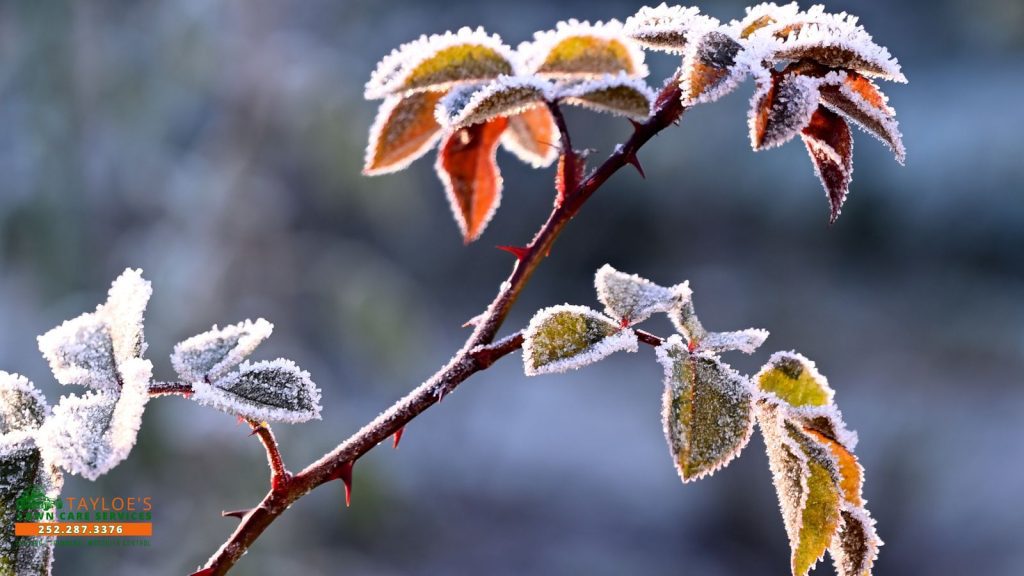
The garden bed requires just minimal care in the cold weather.
When you’re looking for winter garden bed tips for NC, the goal is simple: protect your soil, preserve your perennials, and set the stage for healthier spring growth. Winter in eastern North Carolina is unpredictable—some weeks feel like late fall, others bring hard freezes. A little preparation now keeps your garden beds thriving, reduces spring cleanup, and prevents winter damage that can wipe out plants overnight.
These are the most effective steps for maintaining your garden beds through December, January, and February in Bertie and Hertford counties.
Clean Out Old Growth and Spent Plants
Before winter settles in, remove anything dead, diseased, or spent. This step is crucial for reducing pests and fungal issues that overwinter in debris.
Focus on:
- Annuals that have completed their life cycle
- Dried vegetable vines
- Any plants with suspicious spots or mildew
- Fallen seed heads that can create unwanted reseeding
Avoid removing healthy perennial stems entirely—many of them protect the crown from freeze damage. Just trim lightly to clean things up.
A clean start is one of the most important winter garden bed tips for NC because it prevents early-spring pest explosions.
Add a Fresh Layer of Mulch
Mulch is your garden’s winter blanket. It insulates roots, protects soil biology, and reduces the freeze–thaw cycles that push plants out of the ground.
Ideal mulch depth:
- 2–3 inches for perennials
- 3–4 inches for shrubs or shallow-rooted plants
Be sure to pull mulch back from the base of trunks and stems to avoid rot.
Mulching also prevents winter weeds, which grow aggressively in our climate even when temperatures drop.
Protect Root Systems from Temperature Swings
NC winters fluctuate wildly—60° one day and 22° the next. This stresses root systems and can cause freeze damage deeper than you’d expect.
To protect roots:
- Keep soil consistently moist (not soaked)
- Add mulch before the first hard freeze
- Consider a fabric frost cloth for vulnerable plants
If your beds stay exposed to wind, simple windbreak barriers (burlap, lightweight fencing) help retain warmth and prevent moisture loss.
Use Frost Cloth on Tender Perennials and New Plantings
Some perennials tolerate cold well. Others struggle—even if they’re technically “hardy.” Tender varieties, like gardenias, hydrangeas, rosemary, and young shrubs, benefit greatly from frost protection.
Use frost cloth when:
- A freeze follows warm weather
- Ice is in the forecast
- Temps drop below 28°F for extended hours
Avoid plastic coverings. Plastic traps moisture and can burn foliage.
Frost cloth is one of the top winter garden bed tips for NC because it gives your plants a buffer during sudden cold snaps.
Water Winter Garden Beds Before a Freeze—Not After
This tip surprises some homeowners, but watering before a freeze protects plants.
Why it works:
- Moist soil holds heat better than dry soil
- Hydrated roots resist freeze damage
- Plants maintain internal moisture during cold stress
However, skip watering after a freeze. Cold, waterlogged soil suffocates roots and slows recovery.
Aim to keep root zones evenly moist throughout winter, especially if we get a few dry weeks in January or February.
Divide Perennials and Relocate Plants
Winter is the ideal time to divide many perennials in North Carolina.
Best candidates:
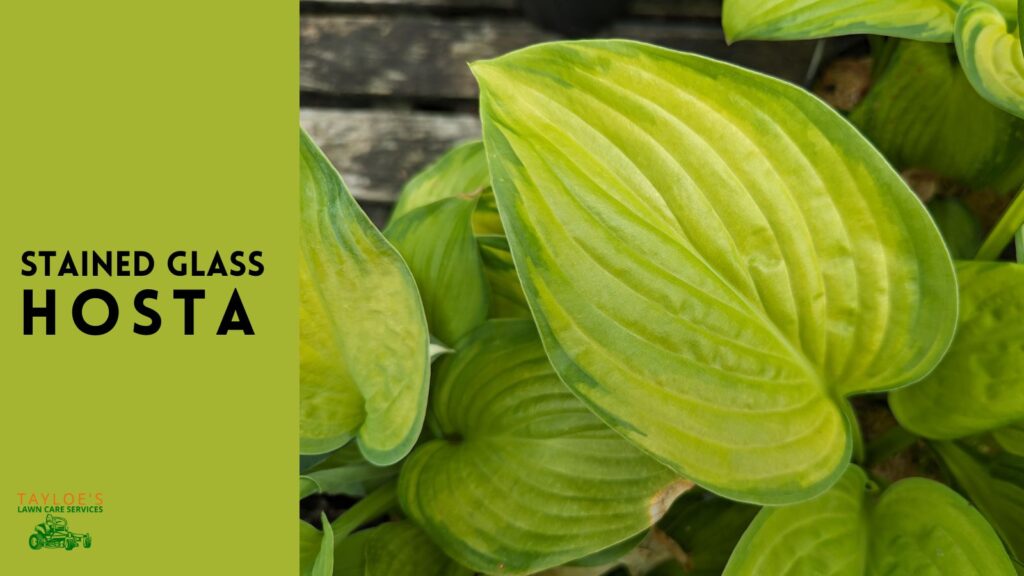
- Hostas
- Daylilies
- Black-eyed Susans
- Shasta daisies
- Ornamental grasses
The plants are dormant, making the move easier and less stressful. Dividing in winter gives them time to settle before spring growth starts.
This also helps shape garden beds and prevent overcrowding—another core part of winter garden bed tips for NC homeowners who want predictable spring success.
Improve Soil Health While Plants Are Dormant
Winter is prime time to build soil quality without disrupting active plant growth.
Consider:
- Mixing in compost
- Adding leaf mold
- Applying organic matter
- Testing soil pH
If pH is off, winter is the perfect time to correct it. Lime and sulfur work slowly, so applying them now means your soil will be balanced once spring arrives.
Healthy soil now means less fertilizer needed later—and stronger plants overall.
Plant Winter-Hardy Vegetables and Ornamentals
Many homeowners don’t realize how much actually thrives here during winter. Our mild climate allows cool-season veggies and winter ornamentals to flourish.
Great choices for NC:
- Kale
- Collards
- Cabbage
- Broccoli
- Leeks
- Spinach
- Pansies
- Violas
- Dianthus
- Ornamental cabbage/kale
Adding winter color boosts curb appeal while keeping your soil productive.
These plantings also protect exposed soil from erosion—one of the more surprising but practical winter garden bed tips for NC landscapes.

Remove or Manage Thick Leaf Layers
While shredded leaves create fantastic compost, thick, matted leaf layers suffocate winter beds and trap too much moisture.
Remove or thin leaves when:
- They form a heavy blanket over perennials
- They sit wet for more than a week
- They promote fungus or slime on the soil
Turn heavy leaves into mulch instead by shredding them with a mower—they break down faster and nourish the soil without smothering plants.
Treat and Prevent Winter Weeds
NC winter weeds germinate fast, especially chickweed, henbit, bittercress, and wild onion. They grow aggressively in January and February.
To stay ahead:
- Hand-pull small outbreaks before seed set
- Apply a winter-safe post-emergent
- Maintain mulch depth
A little prevention now prevents a huge spring cleanup later.
Prune Strategically—Never Too Early
Pruning is part of winter bed maintenance, but timing matters. Prune only the shrubs and perennials that should be pruned in winter.
Good winter candidates:
- Crepe myrtles
- Roses (late winter)
- Some hydrangeas (depending on bloom type)
- Ornamental grasses
- Fruit trees
Avoid pruning:
- Spring-blooming shrubs (azaleas, forsythia, camellias, etc.)
- Any plant that sets buds in fall
Pruning these too early means losing your spring blooms. When in doubt, leave it—or ask me for guidance. A quick walkthrough saves a season of frustration.
Add Winter Interest with Hardscape Features
Winter is the perfect time to transform or refresh the structure of your garden beds.
Consider:
- Edging
- Pathways
- Gravel borders
- Raised beds
- Stone features
With plants dormant, you can rework the layout without damaging roots or new growth.
Strong structure keeps your beds attractive even when foliage is sparse—an often-overlooked element in winter garden bed tips for NC that makes a big visual impact.

The Takeaway: Winter Garden Bed Tips for NC
Using the right winter garden bed tips for NC keeps your landscape healthier, cleaner, and far better prepared for spring. With simple maintenance—like mulching, proper watering, frost protection, soil improvement, and winter weed control—you can protect your investment and enjoy stronger growth when warm weather returns.
If you’d like help preparing your garden beds for winter or want expert support for pruning, mulching, frost protection, or seasonal cleanup, I’m always here to help or put together a no-hasle estimate. Call me at 252.287.3376.
Author Profile

- Randy Tayloe is the COO of Tayloe's Lawn Care Service, LLC. He is a certified custom applicator, recognized by the North Carolina Department of Agriculture Pesticide Division. A native of Bertie County, NC, and graduate of Bertie High School, he wants to beautify his home county - one yard at a time.
Latest entries
 Pest ControlSeptember 22, 2026How long do mosquitoes stay active in NC?
- Pest ControlSeptember 16, 2026Getting rid of armyworms
- Pest ControlSeptember 8, 2026Grub & beetle control in NC (what works vs. what doesn’t
- Lawn CareAugust 18, 2026Fall lawn prep starts in August in NC