Mosquito season prep now = better population control this summer
Homeowners across Northeastern NC know that mosquito season hits hard — especially in rural areas with ditches, fields, tree lines, standing water, and shaded yards. Preparing early makes a huge difference. If you want to enjoy spring and summer outdoors without constant swatting, the right mosquito season prep for rural homes and properties can dramatically reduce biting insects before they explode in warm weather.
Here’s a complete, homeowner-friendly guide tailored to rural Bertie and Hertford counties, where mosquitoes thrive from late March through October.
Why Rural Properties Get More Mosquitoes Than Suburban Areas
Mosquitoes love rural NC for the same reasons people do: space, moisture, and plenty of vegetation.
Common rural attractants include:
- roadside ditches
- low-lying drainage areas
- animal watering bowls
- wood lines and shaded property edges
- older sheds/outbuildings with moist soil underneath
- high grass or brush around fields
- farm equipment holding rainwater
- natural ponds and swamps
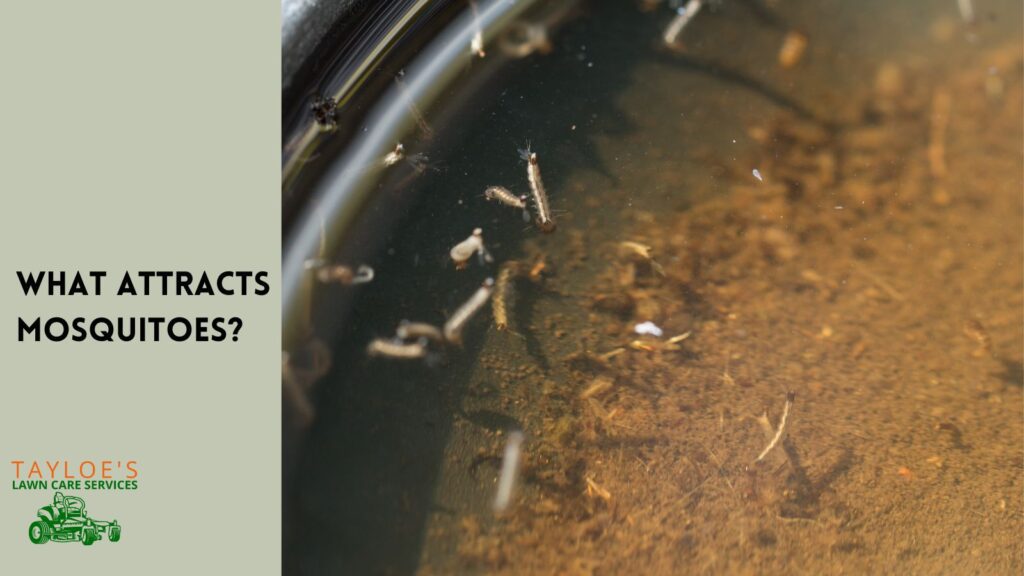
These features create the perfect breeding habitat, and mosquitoes only need one tablespoon of water to lay eggs.
When Mosquito Season Starts in Northeastern NC
In Bertie and Hertford counties, mosquito season begins earlier than most homeowners expect.
Typical cycle:
- Late March: first hatchings
- April–May: population skyrockets
- June–September: peak mosquito pressure
- October: activity slows but doesn’t disappear
A mild winter means the season starts even sooner.
Mosquito Prep Checklist for Rural Properties
The best mosquito prevention starts weeks before you hear the first buzz. These steps stop the majority of breeding before it begins.
1. Remove or Drain Standing Water
This is the single most important step.
Check for water in:
- wheelbarrows
- buckets
- plant trays
- old tires
- boats
- pet bowls
- tarps
- kids’ toys
- gutters
- livestock bowls
- trash can lids
- equipment ruts
If it holds water for 3–5 days, mosquitoes will use it.
2. Grade or Fill Low Spots
Rural yards often have dips that collect rainwater, especially near:
- barns
- sheds
- carports
- fence lines
- farm roads
Filling or gently grading these areas prevents hidden breeding pools.
3. Clean or Treat Ditches
Mosquitoes adore the slow-moving water found in roadside and backyard ditches.
You can help by:
- removing leaves
- cleaning debris
- trimming ditch banks
- ensuring inflow/outflow isn’t blocked
Healthy ditch flow = fewer mosquitoes.
4. Keep Grass Mowed and Edges Managed
Tall grass, overgrown ditches, and brushy field edges make perfect mosquito resting spots.
Weekly mowing and trimming reduce shady, humid hiding areas where adult mosquitoes sit during the day.
5. Clear Vegetation Around Outbuildings
Sheds, barns, playhouses, and carports often have moist, shaded ground beneath them.
Trim back:
- vines
- stacked wood
- brush
- tall weeds
Improved airflow lowers mosquito activity around structures.
6. Refresh Bird Baths Weekly
Bird baths are beautiful — but they hatch thousands of mosquitoes if neglected.
Rinse and refill with fresh water weekly, or add mosquito-safe dunks.
7. Treat Standing Water You Can’t Remove
Some rural properties have:
- retention ponds
- swampy patches
- drainage bowls
- marshy field edges
Add mosquito dunks or granules, which kill larvae but won’t harm fish, pets, or wildlife.
8. Check for Leaky Spigots, Pipes, and Outdoor Faucets
Slow drips create mud pockets that become mosquito nurseries.
Fix leaks early in spring to stop breeding before temperatures rise.
9. Use Outdoor Fans and Airflow Strategies
Mosquitoes are terrible fliers.
Fans help in:
- porches
- patios
- carports
- outdoor seating areas
Moving air cuts biting dramatically.
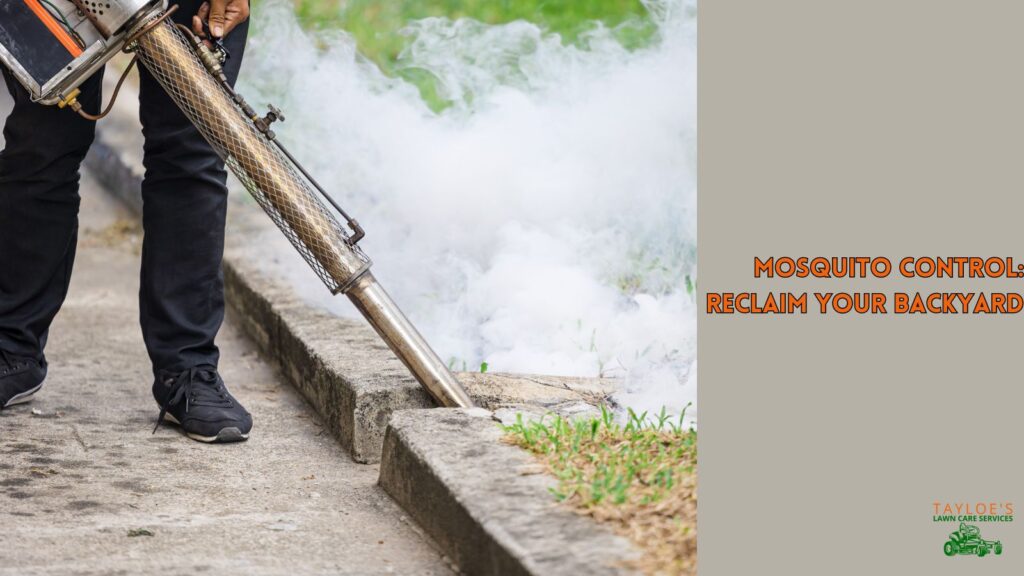
10. Consider a Professional Mosquito Treatment Plan
Rural properties benefit more from routine professional mosquito control than most locations because they have more breeding zones.
A plan typically includes:
- monthly, customized treatments
- larvicide application in problem zones
- perimeter vegetation spraying
- ditch, culvert, and outbuilding perimeter treatment
This keeps mosquito pressure low throughout the season instead of reacting later when the population is massive.
11. Avoid Attracting Mosquitoes to Your Yard
Mosquitoes love:
- standing water
- dense vegetation
- old leaf piles
- piles of debris
- wet mulch
- overflowing gutters
Decluttering your outdoor space denies mosquitoes the humid, shady habitat they prefer.
12. Protect Pets and Livestock Areas
Animal bowls, buckets, and shaded pens become hotspots.
Rotate or refresh:
- water bowls
- troughs
- buckets left outdoors
Keeping these clean prevents fast outbreaks.
13. Strengthen Outdoor Living Areas Before Summer
For people who enjoy porches, grilling areas, or patios, prep early by:
- adding citronella plants or lemongrass
- installing fans
- using yellow bug lights
- reducing clutter
- sealing screens
- trimming vegetation around the seating area
These easy steps improve comfort long term.

The Takeaway: Smart Mosquito Season Prep Makes Rural Living Easier
Getting ahead of the season with smart, realistic mosquito season prep for rural homes and properties can drastically reduce biting insects. Managing standing water, improving airflow, maintaining ditches, and treating high-risk areas all help keep mosquito numbers under control — especially in Northeastern NC’s long warm season.
If you ever need help getting mosquito pressure under control or want a customized plan for your yard, I’m always here to help or provide a quick estimate for our mosquito control service by calling 252.287.3376.
Related Reading:
Author Profile

- Randy Tayloe is the COO of Tayloe's Lawn Care Service, LLC. He is a certified custom applicator, recognized by the North Carolina Department of Agriculture Pesticide Division. A native of Bertie County, NC, and graduate of Bertie High School, he wants to beautify his home county - one yard at a time.
Latest entries
 Lawn CareOctober 5, 2026Signs of lawn disease in NC
- Lawn CareSeptember 29, 2026Lawn care disasters to avoid (especially in our climate)
- Pest ControlSeptember 22, 2026How long do mosquitoes stay active in NC?
- Pest ControlSeptember 16, 2026Getting rid of armyworms