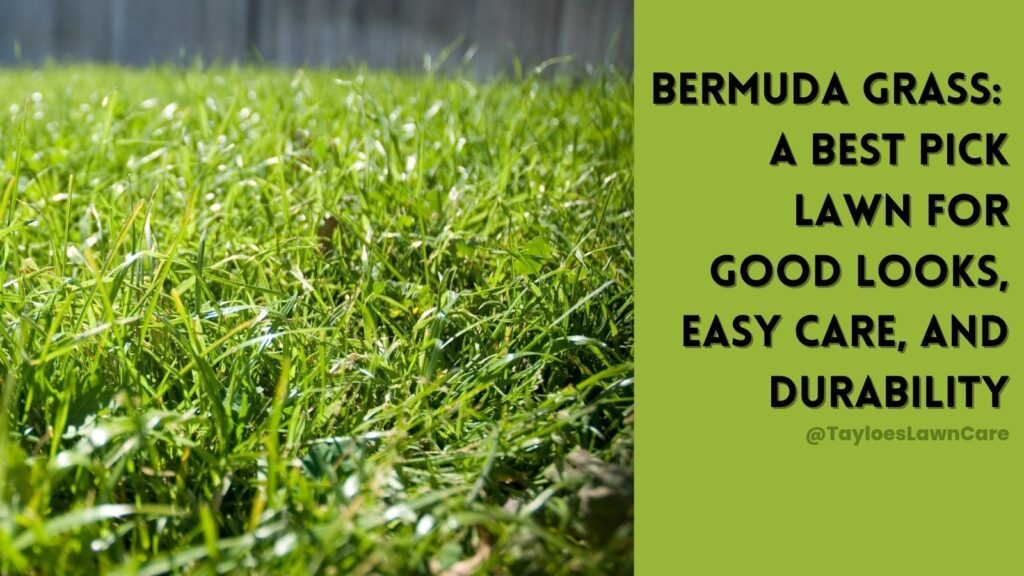

Read our predictions for this year’s lawn care trends.
If you live in Northeastern North Carolina, you already know our lawn care trends don’t always follow the same rules as the rest of the country. Our warm winters, humid summers, sandy-to-clay soil mix, and unpredictable rain patterns mean every year brings new challenges for grass, flower beds, and landscaping.
For 2026, homeowners across Bertie and Hertford counties should prepare for a year shaped by warmer temperatures, higher weed pressure, more insects, and longer growing cycles. Whether you maintain your own yard or rely on a local service like Tayloe’s Lawn Care, understanding what’s coming will help you stay ahead of the season.
Below is your region-specific breakdown — based on local weather patterns, past seasons, and lawn trends unique to rural Northeastern NC.
1. A Warmer-Than-Normal Winter Means Early Weed Germination
Eastern North Carolina has been experiencing several mild winters in a row, and 2026 is expected to continue that pattern. Warm ground temperatures mean:
- Henbit and chickweed will germinate earlier than usual.
- Annual bluegrass (Poa annua) will be thicker and harder to control.
- The first round of spring weeds may appear in late February, not March.
- Homeowners who skip winter cleanup may see moss and algae in shady areas.
What This Means for Your Lawn
You will need pre-emergent weed control products earlier than usual. Northeastern NC typically hits the soil-temperature window (55°F) sooner than areas to the west of I-95.
If you want to stay ahead of weeds:
- Plan on your first pre-emergent in February.
- Keep leaves and debris off the lawn to prevent moisture buildup.
- Use a light rake to break up moss before temperatures warm up.
2. Expect a Hot, Humid Summer With Higher Fungal Pressure
Humidity is part of our climate — but the last few summers have been especially muggy, and that trend is expected to continue into 2026.
High humidity + warm nights = ideal fungal conditions, especially for:
- Brown patch (fescue)
- Dollar spot
- Zoysia patch
- Root rot
- Summer die-off on centipede and Bermuda grasses stressed by drought
What Homeowners Need to Know
Fungus spreads quickly when:
- Grass is cut too short
- Watering is inconsistent
- Morning dew stays on the lawn too long
- Thatch is too heavy
In 2026, homeowners should:
- Mow at the proper height
- Water at dawn, not at night
- Avoid fertilizing during extreme heat
- Watch for circular spots or thinning patches early
3. Soil Conditions Are Shifting — and NC Lawns Will Need More Nutrient Management
Many Northeastern NC lawns sit on a combination of sandy loam, hard clay, and low-nutrient soil, especially in rural and agricultural areas. Over the last few years, soil tests have shown:
- Lower potassium levels
- Increasing acidity
- Thinner topsoil in heavily eroded areas
- Compaction from storms and flooding events
What to Expect in 2026 Lawn Care Trends
Lawns will need:
- More lime to balance pH
- More consistent fertilization for fescue lawns
- Better drainage where soil stays wet for days
- More aeration in clay-heavy neighborhoods
If you’ve never done a soil test, 2026 is the year to start. The NC Extension office provides them free most of the year except during peak winter.
4. Mosquito, Fire Ant, and Armyworm Activity Will Increase
Warm winters set the stage for a long insect season, and 2026 is expected to produce a higher number of:
- Mosquitoes (early hatching, late season)
- Fire ants (colonies spread faster in wet ground)
- Armyworms (often appear in late summer after heavy rains)
- White grubs (root-feeding larvae of Japanese beetles)

What Homeowners Should Prepare For
- Mosquito season will likely begin in April.
- Fire ant mounds will expand after the first few heavy rains.
- Armyworms may show up in August or early September.
- Grubs may cause brown patches that look like drought but are actually root damage.
Book Tayloe’s Mosquito Control Now
Our mosquito control spots are limited – book now to get on our 2026 list!
5. Longer Growing Seasons = More Mowing & Maintenance
Our mowing season once ran from March to October. Now:
- Fescue grows into early November, if warm weather holds
- Bermuda and centipede stay green longer
- Weeds rarely fully go dormant
2026 is expected to have an even longer mowing season, possibly from late February until mid-November.
What This Means
- Mowing frequency may increase
- Edging and trimming will require more attention
- Flower beds may need more mulch refreshes
- Gutters and drains need to stay debris-free to prevent waterlogging
If you handle your own mowing, expect to sharpen blades and service equipment more often, because sand and humidity wear equipment faster in our region.
6. Storm Patterns Will Create More Erosion & Drainage Issues
Our part of North Carolina is no stranger to:
- Tropical storms
- Sudden heavy downpours
- Flooding from creeks and fields
- Standing water after long rain events
Early projections show that 2026 will include more tropical activity than average, which leads to:
- Washed-out mulch
- Rutting in the lawn
- Soil displacement
- Fungus outbreaks
- Areas that become chronically muddy
Proactive Homeowners Should:
- Install or refresh bed edging
- Add French drains or trenches in problem areas
- Choose heavier mulches that don’t wash away easily
- Reseed thin areas in fall so grass can root deeper
- Trim trees and limbs to prevent storm damage
7. Native and Low-Maintenance Landscaping Will Trend All Year
More NC homeowners are looking for:
- Pollinator-friendly yards
- Plants that thrive without much watering
- Drought-tolerant shrubs
- Mulch that lasts longer
- Less turf, more beds
Popular choices in Northeastern NC for 2026 include:
- Knock-out roses
- Lantana
- Crepe myrtles
- Hostas (shady areas)
- Daylilies
- Hollies
- Junipers
- Rudbeckia
- Ornamental grasses
Expect native landscaping to remain one of the strongest trends because it lowers maintenance costs and survives heat better.
8. Budgets Will Shift — Homeowners Want Value, Not Gimmicks
With inflation still affecting families, homeowners in rural NC want:
- Reliable service
- Predictable pricing
- Seasonal packages
- Trustworthy local providers
- Practical solutions — not trendy products
2026 homeowners will prioritize maintenance they can’t do themselves:
- Weekly mowing
- Flower bed maintenance
- Mulch installs
- Shrub trimming
- Weed prevention
- Seasonal cleanup
- Mosquito control
This is great news for service companies that focus on consistency and customer relationships — which is exactly where Tayloe’s Lawn Care shines.
Related reading:
9. Homeowners Will Want Fewer Weeds, Cleaner Edges & Better Curb Appeal
With more people working from home or spending time outdoors, lawns and landscapes matter more than ever. For our region, the top priorities will be:
- Clean edging
- Full, healthy turf
- Weed-free beds
- Less overgrowth
- More seasonal color
- Better-managed water flow
- Outdoor living spaces
Homeowners don’t want a fancy lawn — they want a neat, maintained one that looks cared for.

The Takeaway: Lawn Care Trends Always Evolve
Northeastern North Carolina lawn care trends are changing, and 2026 will bring a year of longer growing seasons, heavier weed pressure, more pests, and bigger demands on lawns and landscapes. With a strong plan — and a reliable partner — homeowners can stay ahead of problems and keep their yards healthy all year.
If you’d like help preparing for the upcoming season, Tayloe’s Lawn Care is here to make 2026 your easiest lawn year yet. Send us a text or call our team at 252.287.3376.
Author Profile

- Deborah Tayloe is the CEO and co-founder of Tayloe's Lawn Care Services, LLC. She has a B.S.Ed and holds certificates in soil and water management and herbology from accredited programs.
Latest entries
 Herb GardenSeptember 1, 2026What fall vegetables should you grow in NE NC?
- GardeningAugust 25, 2026Best low-maintenance landscaping ideas for NC
- FaunaAugust 4, 2026Should you scoop dog poop before the lawn care technician arrives?
- Trees and ShrubsJuly 28, 2026Fast growing privacy plants that thrive in NC humidity