Last Updated on: 16th December 2025, 10:18 am

Here are some reasons for a localized mosquito problem.
If you’ve ever asked “Why are mosquitoes worse in my yard than my neighbor’s?”, you’re not imagining it — and you’re definitely not alone. In Northeastern North Carolina, mosquito pressure can vary dramatically from one property to the next, even between homes that sit just a few yards apart. The difference usually comes down to yard conditions, not luck.
This article explains why the annoying little buzzers favor certain yards, what specific features attract them, and how small changes can significantly reduce mosquito activity around your home.
Mosquitoes don’t choose yards randomly
Mosquitoes are opportunistic. They seek out environments that provide:
- Moisture for breeding
- Shade for resting
- Protection from wind
- Easy access to humans and pets
If your yard offers even one or two of these conditions more than your neighbor’s, mosquitoes will concentrate there.
Standing water is the biggest factor — even when you don’t see it
Many homeowners assume they don’t have standing water because there’s no obvious puddle. Unfortunately, mosquitoes only need a bottle-cap amount of water to reproduce.
Common hidden water sources include:
- Plant saucers
- Low spots in turf
- Clogged gutters
- Toys or buckets
- Birdbaths not refreshed frequently
- Drainage ditches nearby
Your neighbor may unknowingly have better drainage — or simply fewer of these hidden water sources.
Shade makes a huge difference
Mosquitoes rest during the day in shaded, humid areas. Yards with more shade often experience heavier mosquito pressure. Shady zones include:
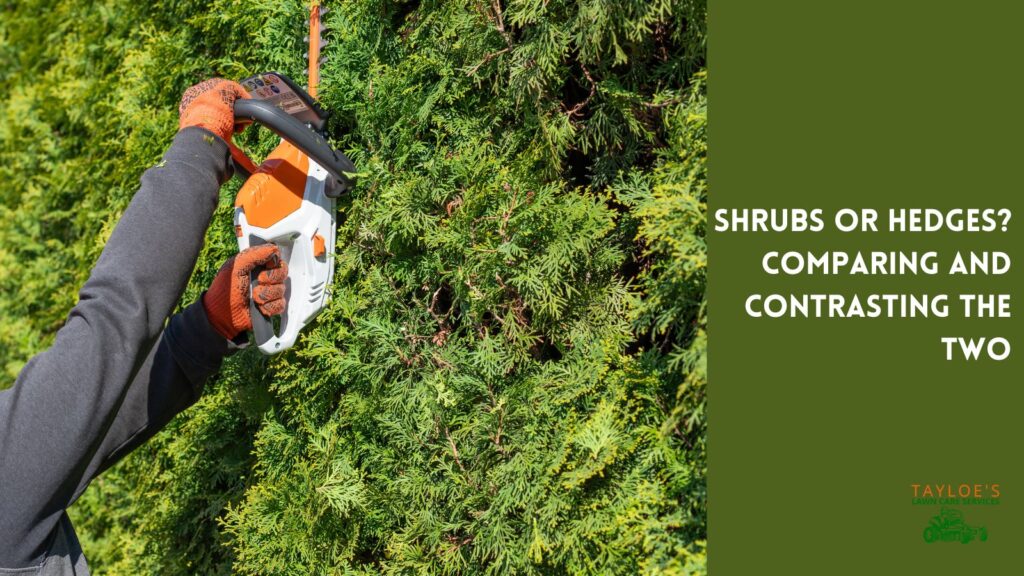
- Dense shrubs
- Overgrown hedges
- Tall ornamental grasses
- Areas under decks
- Tree lines near the house
If your neighbor has a more open, sunnier yard, these bugs naturally avoid it and settle where shade is deeper — often your side of the fence.
Dense vegetation creates mosquito “resting stations”
Mosquitoes don’t fly constantly. They rest during the day on the undersides of leaves and in dense foliage.
Problem areas often include:
- Foundation plantings packed too tightly
- Thick groundcover
- Mulch beds that stay damp
- Untended hedges
Even beautiful landscaping can become insect-friendly if airflow is restricted.
Soil and drainage differences matter more than people realize
Two yards can look identical on the surface but behave very differently below ground.
Mosquito-friendly soil conditions include:
- Clay-heavy soil that holds moisture
- Compacted turf that prevents drainage
- Areas that stay damp after rain
If your neighbor’s yard drains faster, mosquitoes won’t linger there — they’ll migrate to where moisture remains longer.
Irrigation habits can tip the balance
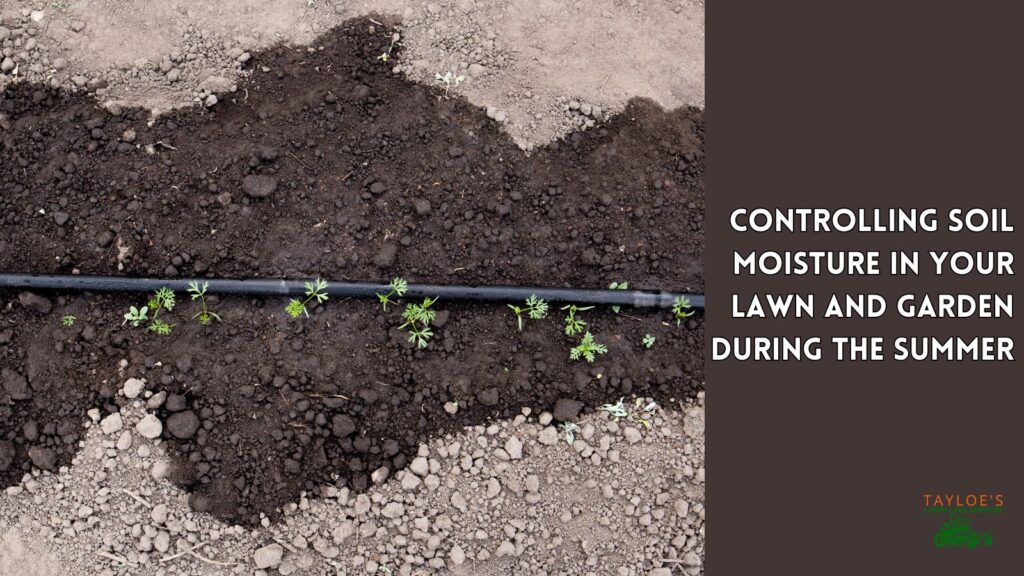
How and when a lawn is watered directly affects mosquito activity.
Mosquitoes thrive when:
- Sprinklers run daily
- Watering occurs in the evening
- Soil stays constantly moist
If your neighbor waters deeply but infrequently — especially in the morning — their yard dries faster and becomes less appealing.
Nearby features can affect only one yard
Bugs don’t care about property lines.
Localized pressure can come from:
- Ditches or culverts near one home
- Wooded edges or wetlands nearby
- Retention ponds just out of sight
- Overgrown neighboring lots
Even if the breeding site isn’t technically on your property, mosquitoes will travel to the nearest shaded, humid yard.
Your yard layout influences mosquito movement
Wind exposure discourages mosquitoes.
Yards that trap mosquitoes often:
- Have fencing that blocks airflow
- Are surrounded by tall hedges
- Sit lower than the surrounding properties
Your neighbor may benefit from better airflow without realizing it.
Why treatments work better in some yards than others
Mosquito control treatments rely on contact with foliage and resting areas.
Treatments break down faster when:
- Vegetation is overgrown
- Rain washes surfaces frequently
- Shade prevents drying
A yard with heavy shade and dense plants may need more frequent treatments than a more open property.
Small changes can make a big difference
You don’t need to remove trees or overhaul your landscape to reduce mosquitoes.
Effective adjustments include:
- Thinning dense shrubs
- Improving drainage in low spots
- Removing excess mulch buildup
- Switching to morning watering
- Eliminating small water sources weekly
These changes often reduce mosquito pressure within a few weeks.
Why comparing yards isn’t always fair
It’s frustrating to feel singled out by mosquitoes, but the truth is:
- Insects follow conditions, not homes
- One shaded corner can outweigh an entire open yard
- Small differences compound quickly
The goal isn’t to match your neighbor’s yard — it’s to reduce what attracts mosquitoes to yours.

Mosquitoes worsen with shade, moisture, and shelter — and those conditions vary yard to yard
Infestations are worse in some yards than others because of differences in standing water, shade, vegetation density, drainage, and watering habits. In Northeastern NC, even subtle variations can make one yard far more attractive than the next. By reducing moisture, improving airflow, and managing vegetation, homeowners can dramatically reduce the population — even if neighboring yards remain unchanged.
You don’t have to accept an infested yard – call Tayloe’s Lawn Care Services for certified mosquito control in Ahoskie, Aulander, Murfreesboro, NC, and beyond. Call or text: 252.287.3376.
Author Profile

- Randy Tayloe is the COO of Tayloe's Lawn Care Service, LLC. He is a certified custom applicator, recognized by the North Carolina Department of Agriculture Pesticide Division. A native of Bertie County, NC, and graduate of Bertie High School, he wants to beautify his home county - one yard at a time.
Latest entries
 Pest ControlMarch 24, 2026Why are mosquitoes worse in my yard than my neighbors?
- Lawn CareMarch 17, 2026Getting rid of spring onions in your lawn
- Pest ControlMarch 10, 2026When should mosquito fogging service start for the season?
- Lawn CareFebruary 17, 2026When will my warm season grass wake up in spring?