Last Updated on: 16th December 2025, 09:54 am
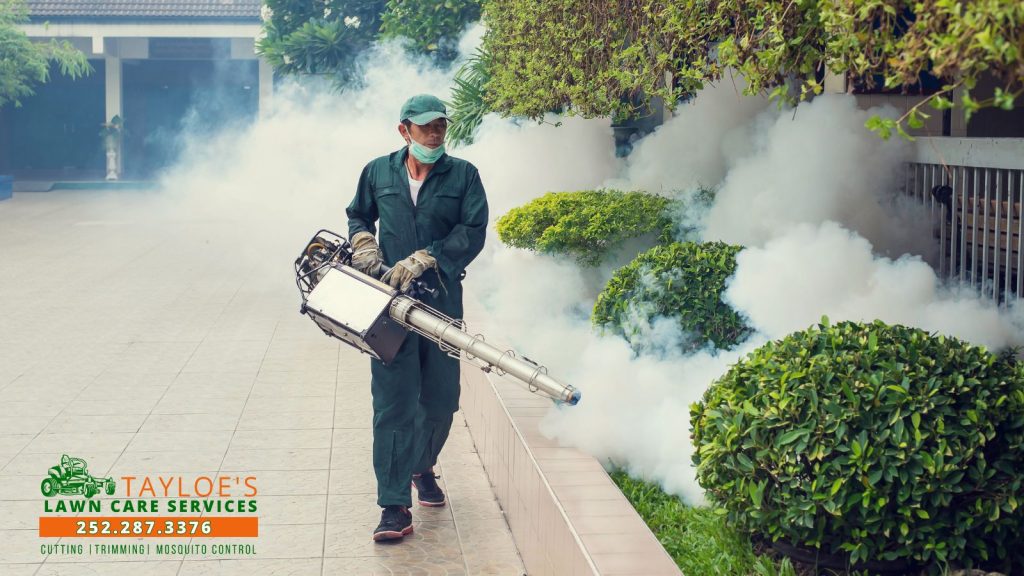
Mosquito service starts earlier than you think in NE NC.
If you’re wondering when mosquito fogging season should start for the season in NE NC, the most accurate answer is earlier than most homeowners expect. In Northeastern North Carolina, mosquito activity doesn’t wait for summer — it begins in early spring as soon as temperatures rise and standing water becomes available. Starting mosquito control at the right time is critical to preventing explosive population growth later in the season.
This article explains the ideal start time for mosquito services in NE NC, what triggers mosquito activity, and why early prevention leads to far better results than waiting until mosquitoes are already biting.
Mosquito season in NE NC starts with temperature, not dates
Mosquitoes don’t follow a calendar — they respond to environmental conditions. In NE NC, mosquito season typically begins when:
- Daytime temperatures consistently reach the mid-60s
- Nighttime temperatures stay above 50°F
- Spring rains create standing water
- Soil temperatures begin to warm
These conditions often occur as early as March, especially after a mild winter.
Once these thresholds are met, dormant mosquito eggs hatch rapidly, and populations begin building before homeowners notice biting pressure.
The ideal time to start mosquito control services
For Northeastern North Carolina, mosquito control services should begin:
Between late March and early April
Starting during this window allows treatments to target early adult populations before they reproduce heavily. This proactive timing interrupts the mosquito life cycle and significantly reduces peak-season numbers.
Waiting until May or June often means mosquitoes have already completed multiple breeding cycles.
Why starting early makes such a big difference
Mosquito populations grow exponentially. One female mosquito can lay hundreds of eggs at a time, and those eggs can mature into biting adults in as little as 7–10 days under ideal conditions.
Early-season control:
- Reduces the first generation of adults
- Prevents egg-laying surges
- Lowers overall population density
- Makes mid-summer control easier and more effective
Homeowners who start early typically report fewer mosquitoes all season long.
What happens if you wait too long to start mosquito fogging season
Many homeowners delay mosquito control until mosquitoes become unbearable. By then, the problem is harder to manage.
Late starts often result in:
- Shorter treatment effectiveness
- More frequent service needs
- Higher reinfestation pressure
- Frustration despite treatment
At that point, services are reacting to an established population instead of preventing it.
How spring weather affects mosquito timing in NE NC
Spring conditions vary year to year, which affects when mosquito control should begin.
Mild winters
When winters are warmer, more mosquito eggs and larvae survive. This causes earlier and stronger spring emergence.
Early spring rains
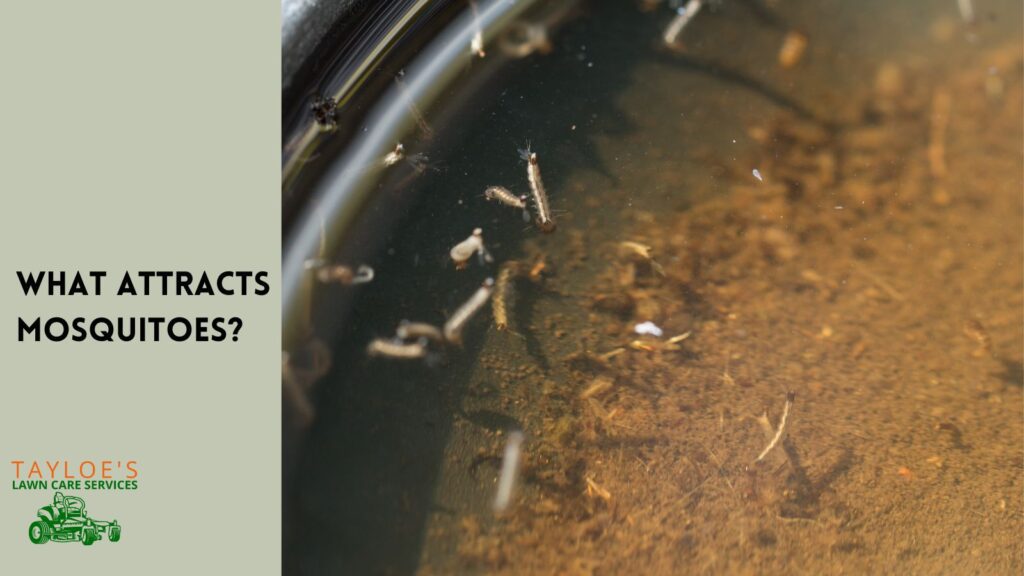
Rain fills low spots, ditches, gutters, and containers — all prime breeding locations.
Warm nights
Mosquitoes are most active and reproduce more efficiently when nights stay warm. NE NC often meets this condition well before summer.
Because of these variables, mosquito season often begins before homeowners expect insects to arrive.
Do mosquitoes disappear completely in winter?
No — they simply pause.
Mosquitoes overwinter as:
- Eggs in moist soil
- Larvae in shallow water
- Adult females in protected areas
Once temperatures rise, they resume activity quickly. This is why spring prevention is so effective.
How long mosquito fogging season could continue
Starting early is only part of the strategy. Mosquito services typically continue through:
- Spring buildup (April–May)
- Peak summer pressure (June–August)
- Early fall activity (September–October)
In NE NC, services usually end once nighttime temperatures consistently fall below 50°F, which often happens in late October or early November.
Yard conditions that make early control even more important
Some properties experience mosquito pressure sooner and more intensely.
Early-start yards often include:
- Heavy shade
- Nearby woods or wetlands
- Drainage ditches
- Poorly draining soil
- Dense shrubs and groundcover
If your property fits these conditions, starting mosquito services early is especially important.
What mosquito control services actually do early in the season
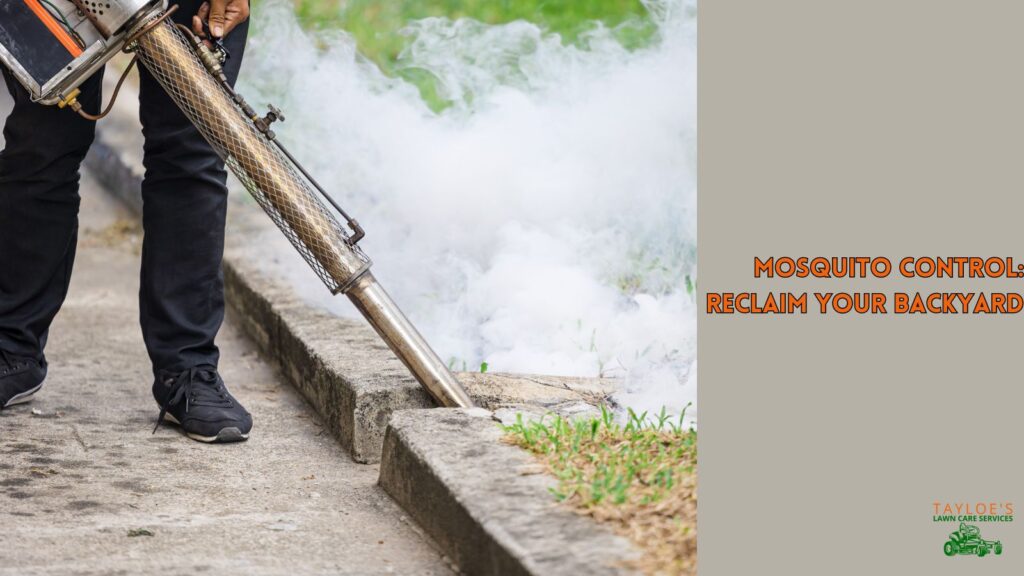
Early treatments:
- Reduce early adult populations
- Disrupt breeding cycles
- Suppress population growth before peak season
They are not designed to eliminate mosquitoes permanently — they manage pressure proactively.
This is why starting early delivers better results than trying to “catch up” later.
Homeowner steps that support early mosquito control
Mosquito services work best when paired with simple homeowner actions.
Helpful steps include:
- Eliminating standing water weekly
- Cleaning gutters in early spring
- Trimming dense vegetation
- Adjusting watering schedules
These actions reduce breeding opportunities and extend treatment effectiveness.
Why one-time early treatments aren’t enough
While early treatments are powerful, mosquitoes continue breeding throughout warm months.
A seasonal approach:
- Maintains consistent suppression
- Adjusts for weather changes
- Prevents population rebounds
Most effective programs begin early and continue at regular intervals through the fall.
Common misconceptions about mosquito fogging season start times
Many homeowners believe:
- Mosquito season starts in the summer
- Cold snaps end mosquito activity
- Early spring treatments are unnecessary
In NE NC, these assumptions often lead to heavier mosquito pressure later in the year.

Mosquito fogging season arrives early in NE NC — before mosquitoes become a problem
Mosquito fogging season in NE NC should start in late March to early April, when temperatures rise, and breeding begins — not when biting becomes unbearable. Early-season treatments interrupt mosquito life cycles, reduce peak populations, and deliver far better comfort throughout spring, summer, and fall. Starting early is the single most effective way to manage mosquitoes in our region.
Do mosquitoes really “bug” you? Call or text today to get on our route – 252.287.3376.
Author Profile

- Randy Tayloe is the COO of Tayloe's Lawn Care Service, LLC. He is a certified custom applicator, recognized by the North Carolina Department of Agriculture Pesticide Division. A native of Bertie County, NC, and graduate of Bertie High School, he wants to beautify his home county - one yard at a time.
Latest entries
 Pest ControlMarch 10, 2026When should mosquito fogging service start for the season?
- Lawn CareFebruary 17, 2026When will my warm season grass wake up in spring?
- Lawn CareFebruary 10, 2026Pre-emergent timing in NC (don’t miss the weather window!)
- Lawn CareJanuary 27, 2026Winter Lawn Problems in Eastern NC: Moss, mud, and surprise weeds