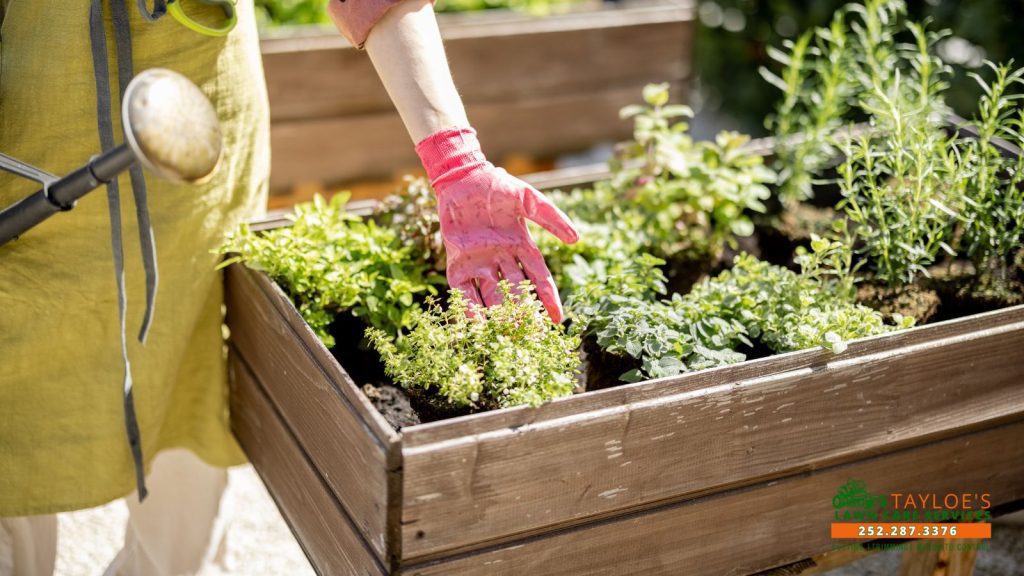
June isn’t too late to put these heat-loving plants in the herb garden.
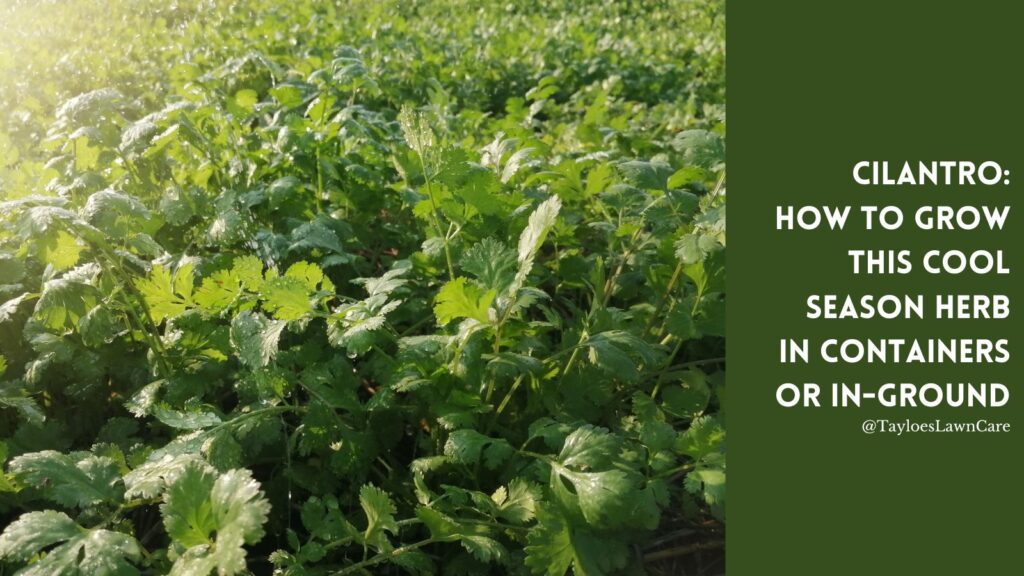
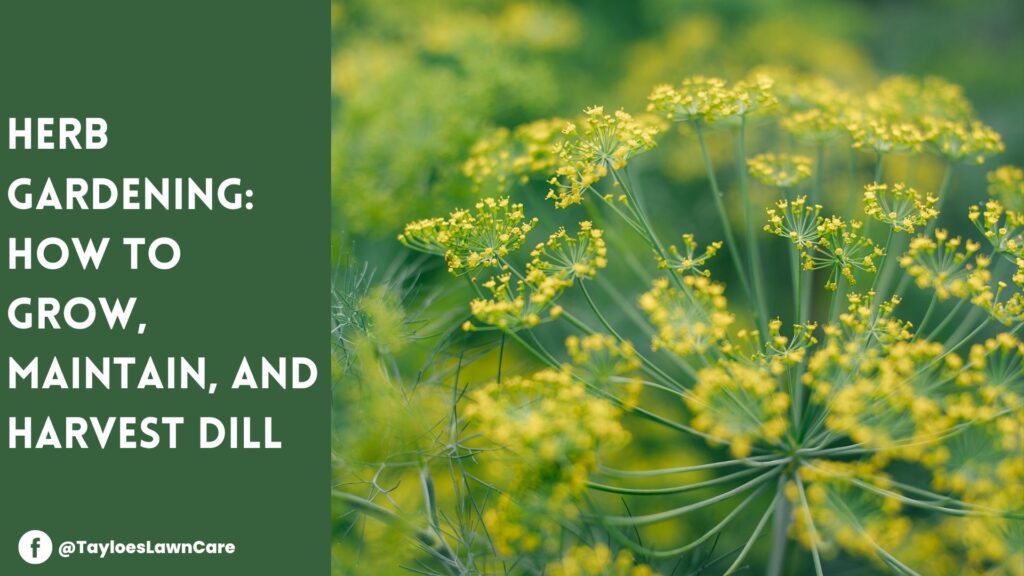
If you’re looking to refresh your herb garden for summer, choosing heat-loving plants in June is one of the smartest moves you can make. Many “cool-season” herbs like parsley, cilantro, and dill decline quickly once temperatures hit the 90s. But there are other herbs that not only tolerate those temperatures — they thrive in them. These herbs flourish in warm soil, long daylight, and dry conditions typical of Eastern North Carolina summers.
Below are 10 reliable, heat-loving herbs chosen specifically for our climate, along with how to plant them, soil prep advice, watering schedules, spacing recommendations, companion planting ideas, and harvest guidance.
Why June is a great month to plant heat-loving plants and herbs
When soil warms into the mid-70s:
- Growth accelerates
- Flavor oils increase (especially in Mediterranean herbs)
- Plants establish quickly
- Roots deepen naturally
For gardeners in Eastern NC, June is ideal for building a steady harvest that lasts through August, September, and often early October.
1. Basil
Basil is one of the easiest heat-loving herbs to plant in June.
How to plant
- Choose a site with 6–8 hours of sun
- Amend the soil with compost to improve drainage
- Plant transplants 12–18 inches apart
Watering guidance
- Water deeply every 2–3 days for the first two weeks
- Once established, water the top 2 inches of soil dry out
Maintenance
- Remove flower buds to keep leaves tender
- Pinch the top pair of leaves every 7–10 days to promote branching
Pro tip:
Grow Genovese for classic basil, Lemon basil for poultry dishes, and Thai basil for stir-fries.
2. Oregano
Oregano is highly drought-tolerant once established.
How to plant
- Choose full sun
- Use sandy or well-drained soil
- Mix in a small amount of lime if the soil is acidic
- Space transplants 10–12 inches apart
Watering
- Water lightly — oregano prefers to dry between waterings
- Water only when the soil is dry 2–3 inches down
Harvesting
- Clip stems 4–6 inches long
- Best flavor comes right before flowering
Best use:
Pasta sauces, grilled vegetables, and marinades.
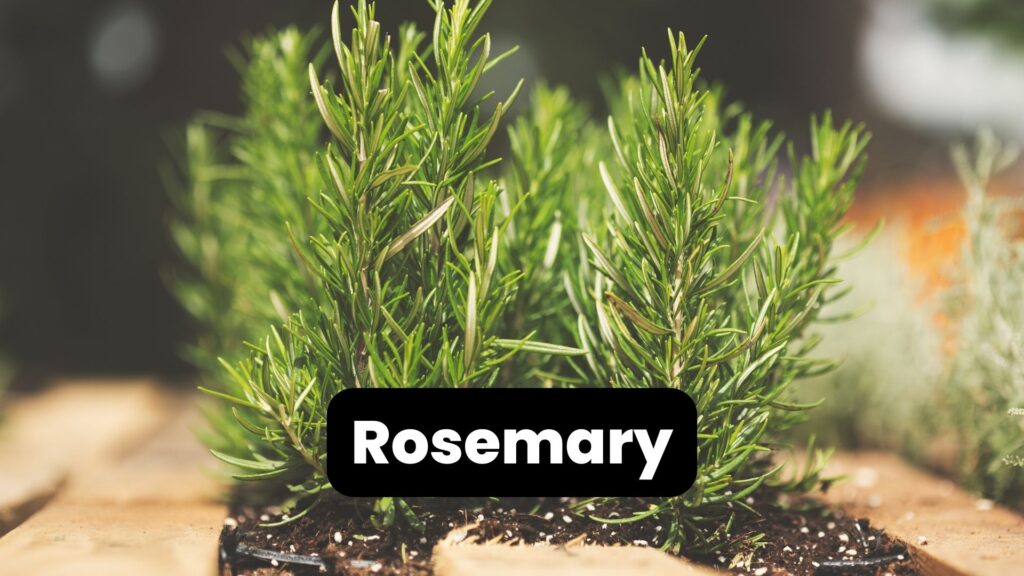
3. Rosemary
Rosemary loves heat, sun, and dry soil.
How to plant
- Choose at least 6 hours of sun
- Amend the soil with coarse sand to improve drainage
- Space plants 24–36 inches apart, depending on variety
Watering
- Water deeply the day you plant
- After that, allow the soil to dry between waterings
- Avoid soggy soil — rosemary hates wet feet
Long-term growth
Rosemary becomes a small shrub, so plan for long-term placement.
4. Thyme
Thyme thrives in heat and poor soil conditions.
How to plant
- Plant in full sun
- Mix sand or crushed granite into the soil for drainage
- Space plants 12–18 inches apart
Watering
- Water twice weekly for the first 2 weeks
- After being established, water weekly during dry spells
Harvesting
- Trim stems lightly to encourage fresh growth
- Never cut more than 40% at a time
This is a top companion for rosemary and oregano because they share watering needs.
5. Lemongrass
Lemongrass brings tropical flavor and thrives when the June heat hits.
How to plant
- Plant in full sun with rich soil
- Dig holes twice as wide as the plant base
- Space plants 24–30 inches apart (they get large!)
Watering
- Water every 2 days for the first 2 weeks
- After established, water deeply once per week
Harvesting
- Cut outer stalks first
- Leave the center stalks to continue growing
Usage
Teas, marinades, soups, and sauces.
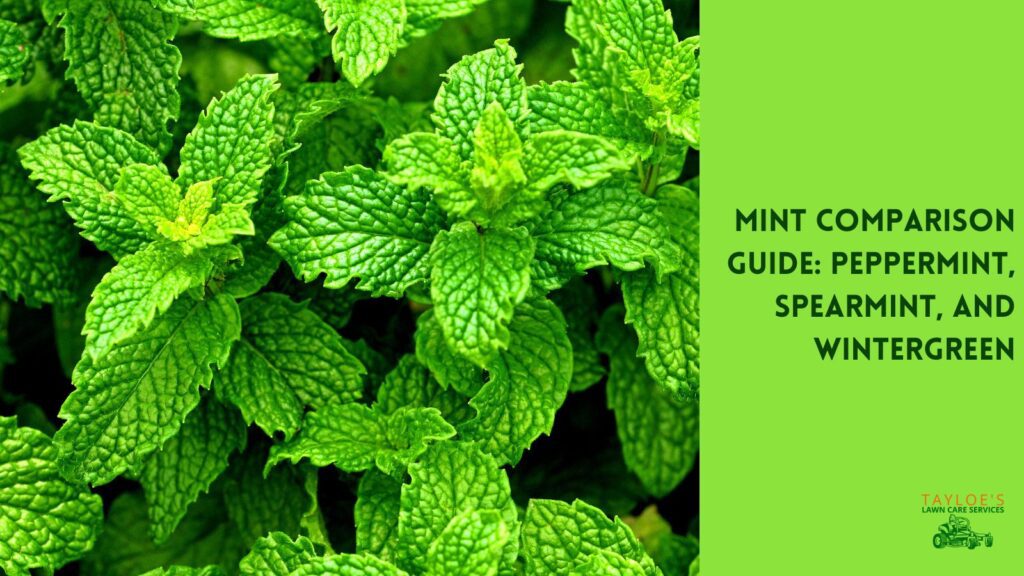
6. Mint (in containers only)
Mint loves heat, but spreads aggressively — so a container is mandatory.
How to plant
- Use a pot at least 12 inches wide
- Fill with rich potting soil + compost blend
- Place the container where it receives morning sun and afternoon shade
Watering
- Water anytime the top 1 inch dries out
- Mint prefers even moisture
Pro tip:
Place the pot on concrete or in a tray — never directly in the garden.
7. Holy Basil (Tulsi)
Holy basil is exceptionally heat-tolerant and thrives when the weather gets hot and humid.
How to plant
- Choose full sun
- Amend the soil with compost for balanced nutrition
- Space plants 18–20 inches apart
Watering
- Water deeply twice weekly for the first 3 weeks
- After that, water weekly
Harvesting
- Pinch regularly to prevent woody growth
- Harvest early morning for the best oil content
Excellent for teas and medicinal use.
8. Cuban Oregano (Spanish Thyme)
Cuban oregano has thick, succulent leaves that store moisture — perfect for hot summers.
How to plant
- Place in full sun (but tolerates light afternoon shade)
- Use well-drained soil mixed with sand
- Space plants 18–24 inches apart
Watering
- Water lightly; soil should dry between waterings
- Do not overwater — it is succulent-like
Harvesting
- Remove outer leaves first
- Avoid stripping the central growing point
Perfect in Caribbean dishes and marinades.
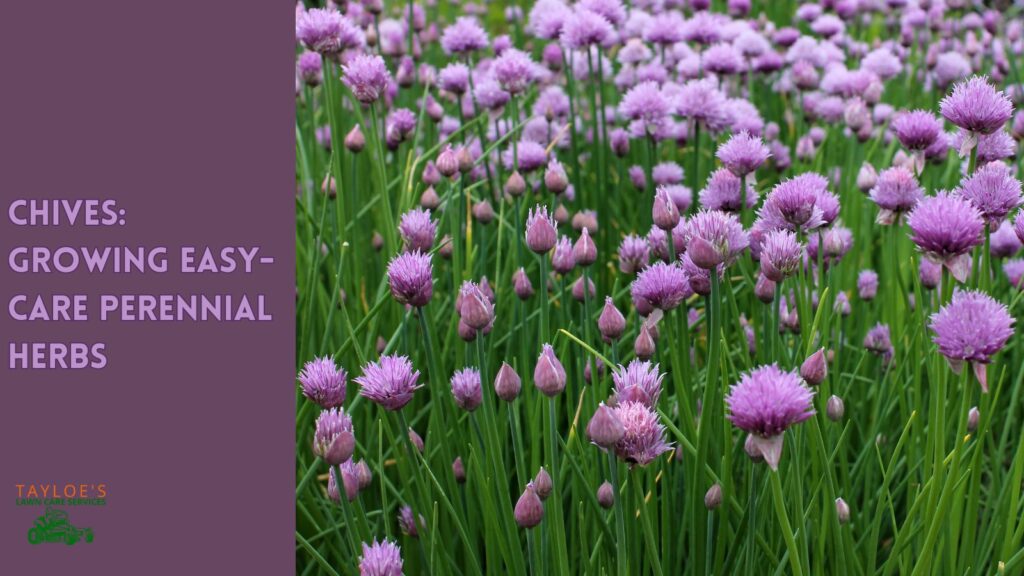
9. Chives
Chives tolerate heat well once established and continue producing all summer. Keep them in a spot with full afternoon shade; they prefer morning sunshine.
How to plant
- Plant crowns 8–12 inches apart
- Slightly enrich the soil with compost
- Choose full sun to partial shade
Watering
- Water deeply weekly
- Never allow soil to stay waterlogged
Harvesting
- Snip leaves 1 inch above soil surface
- Cut flowers to encourage fresh leaf growth
10. Sage
Sage thrives in hot climates and maintains quality flavor through summer.
How to plant
- Plant in full sun
- Soil should be loose, sandy, and well-drained
- Space plants 18–24 inches apart
Watering
- Water deeply once weekly
- Avoid overwatering — sage is prone to root rot if the soil stays wet
Harvesting
- Harvest in the morning
- Clip stems above branching nodes to encourage growth
Perfect for roasted vegetables, poultry, and herb butters.
Soil Prep Strategy for a Successful June Herb Garden
Here’s a soil prep guide that applies to all herbs above:
- Loosen native soil 8–10 inches deep
- Mix compost into the planting area
- Avoid heavy clay by amending with sand or pine fines
- Maintain pH between 6.0 and 7.0
Healthy soil = higher flavor oils and continuous harvest.
Watering Schedule for June Heat
General outdoor herb watering rhythm:
- The first 2 weeks: water consistently to establish roots
- After that: water deeply, less often
- Avoid daily light sprinkling
Deep watering encourages deep roots, which are essential for summer drought tolerance.

Heat-loving plants and herbs make June one of the best months
June is one of the best times to plant heat-loving herbs in Eastern North Carolina. By choosing rosemary, thyme, basil, lemongrass, sage, and others that love warm soil, you build a garden that thrives through July and August while producing continuous harvests for your summer cooking. Plant with good drainage, space correctly, water deeply, and harvest regularly — and your herb garden will stay productive long into fall.
Have a lawn or garden problem to solve? Text a photo to me at 252.287.3376 – we will gladly help you find a solution.
Author Profile

- Deborah Tayloe is the CEO and co-founder of Tayloe's Lawn Care Services, LLC. She has a B.S.Ed and holds certificates in soil and water management and herbology from accredited programs.
Latest entries
 Herb GardenSeptember 1, 2026What fall vegetables should you grow in NE NC?
- GardeningAugust 25, 2026Best low-maintenance landscaping ideas for NC
- FaunaAugust 4, 2026Should you scoop dog poop before the lawn care technician arrives?
- Trees and ShrubsJuly 28, 2026Fast growing privacy plants that thrive in NC humidity