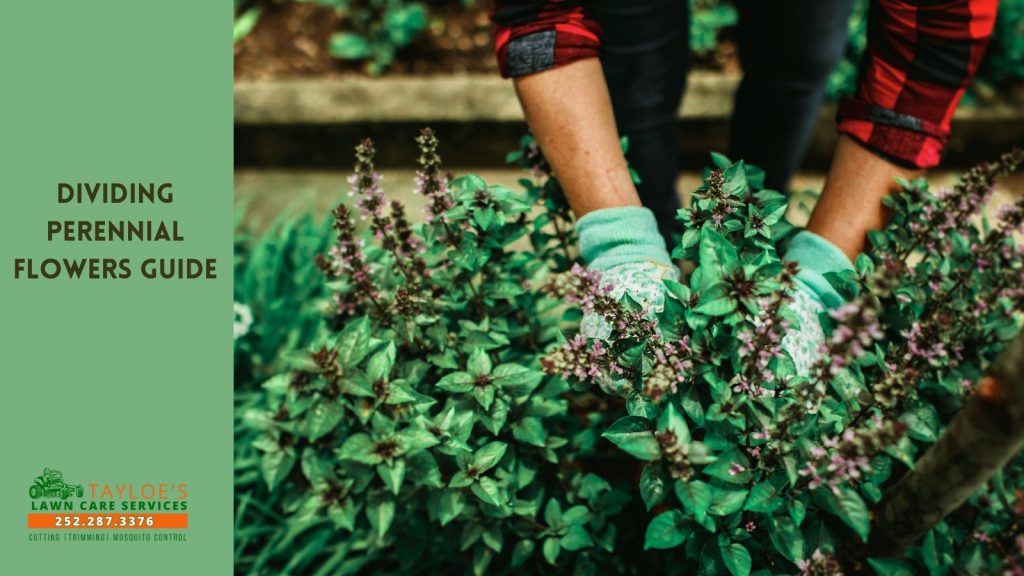
If your garden beds are starting to look crowded, leggy, or less vibrant, dividing perennial flowers is one of the best ways to restore their health and encourage stronger blooms. Unlike annuals, perennials return year after year, and most eventually outgrow their space. Dividing them helps maintain plant vigor, improves airflow, and allows you to multiply your garden without spending money on additional plants.
Perennials thrive in Eastern North Carolina’s long growing season, and properly timed division gives them the space and nutrients they need to continue performing beautifully.
Why dividing perennial flowers is essential
Over time, perennial roots become dense, tangled, or woody. This slows down nutrient absorption, reduces bloom production, and creates bare spots in the center of the plant. Division corrects these issues by giving the roots room to grow again.
Key benefits of dividing perennials
- Encourages stronger, healthier growth
- Restores bloom production
- Prevents overcrowding and disease
- Improves airflow and reduces fungal risk
- Allows gardeners to create more plants for free
Perennials are long-term investments, and dividing them every few years keeps your landscape thriving.
When to divide perennial flowers in Eastern NC
Timing depends on the plant and its growth cycle, but most perennials divide well either in early spring or fall. Our region’s mild winters and long shoulder seasons give plants plenty of time to re-establish.
Best times to divide
- Early to late spring: As new growth emerges, but before temperatures rise
- Fall: After the summer heat breaks but before frost
- Immediately after blooming: For summer-blooming varieties (just avoid it on scorching hot days!)
Signs your perennials need dividing
- Plants have stopped blooming as strongly
- Centers are hollow or bare
- Clumps have become tight, woody, or overly large
- Plants flop outward or lean
- Growth looks uneven or stressed
If you notice these signs, your perennials will benefit from division.
Which perennial flowers divide well?
Many garden favorites divide easily and reward you with more vigorous growth after separation.
Perennials that divide successfully
- Hostas
- Daylilies
- Black-eyed Susan
- Coneflowers
- Coreopsis
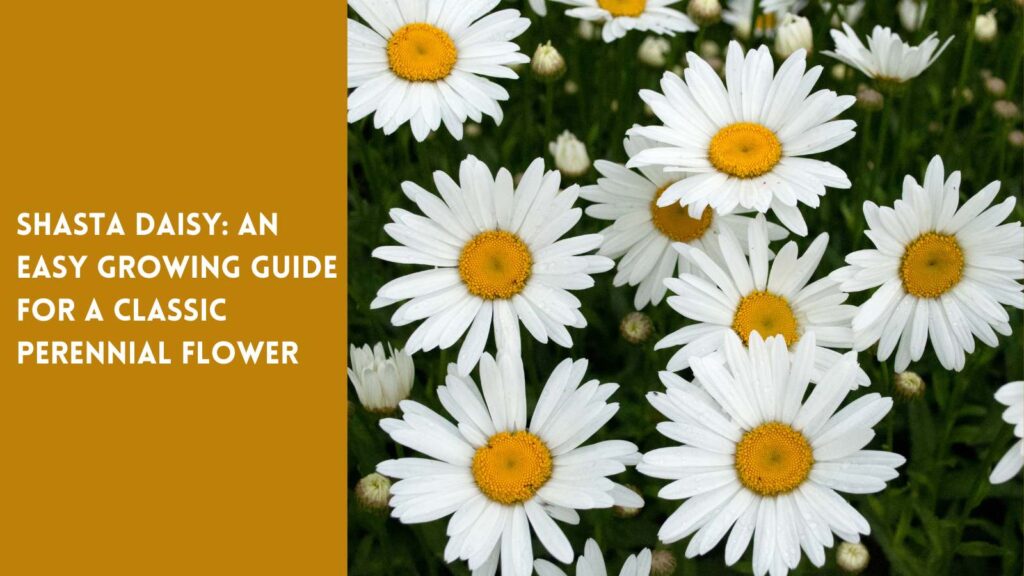
- Shasta daisies
- Sedum
- Bearded iris
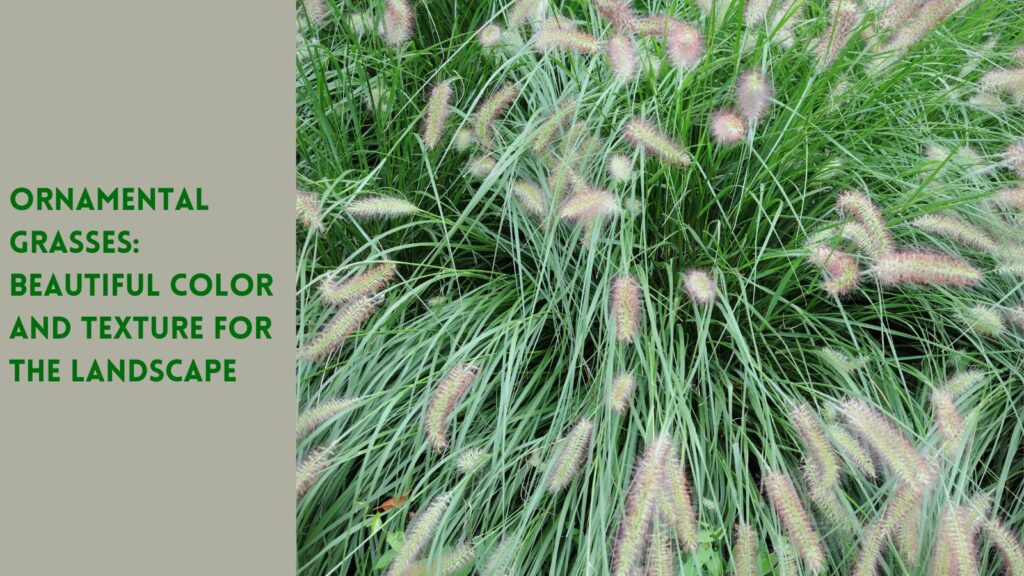
- Ornamental grasses
Perennials that should not be divided
Some plants prefer to remain undisturbed or grow from deep taproots. These include:
- Baptisia
- Lupines
- Poppies
When in doubt, treat taproot perennials gently or consider propagating them by seed instead.
How to divide perennial flowers step-by-step
Dividing perennials is simple once you know the right approach. Gentle handling ensures fast recovery and stronger growth.
Step 1: Water the plants the day before
Moist soil makes lifting and dividing easier while reducing stress.
Step 2: Dig around the plant carefully
Use a sharp spade or garden fork to loosen soil around the root ball. Lift the entire plant rather than pulling on stems.
Step 3: Divide the clump
Depending on the root system, separate the plant using one of these methods:
- Pulling apart gently by hand
- Using a garden knife or hori-hori
- Cutting dense clumps with a clean spade
Each division should have several stems or growing points with healthy roots.
Step 4: Trim damaged roots
Remove broken, mushy, or circling roots to promote fresh growth.
Step 5: Replant divisions immediately
Set each section into its new location at the same depth as before. Backfill with native soil and firm the soil gently around the roots.
Step 6: Water deeply
A slow, thorough soak settles the soil and helps roots establish quickly.
Step 7: Provide light shade if needed
During warm weather, shade the new divisions for one to two days to prevent wilting. Use a sail cloth or beach umbrella during peak sunshine hours.
Aftercare for newly divided perennials
Proper care ensures strong re-establishment and better performance in the next bloom cycle.
Care tips
- Keep soil evenly moist for the first two weeks.
- Add a light layer of mulch to retain moisture.
- Avoid fertilizing immediately—wait two to four weeks before applying a balanced fertilizer.
- Pinch back floppy stems to encourage fuller growth.
- Watch for stress during heatwaves and water accordingly.
In Eastern NC’s climate, divisions usually bounce back quickly with proper aftercare.
How often should homeowners divide perennial flowers?
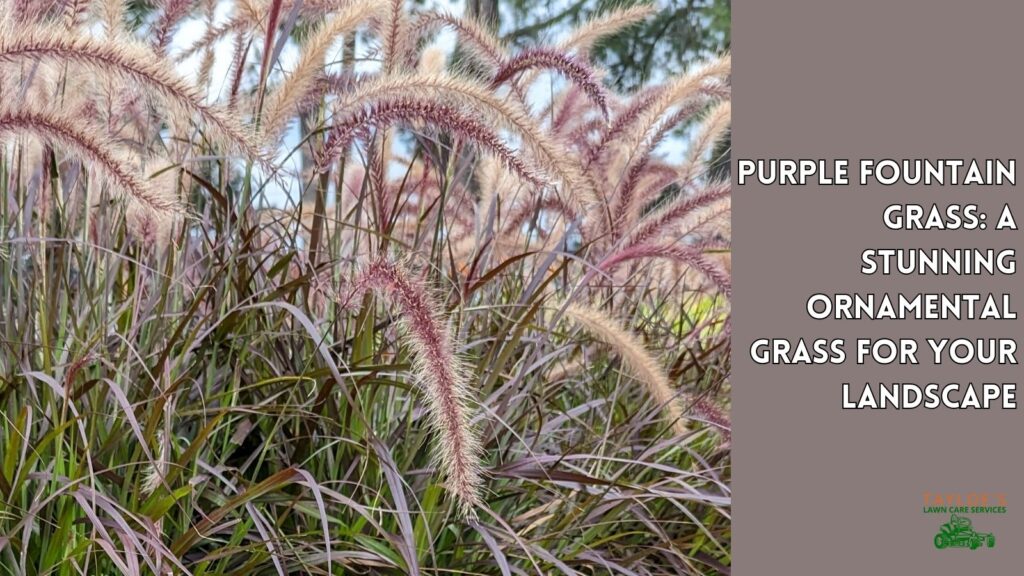
Most perennials benefit from division every three to five years, though fast-growing varieties may need it sooner. Ornamental grasses, for example, often require division every two to three years to prevent hollow centers.
Plants that bloom poorly, overgrow their space, or crowd neighboring plants are ready for division sooner.
Why dividing perennials saves money
Perennials can multiply for years, making them one of the most cost-effective ways to expand garden beds. A single daylily or hosta may produce three to eight new plants during division, offering enormous savings compared to buying new plants from a garden center.
Dividing also helps you:
- Fill bare areas
- Refresh aging plantings
- Share plants with neighbors
- Improve the overall look of your landscape
With plant prices rising, division is a smart way to stretch your gardening budget.
Common mistakes to avoid when dividing perennial flowers
Dividing perennials is easy, but a few pitfalls can slow recovery.
Avoid:
- Dividing during a heatwave or drought
- Letting roots dry out during the process
- Planting divisions too deeply
- Breaking root clumps too aggressively
- Adding fertilizer immediately after planting
Gentle handling and good timing lead to strong, healthy regrowth.

The Takeaway: Dividing perennial flowers keeps your landscape thriving year after year
The Takeaway: Dividing perennial flowers is a simple, cost-effective way to rejuvenate tired plants, expand your garden, and maintain healthy, full beds throughout Eastern North Carolina’s growing season. With the right timing and gentle care, divided perennials recover quickly and reward you with stronger blooms, better airflow, and improved long-term performance.
Need a hand with maintaining your lawn or flower beds? Tayloe’s Lawn Care Services, LLC, is here to help. Call or text us at 252.287.3376 to get on our schedule.
Related Links:
Author Profile

- Deborah Tayloe is the CEO and co-founder of Tayloe's Lawn Care Services, LLC. She has a B.S.Ed and holds certificates in soil and water management and herbology from accredited programs.
Latest entries
 Herb GardenSeptember 1, 2026What fall vegetables should you grow in NE NC?
- GardeningAugust 25, 2026Best low-maintenance landscaping ideas for NC
- FaunaAugust 4, 2026Should you scoop dog poop before the lawn care technician arrives?
- Trees and ShrubsJuly 28, 2026Fast growing privacy plants that thrive in NC humidity