
Last Updated on: 3rd December 2025, 01:36 pm

Read how to make your garden beds fresh and lovely for spring.
Preparing flower beds for spring in NC is essential for homeowners in Bertie and Hertford counties, where warm weather arrives quickly, and early weeds can take over before the end of March. In our region, the transition from winter to spring happens fast — sometimes in a single weekend. That means flower beds need attention earlier than most people realize.
Whether you live in Ahoskie, Windsor, Murfreesboro, Colerain, Aulander, Winton, Powellsville, or surrounding towns, this early prep sets the stage for healthier flowers, cleaner beds, and stronger curb appeal all season long.
Below is your complete step-by-step guide.
10 Garden Tasks When Preparing Flower Beds for Spring
Here are some things you should do early in the season to set yourself up for smooth sailing later.
1. Start by Clearing Winter Debris
Winter leaves behind:
- sticks and branches
- dead annuals
- fallen leaves
- pinecones
- leftover mulch chunks
- acorns and pecans
This debris blocks sunlight, traps moisture, and creates a perfect environment for early weeds. Removing it now helps your beds warm up and breathe.
Quick Tip
Use a small hand rake instead of a leaf rake. A gentle rake avoids disturbing perennials that are about to push through.
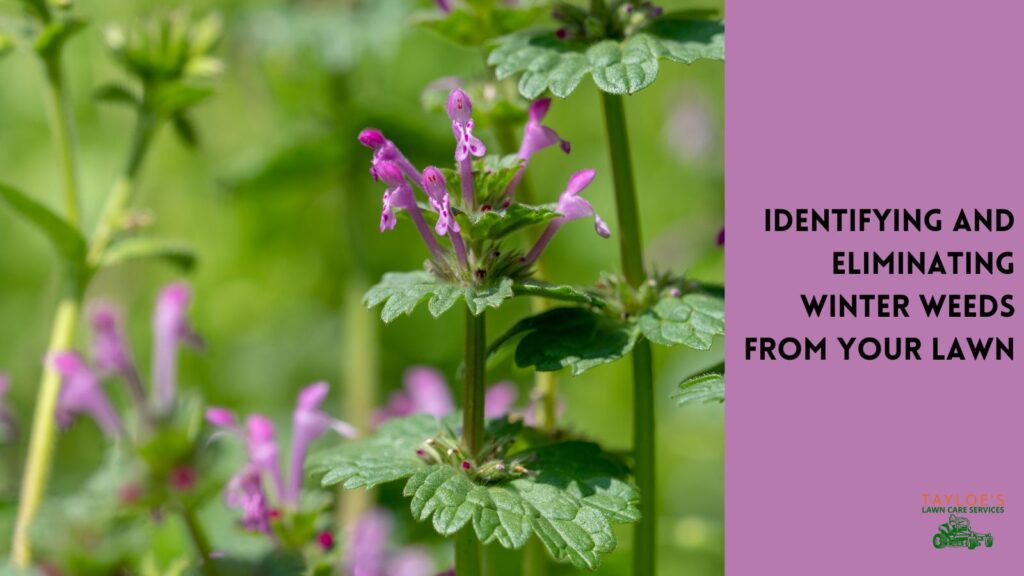
2. Identify and Remove Winter Weeds Early
Bertie and Hertford flower beds often sprout:
- chickweed
- henbit
- bittercress
- wild onion
- purple deadnettle
These weeds emerge aggressively in February because our soil rarely freezes. Pulling or treating them early prevents a full takeover by April.
What to do as you’re preparing flower beds for spring:
- Weed on dry days
- Pull weeds by the root
- Avoid stirring soil deeply — it exposes new weed seeds
3. Trim Back Perennials and Ornamental Grasses
Perennials benefit from a light winter cleanup so they can push healthy growth in March.
Trim:
- liriope
- daylilies
- hostas (remove mushy leaves)
- ornamental grasses
- black-eyed Susans
- coneflowers
Why now?
Cutting them back later risks damaging tender new growth as it emerges.
4. Look for Areas Where Soil Needs Refreshing
Our local soil — mostly sandy loam with clay pockets — often becomes compacted or washed away during winter storms.
Check your beds for:
- low spots
- erosion
- exposed roots
- thin topsoil
- hard, compacted areas
Add a light layer of:
- compost
- soil conditioner
- a top-quality garden soil blend
This improves drainage and helps spring plantings establish faster.
5. Re-edge Flower Beds Before Grass Starts Growing
Once March arrives, Bermuda and fescue begin creeping into the beds. Re-edging now gives you:
- crisp borders
- clear separation between lawn and beds
- easier mowing lines in spring
- stronger weed control
Deep, clean edges also make mulch last longer.
How deep?
Aim for 2–3 inches — deep enough to prevent grass creep but shallow enough to maintain shape.
6. Add a Pre-Emergent to Your Flower Beds
Grass and broadleaf weeds love warm winter soil. A pre-emergent:
- stops new weeds from germinating
- reduces time spent pulling weeds in April
- keeps mulch looking clean longer
Apply before mulching.
Pre-emergent must go down first, or it cannot reach the soil.
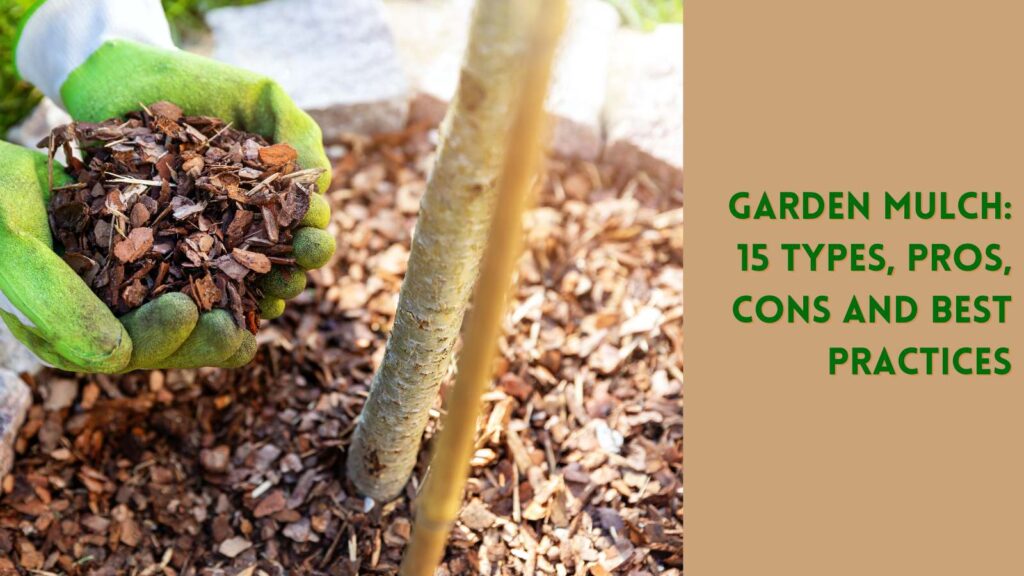
7. Refresh or Replace Mulch (If Needed)
Mulch protects roots, stabilizes temperature, and prevents weed growth. But winter storms often wash it out in our area.
Consider refreshing mulch if it looks:
- thin
- faded
- washed out
- uneven
- patchy
Best mulch depth:
2–3 inches for most shrubs and perennials.
Avoid these mistakes while preparing flower beds for spring:
- Don’t pile mulch against shrub trunks (“mulch volcanoes”)
- Don’t bury early bulbs
- Don’t use heavy mulch that traps moisture where drainage is poor
8. Divide Perennials Before Temperatures Warm Up
If you have:
- hostas
- daylilies
- irises
- ornamental grasses
…early spring (February–March) is the time to divide them.
Benefits of dividing plants while preparing flower beds for spring:
- stronger blooms
- better airflow
- healthier root systems
- fuller beds
- more plants for free
Plant the divisions right away so they establish before summer heat.
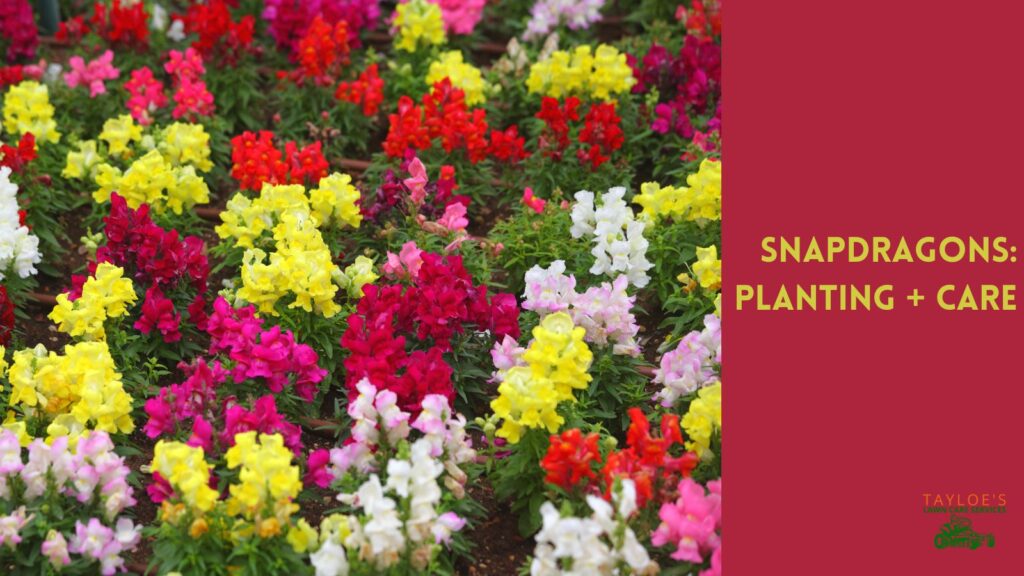
9. Add Early-Season Plants for Color
Many plants thrive in our mild late-winter climate. These add instant color:
- pansies
- violas
- snapdragons
- dianthus
- dusty miller
- early petunias
They tolerate cold snaps well and stay bright until summer flowers take over.
10. Plan Your Yearly Layout Before Growth Starts
Now is the best time to plan:
- where new perennials should go
- where annuals will be planted
- where shrubs need reshaping
- where new color is needed
- where gaps formed last year
Beds are easier to read before spring foliage returns.

Preparing Flower Beds for Spring in NC Is an Essential Task
Successful gardening begins with preparing flower beds for spring in NC, especially in Bertie and Hertford Counties, where weeds emerge early, and warm weather arrives fast. By cleaning debris, addressing soil issues, trimming perennials, creating fresh edges, and applying pre-emergent before mulch, you set your beds up for their healthiest, most colorful season yet.
If preparing flower beds for spring seems like too much work to handle alone, call Tayloe’s Lawn Care Services @ 252.287.3376. We’ll be happy to get you a quote and take care of the hard work for you.
Author Profile

- Deborah Tayloe is the CEO and co-founder of Tayloe's Lawn Care Services, LLC. She has a B.S.Ed and holds certificates in soil and water management and herbology from accredited programs.
Latest entries
 Flower GardenMarch 3, 2026Preparing flower beds for spring (perfect March project)
- Flower GardenFebruary 24, 2026How do I take care of blooming crocus flowers?
- Lawn CareFebruary 3, 2026Lawn care trends to expect in 2026
- Lawn CareDecember 29, 2025Commercial winter lawn care is a must