Learn how to deal with winter lawn problems we often see in North Carolina.
Winter lawn problems in Eastern NC look nothing like what homeowners face up north. In Bertie and Hertford counties, freezing temperatures come and go in 24–48 hours, soil rarely stays cold enough for true dormancy, and lawns often remain semi-active even in mid-January. Because of this, homeowners in Ahoskie, Windsor, Aulander, Colerain, Powellsville, Harrellsville, and Murfreesboro face an unusual winter mix: fast-spreading moss, muddy or waterlogged patches, standing water, thinning grass, and a full invasion of winter annual weeds.
These issues might seem harmless now, but each one quietly undermines lawn health long before spring arrives. This pillar guide explains why these winter problems show up, what they signal about your turf’s condition, and what you can do—right now and in early spring—to protect your lawn from preventable damage.
Why Moss Grows So Quickly in Our Region
Moss growth is one of the most common winter lawn problems in Eastern NC, especially in shaded or consistently damp areas. Unlike grass, moss thrives in cool, wet conditions—something our region has in abundance between mid-December and early March.
What triggers winter moss growth
Homeowners typically see moss develop in:
- Areas that stay shaded most of the day
- Lawns with compacted or poorly draining soil
- Low spots that remain wet after rainfall
- Thin or stressed areas where grass died back in summer
- Yards with acidic soil
Our soil type contributes heavily. Much of Bertie and Hertford County sits on a sandy loam base with clay pockets underneath. This creates a surface that stays damp but lacks deep oxygen circulation—perfect conditions for moss, not turfgrass.
Humidity also plays a major role. Even in winter, our average moisture levels and lack of deep freeze keep moss actively growing.
What moss is really telling you
Moss is not the problem—it’s the messenger. It signals that:
- Soil pH is likely too low
- Drainage is poor
- The grass canopy is too thin to block light
- The area gets inadequate sun exposure
- Compaction is restricting root growth
Ignoring moss means the underlying issues will worsen, especially as spring weeds take advantage of the same conditions.
How to respond
You don’t need to remove every bit of moss in winter, but you can take steps now:
- Lightly rake to loosen moss mats.
- Redirect downspouts or install small drainage channels.
- Plan spring aeration for compacted areas.
- Trim trees or remove lower limbs to allow more sunlight.
- Test soil pH—moss-heavy lawns nearly always need lime.
These steps strengthen the turf, which is the only long-term solution for pushing moss out.
Why Winter Turns Lawns Into Mud Pits
Mud isn’t just messy—it’s one of the biggest winter lawn problems in Eastern NC because it damages the upper root zone and weakens turf for months to come.
The soil problem: sand + clay
Most yards in our region contain an uneven mix of:
- Sand, which drains too quickly
- Clay, which holds water too long
This combination results in lawns that flood easily and then stay saturated for days during winter rains.
The issue worsens in:
- Flat or low-lying yards
- Lawns with summer compaction
- Areas with heavy foot traffic or pet traffic
- Spots lacking grass cover due to heat stress
Why winter mud is more harmful than you think
Chronic mud creates several long-term problems:
- Suffocated roots (water pushes out oxygen)
- Fungal outbreaks
- Permanent bare patches
- Nutrient leaching
- Soil displacement down slopes
- Declining turf density
Even if the lawn looks like it “recovers” in April, the root damage lingers until summer—when the heat exposes the weakened areas.
How to reduce winter mud issues
You can’t stop winter rain, but you can strengthen your lawn’s ability to handle it:
- Keep debris, leaves, and pine needles off the lawn.
- Avoid walking on waterlogged areas—this increases compaction.
- Overseed bare areas each fall to anchor soil.
- Extend downspouts or redirect water runoff.
- Add topsoil or regrade chronic trouble spots.
Mud is a sign that your lawn needs structure, soil support, or drainage correction—not just warm weather.
The Winter Weeds That Take Over Local Lawns
Another unique winter lawn problem in Eastern NC is the explosion of cool-season weeds that germinate aggressively in December, January, and February.
The most common winter weeds in our region
You’ll typically see:
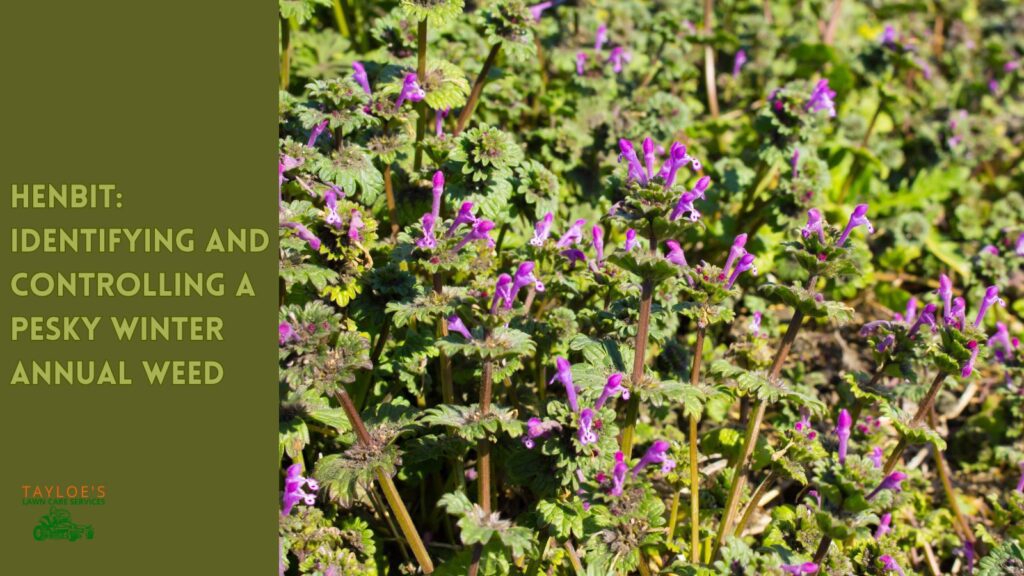
- Henbit
- Chickweed
- Annual bluegrass (Poa annua)
- Wild onion / wild garlic
- Bittercress
- Purple deadnettle
- Hairy vetch (in some rural areas)
Those bright green patches in February? That’s not healthy grass—that’s weeds thriving in cool temps while turf sleeps.
Why winter weeds dominate here
Unlike northern states, we rarely have:
- Deep freeze
- Snow cover
- Extended dormancy
Instead, we get:
- Repeated warm spells that trigger germination
- Soil that never freezes deeply
- Long periods of moisture
- Bare or thin spots left over from summer stress
Even homeowners who treat weeds in April are often too late—winter weeds already bloomed, seeded, and spread.
What you can safely do now
Winter is not the time for heavy herbicide use, but you can take simple steps:
- Spot-treat visible weeds on dry, mild days.
- Avoid mowing too short—short grass favors weed spread.
- Plan on a mid-February or early-March pre-emergent treatment.
- Mark recurring weed hotspots for soil improvement in spring.
Winter weeds are a warning sign that the lawn lacks density, nutrients, or proper fall preparation.
Shade, Dampness, and Low Spots: Hidden Winter Kill Zones
Some areas of your yard will always be more vulnerable to winter stress—and these “kill zones” are easy to spot once you know where to look.
Typical kill zones in our region
These problem areas almost always show winter damage:
- North-facing sides of homes
- Under pecan, oak, or maple canopies
- Corridors between houses
- Corners of fenced yards
- Low swales or dips
- Beneath deck edges or overhangs
Why do these spots fail first?
These shaded or damp pockets experience:
- Reduced sunlight
- Slower soil warming
- Prolonged moisture
- Increased moss growth
- Thinner grass density
- Persistent compaction
How to strengthen these weak areas
Focusing on light, soil, and drainage makes the biggest difference:
- Trim trees in late winter to increase daily sun exposure.
- Fill chronic low spots with quality topsoil.
- Add lime in shade-heavy areas where soil acidity increases.
- Fertilize later in spring, since shaded areas warm up slower.
These zones can be improved—but they need specific annual maintenance to stay healthy.
Why Grass Looks Yellow or Thin in Winter
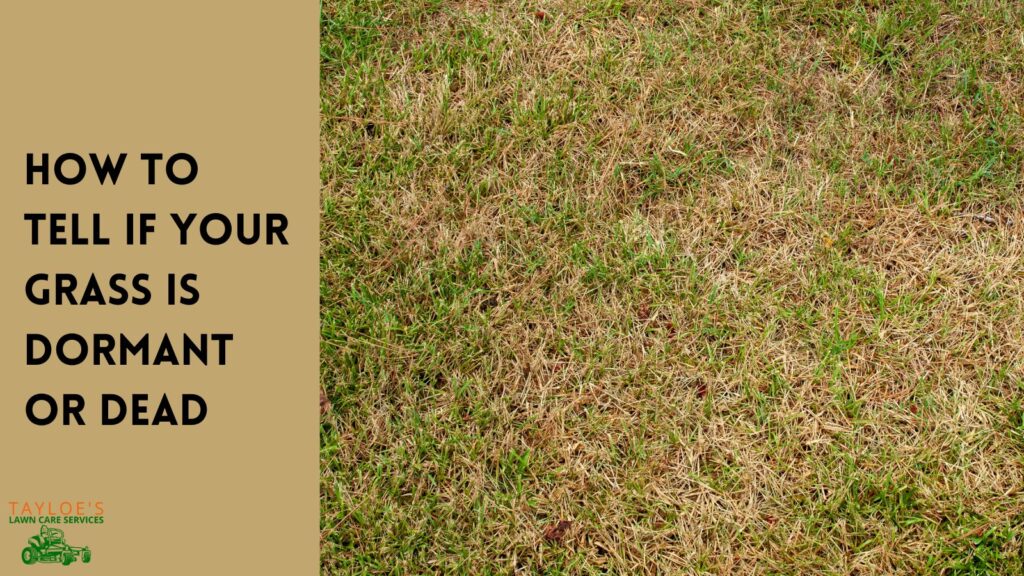
Yellowing or thinning grass is another common complaint and a normal part of winter lawn problems in Eastern NC—but it can also indicate deeper issues.
Cool-season lawns (fescue)
Fescue may:
- Turn yellow
- Look washed-out
- Thin in patches
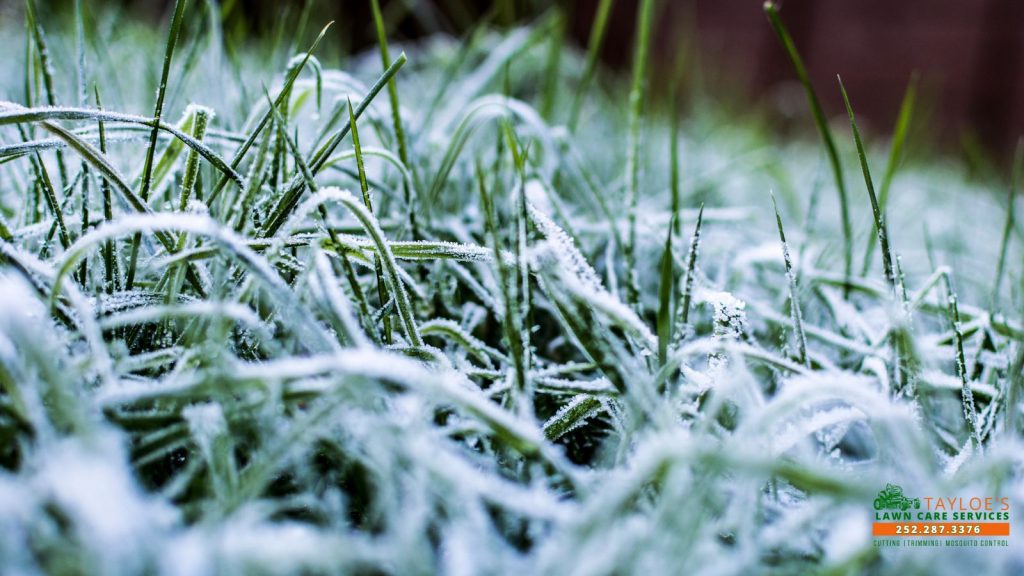
- Show frostbite
- Look dull after rainy weeks
Among the causes:
- Frost damage
- Nutrient deficiency
- Low pH
- Heavy shade
- Old age or heat stress from summer
- Fungus activity in mild winters
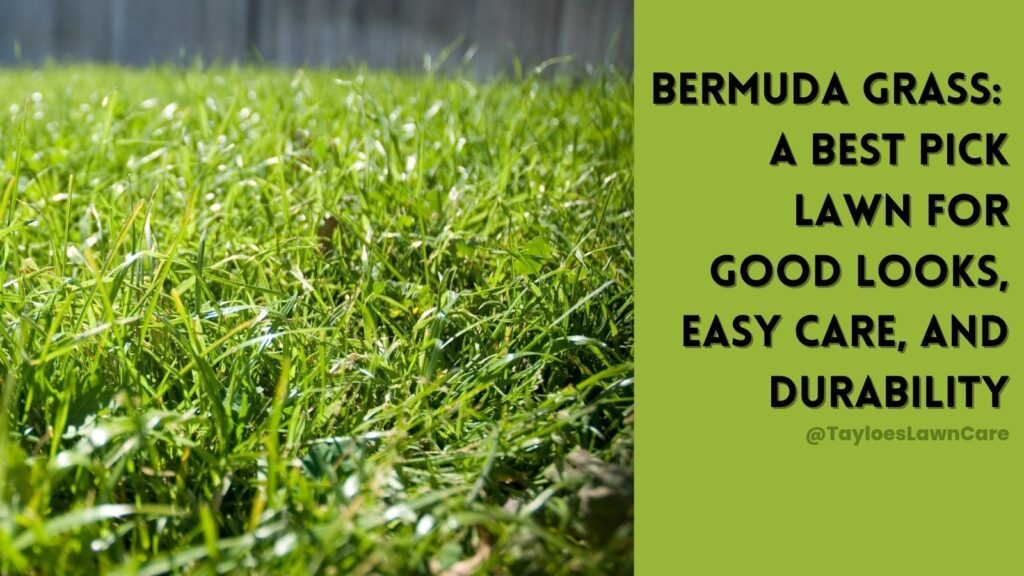
Warm-season lawns (Bermuda, zoysia, centipede)
These grasses normally go dormant, but our unstable winter temperatures cause:
- Patchy green/brown areas
- Early green-up during warm weeks
- Browning after late frost
- Uneven dormancy
This up-and-down cycle stresses the root system.
What to do if your lawn looks thin
Most discoloration is temporary, but you can support recovery:
- Test pH (many yellow lawns are too acidic).
- Improve drainage in soggy areas.
- Hold off on fertilizing until soil temps are consistently warm.
- Plan for spring overseeding (fescue) or topdressing (Bermuda).
- Check for pet traffic patterns or compaction.
Discoloration is an early warning sign that the lawn needs attention before spring—not after.
Winter Is the Ideal Time to Plan Repairs and Improvements
Even though lawn growth is slow during winter, it’s one of the best times to take the steps that shape the entire upcoming season.
Winter planning priorities
Use these months to map out:
- Soil corrections (lime, pH balancing)
- Drainage improvements
- Downspout redirection
- Mulch bed upgrades
- Spring aeration and overseeding
- Pre-emergent timing
- Shrub pruning
- Tree trimming
- Leveling or topsoil projects
Winter is the quiet season, but it’s the strategic season. The choices you make from December through February determine how well your lawn handles the stress of summer heat and humidity.
Related Reading

The Takeaway: Don’t Ignore Winter Lawn Problems in Eastern NC
Small winter issues grow into major spring problems.
- A small mud patch becomes a bare section.
- A thin area becomes a weed farm.
- A circle of moss becomes a full moss bed.
- A shaded patch becomes a permanent winter kill zone.
Addressing winter lawn problems early—before temperatures rise—strengthens grass roots, improves soil health, and ensures your yard wakes up thick, green, and ready for spring.
If you’d like help diagnosing winter issues, planning early-spring treatments, or building a custom annual plan for your yard, we are always here to help or put together an estimate – just call or text us: 252.287.3376.
Author Profile

- Randy Tayloe is the COO of Tayloe's Lawn Care Service, LLC. He is a certified custom applicator, recognized by the North Carolina Department of Agriculture Pesticide Division. A native of Bertie County, NC, and graduate of Bertie High School, he wants to beautify his home county - one yard at a time.
Latest entries
 Pest ControlSeptember 22, 2026How long do mosquitoes stay active in NC?
- Pest ControlSeptember 16, 2026Getting rid of armyworms
- Pest ControlSeptember 8, 2026Grub & beetle control in NC (what works vs. what doesn’t
- Lawn CareAugust 18, 2026Fall lawn prep starts in August in NC