Last Updated on: 2nd December 2025, 09:38 am

Here’s what you need to know for planning your warm-season grass lawn care needs.
“When will my warm-season grass wake up in spring?” is one of the most common questions homeowners in Bertie and Hertford counties ask each year. Our winters are unpredictable—warm one week, freezing the next. Of course,this temperature rollercoaster makes it difficult to know when Bermuda, zoysia, and centipede will finally green up. The answer depends on soil temperature, daylight, recent weather patterns, and the natural biology of warm-season grasses.
This guide breaks down exactly what triggers spring green-up in northeastern North Carolina, how you can tell when it’s happening, and what to expect from your lawn as winter transitions into the growing season.
Warm-Season Grasses Wake Up When Soil Temperatures Hit 65–70°F
Warm-season grasses don’t respond to air temperature first—they respond to soil temperature. For Bermuda, zoysia, and centipede, active growth typically begins once soil reaches:
- 65°F consistently at a 4-inch depth for Bermuda
- 70°F or warmer for zoysia
- 60–65°F for centipede
This usually happens between late April and early May in Bertie and Hertford counties.
Why so late? Because while air temperatures can hit the 70s in March, soil warms much more slowly. One cold snap can drop soil temps by 10 degrees overnight.
Here’s the science behind it:
The North Carolina Cooperative Extension notes that warm-season grasses naturally remain dormant until soil temperatures rise enough to trigger metabolic activity. Their article “Grasses Coming Out of Dormancy” confirms that warm-season lawns in NC typically lag behind warm spring days because their roots require sustained soil warmth before it can grow.
Why February and March Warm Spells Don’t Matter Much
Even if we get a week of 75-degree weather in late winter, your warm-season grass will not fully green up. Short warm spells:
- Warm the surface, not the root zone
- Trigger only light, temporary color changes
- Can actually stress grass if followed by frost
- Encourage weeds—but not turfgrass
Think of warm-season grass as being on “winter battery saver mode.” It will show hints of green here and there, but it will not resume active growth until the soil stays warm for at least a week or two.
Understanding the Different Wake-Up Patterns of Local Warm-Season Grasses
Each grass behaves slightly differently as spring approaches.
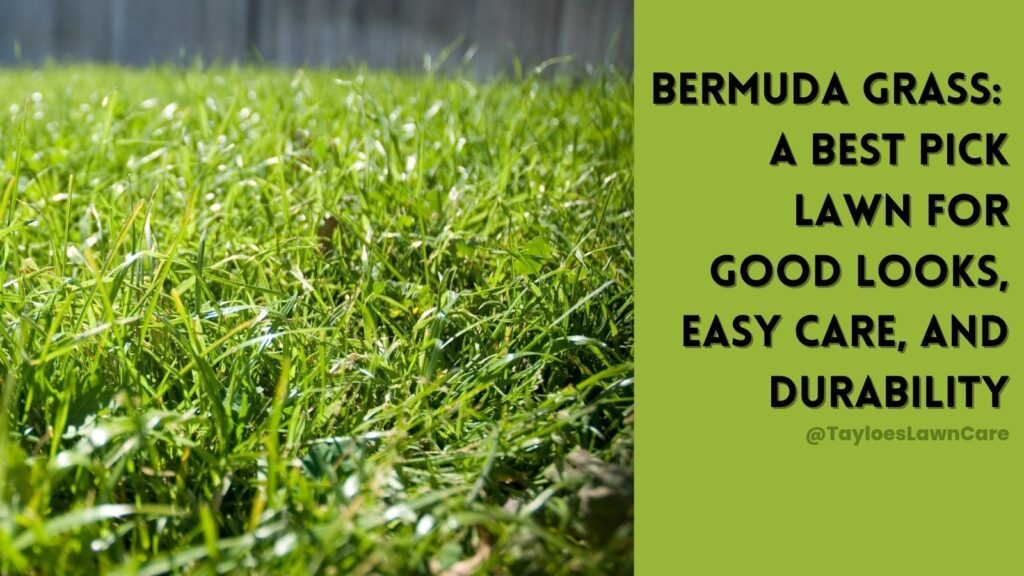
Bermuda Grass
- Fastest to wake up once soil hits 65°F
- Quick spring green-up with consistent warmth
- Highly sensitive to cold snaps (temporary re-browning is normal)
Bermuda lawns in Ahoskie, Windsor, and Aulander often green up by late April, but after a cold spring, it may be mid-May.
Zoysia Grass
- Slowest warm-season grass to wake up
- Needs more hours of daylight and warmer soil
- Often lags behind Bermuda by 2–3 weeks
Zoysia lawns in our region commonly stay golden-brown into mid-May, frustrating homeowners who assume something is wrong.
Centipede Grass
- Very temperature-sensitive
- Begins greening once soil reaches 60–65°F
- Can green up earlier than zoysia, occasionally as early as early April
Centipede prefers slow, steady warming—sharp shifts in weather can delay its green-up.
What a “Normal” Spring Green-Up Looks Like in Eastern NC
Because we don’t get long bursts of steady warmth, our green-up is gradual. You can expect:
Early March
- Mostly dormant brown turf
- Random patches of green near south-facing walls
- Winter weeds growing faster than everything else
Late March
- Grass looks the same… but roots are waking up
- Soil begins its slow rise into the 50s
- Some centipede lawns show early hints of color
April
- Bermuda greening in sunny areas
- Zoysia barely changing yet (totally normal)
- Centipede gaining color
- Rapid shifts: green one week, dull the next
Late April–Early May
- First true flush of green growth
- Roots are fully active
- Grass begins spreading and filling in thin areas
Mid–Late May
- Zoysia fully wakes up
- Bermuda growth accelerates
- Centipede shows consistent color
- Warm-season lawns become dense and uniform
That’s the timeline most professional lawn care companies use when planning treatments in our climate.
Factors That Delay Warm-Season Grass Spring Wake-up
Even if the calendar says it’s time for green-up, your lawn may lag due to:
1. Shade
Warm-season grasses need 6–8 hours of sun. Shaded lawns green up last.
2. Soil Compaction
Compacted soil warms slowly and restricts root function.
3. Low Soil pH
Warm-season grasses prefer a pH around 6.0–6.5.
If pH is too low, the lawn can’t use nutrients effectively.
4. Thick Thatch Layer
A heavy thatch layer insulates the soil, keeping it colder longer.
5. Early-Spring Fertilizer
Too much nitrogen before true green-up delays wake-up and encourages disease.
6. Spring Frost Events
A late freeze in March or early April can “reset the clock,” pushing green-up back 1–2 weeks.
7. Poor Drainage
Wet soil stays colder, delaying both root activity and color.
How to Encourage Faster Green-Up of Warm Season Grass in Spring
You cannot force warm-season grass to green up early—but you can create conditions that allow it to wake up as soon as nature allows.
1. Remove winter debris
Leaves, pine needles, and limbs shade the soil and slow warm-up. Need help with this heavy, cold work? We’ll be glad to help, just call or text 252.287.3376.
2. Fix compaction with spring aeration
Aeration improves:
- Oxygen movement
- Root activity
- Soil warming
- Water infiltration
3. Balance soil pH
Soil tests often show our local soils trend acidic. Lime applications in fall or winter allow spring nutrients to work properly.
4. Wait to fertilize
The best time to feed warm-season grass is late May until early June, once the lawn is fully awake.
Applying nitrogen too early causes:
- Disease
- Yellowing
- Weak root systems
5. Improve drainage
Lawns that stay cold and wet will always green up late.
6. Treat spring weeds early
Weeds steal light and warmth from turf, delaying green-up further.
7. Raise mowing height for the first few cuts
Slightly taller grass blades protect tender new growth and help the lawn ramp up energy.
Signs Your Warm-Season Grass Is Waking Up
Look for these early indicators:
- Soil temps reaching the mid-60s
- Green streaks forming in sunniest areas
- Runners (stolons) beginning new growth
- Grass feeling less brittle when walked on
- Thicker canopy density over 2–3 weeks
If you see these signs, your lawn is officially entering the growing season.
When to Worry About Delayed Green-Up
Most green-up delays are normal in Eastern NC. But there are situations where professional evaluation helps:
- Large dead patches remain brown into June
- Grass feels “spongy” from thatch
- Soil stays soggy for days after rain
- Signs of spring fungus (brown ring spots, circular thinning)
- Zoysia remains fully tan into late May with no green tips
Often these issues are fixable—but early intervention matters.

The Takeaway: When Will My Warm-Season Grass Wake Up in Spring
Understanding when will my warm-season grass wake up in spring helps set the right expectations and avoid unnecessary panic. In Bertie and Hertford counties, warm-season grasses green up gradually—typically between late April and mid-May, depending on soil temperature, daylight, and weather patterns. If your lawn seems slow, it’s usually normal… but small issues like pH imbalance, compaction, shade, or drainage can delay things.
If you’d like help evaluating your lawn or getting it ready for a strong spring green-up, I’d be happy to take a look. Call or text Tayloe’s Lawn Care Services at 252-287-3376 anytime.
Author Profile

- Randy Tayloe is the COO of Tayloe's Lawn Care Service, LLC. He is a certified custom applicator, recognized by the North Carolina Department of Agriculture Pesticide Division. A native of Bertie County, NC, and graduate of Bertie High School, he wants to beautify his home county - one yard at a time.
Latest entries
 Lawn CareFebruary 17, 2026When will my warm season grass wake up in spring?
- Lawn CareFebruary 10, 2026Pre-emergent timing in NC (don’t miss the weather window!)
- Lawn CareJanuary 27, 2026Winter Lawn Problems in Eastern NC: Moss, mud, and surprise weeds
- Flower GardenJanuary 20, 2026Winter garden bed tips for North Carolina