Last Updated on: 4th December 2025, 09:20 am
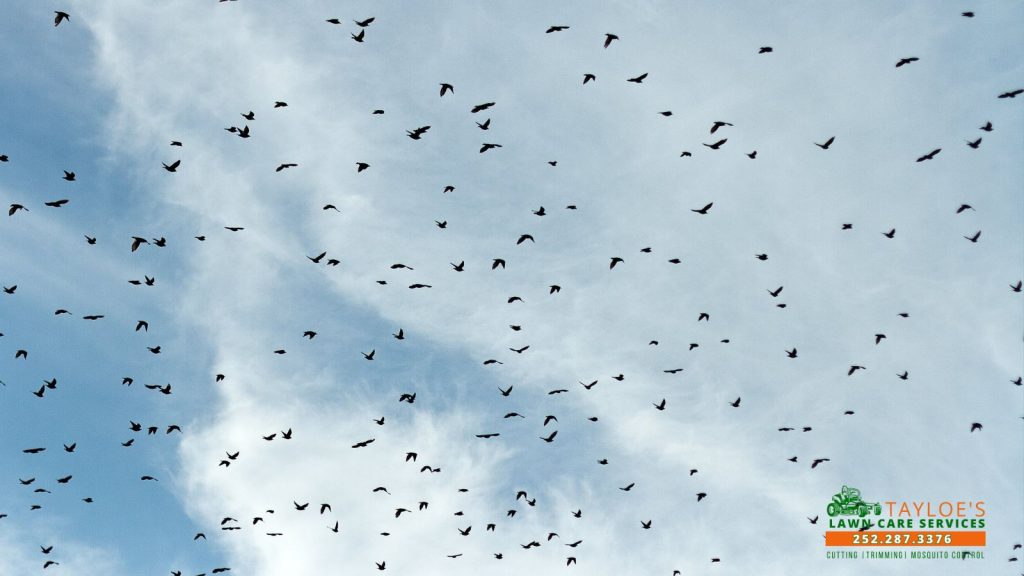
If you want to make a meaningful impact on wildlife, supporting migrating birds is one of the simplest and most rewarding things homeowners in Eastern North Carolina can do. Our region lies directly along the Atlantic Flyway, a major migration route used by millions of birds each spring and fall. These birds depend on backyards, parks, and small landscape pockets as critical stopping points to rest, refuel, and stay safe during long-distance travel. With a few intentional choices, your lawn and garden can become a life-saving oasis for them.
This guide explains how to create a landscape that attracts, protects, and nourishes migrating birds—without disrupting the appearance or function of your yard.
Why supporting migrating birds matters
Bird migration is physically demanding. Many species travel hundreds or thousands of miles, navigating unpredictable weather, predators, habitat loss, and limited food sources. During these journeys, birds urgently need places to hydrate, feed, cool down, and shelter—often within ordinary residential neighborhoods.
In Eastern NC, yards play an especially important role because:
- Soil warms early, drawing insects birds rely on
- We have long travel corridors of open rural land
- Storms and heat waves can exhaust migrating birds
- Habitat fragmentation makes reliable stopover sites essential
Even a small, well-planned yard can help dozens of species complete their migration safely.
Provide dependable water sources
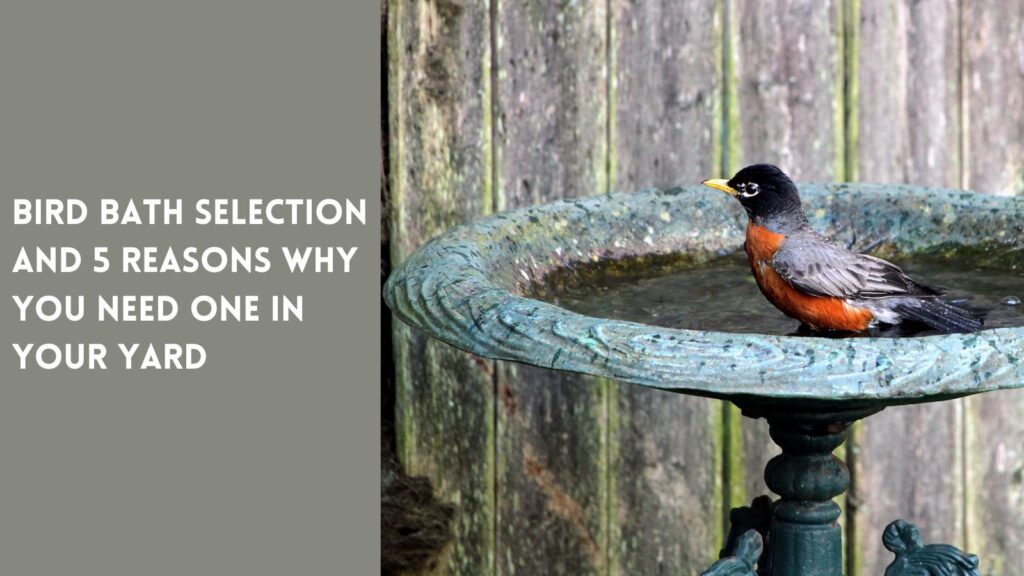
Water is the most important resource migrating birds need. Hydration helps them cool their bodies, maintain energy, and preen their feathers for the next flight.
Best ways to offer water
- Place a shallow birdbath in partial shade
- Use a large plant saucer filled with one to two inches of water
- Add a stone or brick for small birds to stand on
- Set a second water source at ground level for thrushes and robins
Maintenance tips
- Change water every one to two days
- Scrub the basin weekly
- Keep water shaded to prevent overheating
Reliable water instantly increases bird activity in your yard.
Add moving water to attract more species
Migrating birds are drawn to movement and sound. A gentle trickle, drip, or bubbling effect provides a more effective cooling and bathing opportunity than still water.
Options to consider
- Solar fountain insert
- Hanging drip attachment
- Mister nozzle
- Water wiggler
These features help birds cool down quickly—especially on hot, humid afternoons common in our region.
Create safe, shaded resting areas
Birds need cool, sheltered spaces to rest and escape predators. Shade is especially critical during spring and fall heat spikes.
Plants that offer ideal shelter for migrating birds
- Hollies
- Wax myrtle
- Arborvitae and juniper
- Azaleas
- Hydrangeas
- Bushy ornamental grasses
A layered landscape (trees, shrubs, perennials) creates microclimates birds use for cooling and protection.
Choose native plants that feed migrating birds
Native plants provide natural, nutrient-rich food sources at exactly the right seasonal time. They also supply insects—another essential food source for migratory species.
Excellent native plants for Eastern NC
- Viburnum
- Beautyberry
- Yaupon and American holly
- Red maple
- River birch
- Black-eyed Susan
- Goldenrod
- Asters
- Coreopsis
Native berries, seeds, and insects give migrating birds vital fuel to continue their journey.

Offer safe supplemental food
While natural food is ideal, feeders help birds conserve energy during travel.
Good feeder options
- Black oil sunflower seed feeders
- Nectar feeders for hummingbirds
- Suet feeders for woodpeckers and wrens (use no-melt in warm months)
Cleaning tips
- Clean feeders every one to two weeks
- Discard wet or moldy seed
- Keep feeders away from predator hiding spots
Providing food is especially helpful during sudden weather changes.
Make your yard safer for migrating birds
Many threats to migrating birds come from ordinary yard hazards. Reducing these risks significantly improves survival rates.
Helpful safety steps
- Keep cats indoors during migration seasons
- Apply window decals to reduce collisions
- Use warm-toned exterior lighting to prevent disorientation
- Avoid reflective surfaces near feeding areas
- Delay major pruning until winter
Safety improvements require minimal effort but offer major benefits.
Limit pesticide use in key feeding areas
Migrating birds rely heavily on insects, especially in spring when they need protein for long flights. Overusing pesticides eliminates essential food sources.
Instead of broad treatments, focus on:
- Spot treatments
- Targeted insect control
- Natural or low-impact solutions when possible
A balanced lawn and garden often supports insect life without attracting infestations.
Adjust lawn care to support wildlife
A well-maintained lawn can still serve as a useful habitat.
Ways the lawn helps:
- Thrushes and robins hunt insects in open turf
- Doves and sparrows forage for fallen seeds
- Flickers feed on ants and beetles at ground level
Simply avoid mowing too short or removing all leaf litter under shrubs—small changes create meaningful benefits.
When migration happens in Eastern NC
Migration seasons vary but generally follow predictable windows each year.
- Spring migration: March through May
- Fall migration: August through November
During these periods, even simple yard improvements can attract dozens of species.

Supporting migrating birds is easy and makes a real difference
Supporting migrating birds in Eastern North Carolina is as simple as offering clean water, safe shelter, native plants, and a few intentional feeding and maintenance habits. These small steps transform your yard into a valuable rest stop for birds traveling thousands of miles—and they give you more chances to enjoy the beauty of nature right outside your window.
Author Profile

- Deborah Tayloe is the CEO and co-founder of Tayloe's Lawn Care Services, LLC. She has a B.S.Ed and holds certificates in soil and water management and herbology from accredited programs.
Latest entries
 BirdsApril 7, 2026Supporting migrating birds as they fly through NC
- Flower GardenMarch 3, 2026Preparing flower beds for spring (perfect March project)
- Flower GardenFebruary 24, 2026How do I take care of blooming crocus flowers?
- Lawn CareFebruary 3, 2026Lawn care trends to expect in 2026